


Root Canal Treatment in Dubai: Signs You Need It
Recognizing the Signs That You Need Root Canal Treatment in Dubai
Your teeth are designed to last a lifetime, but infections and deep decay can threaten their health if left untreated. Many people ignore tooth pain until it becomes severe, increasing the risk of complications and even tooth loss. Choosing Root Canal Treatment in Dubai at the right time can eliminate infection, relieve pain, and preserve your natural tooth. Visiting a trusted dental clinic in dubai ensures you receive professional care using advanced dental technology and modern treatment methods. Early diagnosis not only improves the success of treatment but also helps you avoid more complex dental procedures in the future.
A root canal is often recommended when the soft tissue inside the tooth becomes infected or inflamed. Recognizing the warning signs early allows your dentist to save the tooth before permanent damage occurs.
What Is Root Canal Treatment?
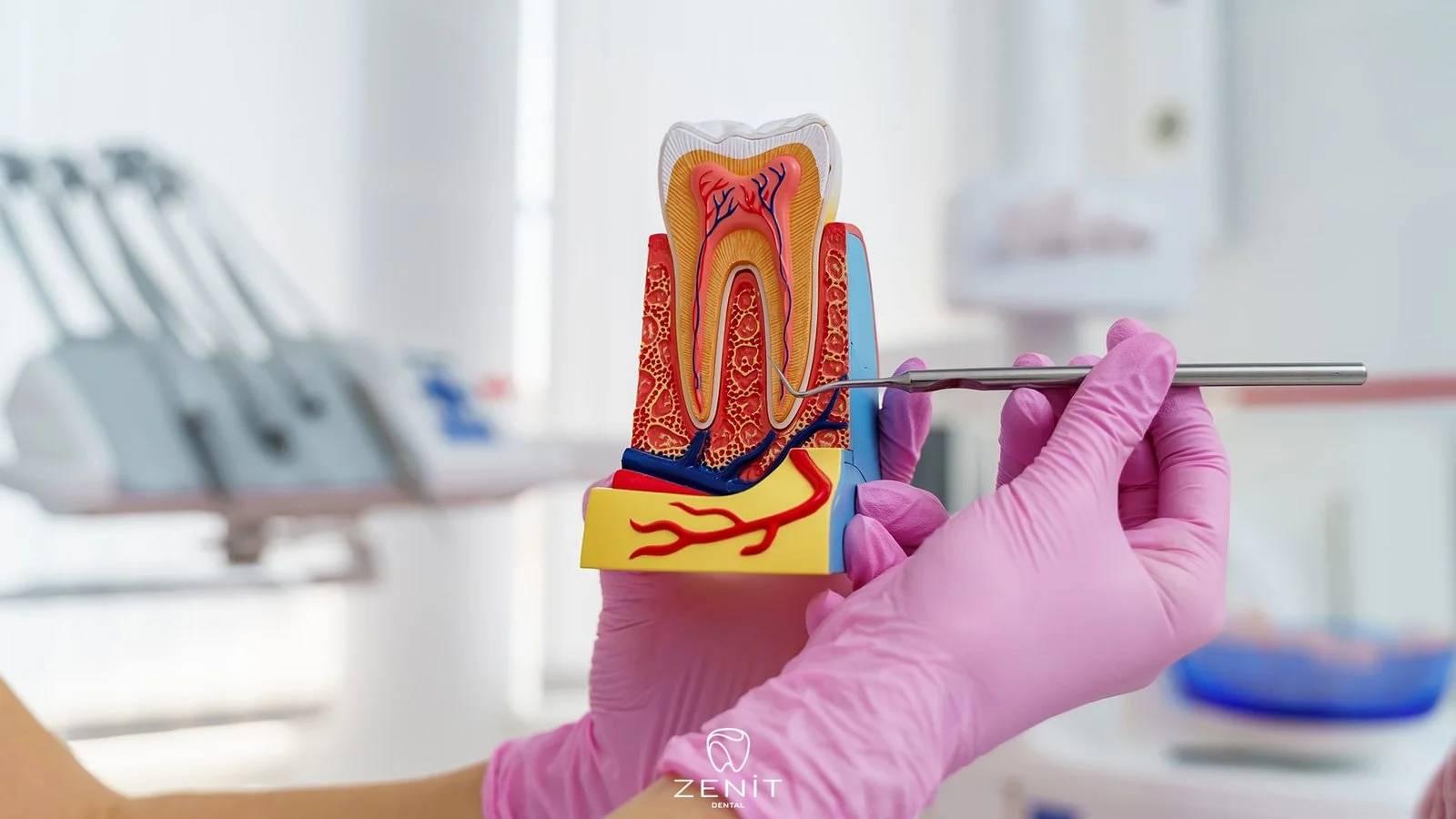
Root canal treatment is a restorative dental procedure that removes infected or damaged pulp from inside the tooth. The pulp contains nerves, blood vessels, and connective tissue that support the tooth during its early development. Once bacteria reach this area through decay, cracks, or trauma, infection begins to spread.
During treatment, the dentist carefully removes the infected pulp, cleans and disinfects the root canals, and seals them to prevent future bacterial growth. In most cases, a dental crown is placed afterward to restore the strength and appearance of the treated tooth.
This procedure allows patients to keep their natural teeth while eliminating infection and discomfort.
Persistent Tooth Pain Is a Warning Sign
One of the most common symptoms that indicates the need for Root Canal Treatment in Dubai is continuous tooth pain. The pain may occur while chewing, biting, or even when the tooth is at rest. Some patients experience sharp pain, while others notice a constant dull ache that becomes worse over time.
Persistent pain should never be ignored because it often indicates that the infection has reached the tooth's pulp. Seeking immediate dental care can prevent the infection from spreading to nearby tissues.
Long-Lasting Sensitivity to Hot and Cold
Many people experience brief sensitivity after consuming hot coffee or cold drinks, but sensitivity that lingers for several seconds or even minutes may indicate pulp damage.
If the discomfort continues after the source of heat or cold has been removed, it could be a sign that the nerve inside the tooth has become inflamed or infected. A dental examination can determine whether root canal treatment is necessary.
Swollen or Tender Gums
Inflamed gums around a specific tooth often signal an underlying infection. Swelling may appear gradually and sometimes becomes painful when touched. In certain cases, a small pimple-like bump known as a dental abscess develops on the gum, releasing pus and causing an unpleasant taste in the mouth.
These symptoms indicate that bacteria have spread beyond the tooth and require immediate professional treatment.
Ignoring gum swelling increases the risk of bone damage and more serious oral health complications.
Tooth Discoloration
An infected tooth may gradually become darker than the surrounding teeth. This discoloration occurs because the damaged pulp no longer supplies the tooth with healthy blood flow.
Although tooth discoloration can have several causes, internal infection is one of the most significant reasons. Your dentist can determine whether root canal treatment is needed to preserve the tooth before restoring its natural appearance.
Pain While Chewing
Pain that occurs when biting or chewing often indicates inflammation inside the tooth. As pressure is applied during eating, the infected pulp reacts by causing discomfort.
This symptom may also suggest damage to the surrounding tissues supporting the tooth. Early diagnosis allows your dentist to treat the infection before it worsens.
Patients who experience pain while eating should schedule a dental examination as soon as possible.
Common Causes of Tooth Infection
Deep cavities remain the leading cause of root canal therapy. As untreated decay progresses through the tooth, bacteria eventually reach the pulp and cause infection.
Cracked or fractured teeth also create openings that allow bacteria to enter the inner chamber. Dental injuries caused by accidents or sports activities may damage the pulp without producing visible fractures.
Repeated dental procedures on the same tooth and advanced gum disease can also increase the likelihood of infection.
Maintaining excellent oral hygiene and attending regular dental checkups significantly reduce these risks.
How Root Canal Treatment Is Performed
Treatment begins with a detailed examination supported by digital X-rays. Once the infection is confirmed, local anesthesia is administered to ensure patient comfort throughout the procedure.
The dentist creates a small opening in the tooth to access the infected pulp. Specialized instruments are used to remove damaged tissue, clean and shape the canals, and disinfect the inside of the tooth.
The canals are sealed with a durable filling material before the tooth is restored with a custom dental crown. This restoration strengthens the tooth and protects it from future fractures.
Recovery After Root Canal Therapy
Recovery is usually quick and uncomplicated. Most patients return to their normal daily routine within twenty-four hours.
Some mild tenderness may remain for a few days, especially if the infection was severe before treatment. Following your dentist's instructions, avoiding hard foods temporarily, and maintaining proper oral hygiene all contribute to successful healing.
Routine dental visits help monitor the restored tooth and ensure it remains healthy for years.
Preventing Future Root Canal Treatment
Although not every dental infection can be prevented, healthy habits greatly reduce the risk. Brushing twice a day with fluoride toothpaste, flossing daily, limiting sugary foods, and scheduling regular professional cleanings help protect your teeth from decay.
Wearing a mouthguard during sports and avoiding habits such as chewing ice or opening objects with your teeth also reduces the risk of dental injuries.
Preventive dental care remains the most effective way to maintain strong, healthy teeth throughout life.
Conclusion
Recognizing the early signs that indicate the need for Root Canal Treatment in Dubai can help you protect your natural teeth and avoid unnecessary complications. Persistent pain, prolonged sensitivity, swollen gums, discoloration, and discomfort while chewing should never be ignored. Modern root canal therapy is safe, comfortable, and highly effective at eliminating infection while preserving your smile. By seeking treatment early and maintaining regular dental care, you can enjoy long-lasting oral health and keep your natural teeth functioning properly for many years.

 Bangla