Maintaining good oral hygiene requires a combination of daily care and professional dental appointments. While routine cleaning is suitable for many patients, some individuals may require a more intensive procedure because of significant tartar buildup or gum concerns. A qualified dental clinic in Dubai can assess your oral health and determine which approach is appropriate. If you are researching Teeth Cleaning Dubai, understanding the difference between regular cleaning and deep cleaning can help you make a more informed decision about your dental care.
What Is Regular Teeth Cleaning?
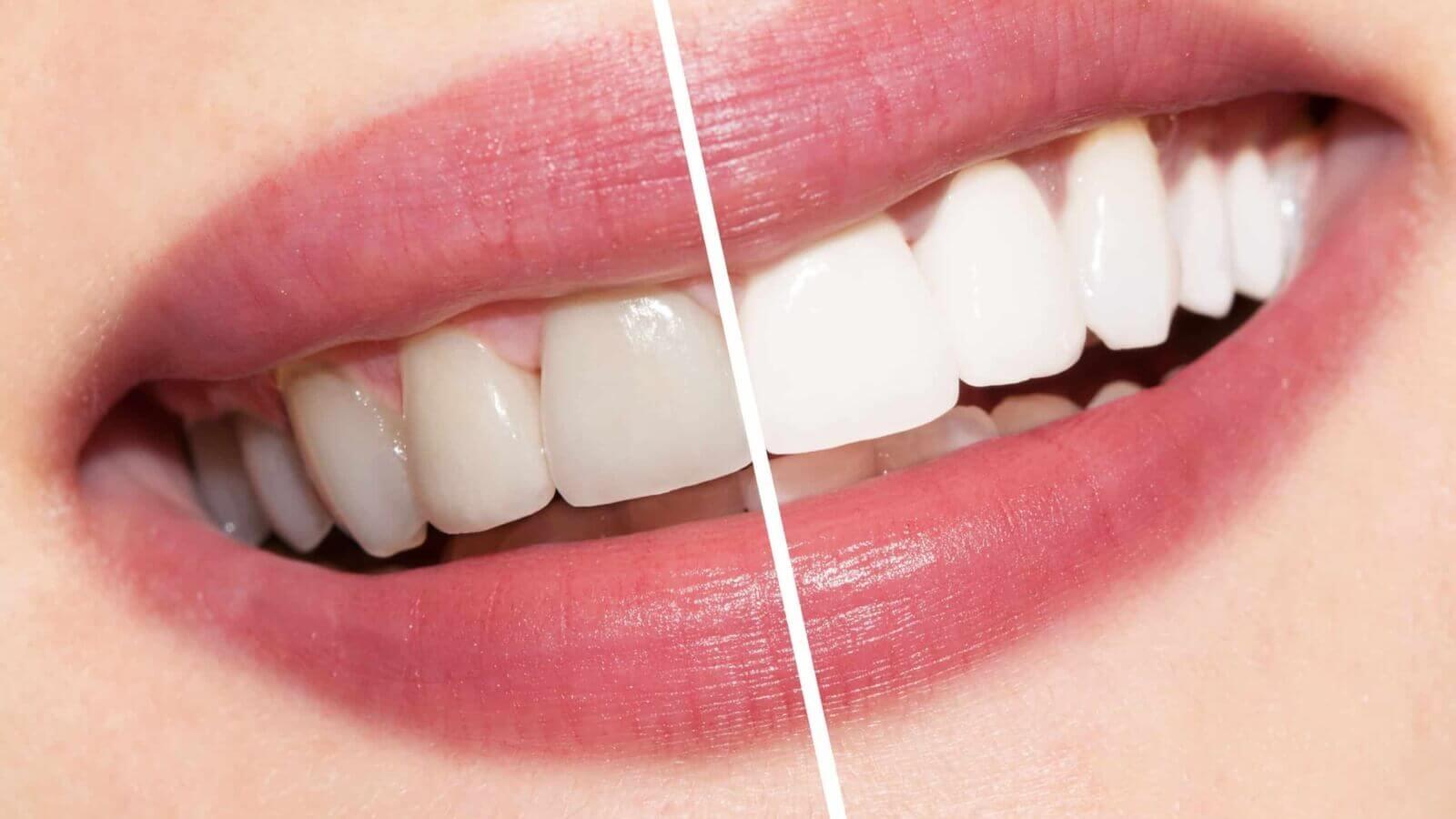
Regular professional teeth cleaning is a preventive procedure designed to remove plaque, tartar, and surface stains from the visible surfaces of the teeth and around the gumline.
The treatment generally includes scaling and polishing. During scaling, a dental professional removes hardened deposits from the teeth using specialized instruments. Polishing then helps smooth the tooth surfaces and reduce certain external stains.
Routine cleaning is commonly recommended for patients who have generally healthy teeth and gums and do not have significant gum disease.
What Is Deep Teeth Cleaning?
Deep cleaning is a more intensive dental procedure that may be recommended when there is significant tartar buildup below the gumline or signs of periodontal disease.
Unlike routine cleaning, deep cleaning focuses on areas beneath the gumline where bacteria and hardened deposits can accumulate. The procedure may involve scaling and root planing, which is designed to clean the tooth roots and smooth the root surfaces.
Deep cleaning is generally performed when a dentist identifies a specific need for more comprehensive treatment. It is not necessarily required for every dental patient.
Key Difference Between Regular and Deep Cleaning
The primary difference is the area and depth of cleaning. Regular cleaning generally focuses on removing plaque and tartar from the visible tooth surfaces and around the gumline.
Deep cleaning goes further by addressing deposits below the gumline and along the tooth roots. It is usually recommended when there are signs of gum disease or deeper bacterial buildup.
Your dentist can determine which procedure is suitable after examining your teeth and gums.
Who May Need Regular Teeth Cleaning?
Routine cleaning is commonly suitable for patients who maintain relatively healthy teeth and gums. People who have mild plaque or tartar accumulation may benefit from regular appointments to maintain their oral hygiene.
Many individuals schedule professional cleaning approximately every six months. However, the ideal frequency depends on individual needs.
Patients who develop tartar quickly or have difficulty maintaining effective oral hygiene may require appointments more frequently.
Who May Need Deep Cleaning?
Deep cleaning may be recommended for patients with signs of periodontal disease or substantial tartar accumulation below the gumline.
Symptoms that may require professional evaluation include persistent gum bleeding, swollen or tender gums, gum recession, persistent bad breath, or teeth that feel loose.
These symptoms do not automatically mean that deep cleaning is necessary. A dental examination is required to determine the cause and appropriate treatment.
What Happens During Regular Cleaning?
A routine cleaning usually begins with an examination of your teeth and gums. The dental professional identifies areas where plaque and tartar have accumulated.
Scaling is then performed to remove hardened deposits from the teeth. Once the teeth have been cleaned, polishing may be used to smooth the surfaces and reduce some external stains.
The dental professional may also provide guidance about brushing and cleaning between the teeth to help maintain the results.
What Happens During Deep Cleaning?
Deep cleaning typically involves cleaning below the gumline. The procedure may be divided into multiple appointments depending on the extent of the buildup and the condition of the gums.
Scaling removes plaque and tartar from the tooth surfaces and deeper areas, while root planing smooths the root surfaces to make it more difficult for bacteria and deposits to accumulate.
Depending on the patient's sensitivity and the extent of treatment, local anesthesia may sometimes be used to improve comfort.
Your dentist will explain the procedure and aftercare recommendations before beginning treatment.
Is Deep Cleaning More Painful?
Deep cleaning can cause more sensitivity than routine cleaning because it involves treating areas below the gumline. However, dental professionals can take measures to improve patient comfort.
If you are concerned about sensitivity or dental anxiety, discuss your concerns before treatment. Your dental team can explain what to expect and provide appropriate recommendations.
After deep cleaning, some patients may experience temporary sensitivity or mild gum tenderness. Following your dentist's aftercare instructions can help support recovery.
Benefits of Regular Teeth Cleaning
Routine professional cleaning helps manage plaque and tartar accumulation. It can support healthier gums, improve oral hygiene, and remove certain surface stains.
Regular appointments also provide an opportunity for your dentist to monitor your oral health. Early identification of potential concerns can help you seek appropriate treatment before problems become more complicated.
Routine cleaning is an important part of preventive dental care and should complement your daily brushing and interdental cleaning routine.
Benefits of Deep Cleaning
Deep cleaning is designed to address more advanced plaque and tartar accumulation associated with gum disease. By removing deposits from below the gumline, it can support the management of periodontal problems.
The procedure may also help reduce inflammation and create a cleaner environment around the teeth and gums.
However, deep cleaning should be performed based on professional recommendations. It is not a cosmetic procedure and is generally used for specific oral health needs.
Can Regular Cleaning Prevent the Need for Deep Cleaning?
Maintaining good oral hygiene and attending routine dental appointments may help reduce the risk of developing serious plaque and tartar buildup.
Brushing twice a day, cleaning between your teeth, and visiting your dentist regularly can support better gum health. However, some individuals may still develop gum problems because of genetics, lifestyle factors, medical conditions, or other circumstances.
Regular professional care can help your dental team monitor changes and recommend appropriate treatment when necessary.
How Often Should You Get Professional Cleaning?
The frequency of professional cleaning depends on your oral health. Many patients benefit from routine appointments twice a year, while others may need more frequent care.
If you have a history of gum disease or significant tartar buildup, your dentist may recommend a personalized schedule.
Following your dental professional's recommendations can help ensure that your cleaning routine matches your individual needs.
How Much Does Teeth Cleaning Cost in Dubai?
The cost of professional cleaning varies depending on the treatment type and the dental clinic. Routine scaling and polishing typically have a different cost from deep cleaning procedures.
The number of areas requiring treatment, the severity of tartar buildup, and any additional dental services may influence the final price.
Before treatment, ask your dental provider for a clear explanation of the expected cost and what the procedure includes.
How to Choose the Right Dental Clinic
When searching for professional dental care, choose a clinic with qualified dental professionals and appropriate hygiene standards. It is also useful to select a provider that clearly explains the difference between routine and advanced cleaning.
A professional dental team should examine your teeth and gums before recommending treatment. Avoid choosing a procedure based solely on price without understanding whether it is appropriate for your oral health.
Final Thoughts
Regular and deep cleaning serve different purposes. Routine cleaning is generally focused on preventive care and removing plaque, tartar, and surface stains, while deep cleaning is designed to address deposits below the gumline and specific gum health concerns.
If you are considering Teeth Cleaning Dubai, the best approach is to schedule an examination with a qualified dental professional. After assessing your teeth and gums, your dentist can recommend the appropriate treatment and cleaning schedule. Maintaining daily oral hygiene and attending regular dental appointments can also help support a healthier and cleaner smile.
Frequently Asked Questions
Is deep cleaning the same as regular teeth cleaning?
No. Regular cleaning generally removes plaque and tartar from visible tooth surfaces and around the gumline, while deep cleaning addresses deposits below the gumline and may include root planing.
Does everyone need deep cleaning?
No. Deep cleaning is generally recommended for patients with specific gum health concerns or significant buildup below the gumline. Your dentist can determine whether it is necessary.
How long does deep cleaning take?
The treatment time depends on the amount of buildup and the number of areas requiring care. Some patients may need more than one appointment.
**Can deep cleaning damage teeth?
When performed by a qualified dental professional, deep cleaning is a recognized treatment for managing certain gum health problems. Your dentist will assess your condition and explain the procedure before treatment.
How can I avoid needing deep cleaning?
Maintaining good daily oral hygiene, cleaning between your teeth, attending regular dental checkups, and receiving professional cleaning as recommended can help manage plaque and tartar buildup.




 Bangla