


How to Choose the Right Wax Coat for Children
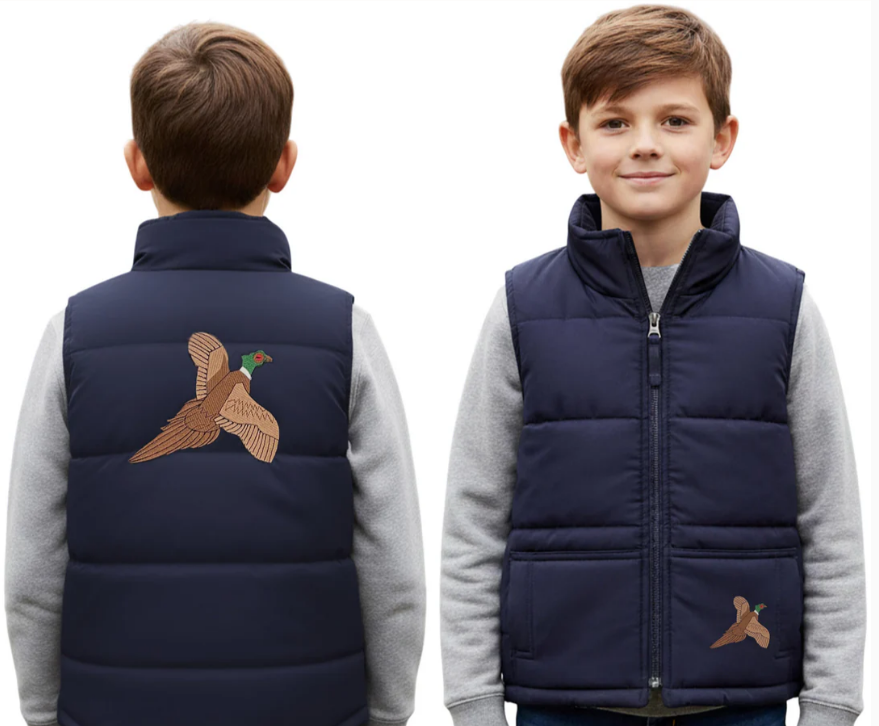
Choosing outerwear for children in the UK often means balancing practicality, comfort, and protection from unpredictable weather. A wax coat can be a sensible option because it offers weather resistance, durability, and a classic look that works for everyday wear, country walks, school runs, and weekends outdoors. If you are comparing styles, fabrics, and features, it helps to understand what makes a coat genuinely suitable for a child rather than simply appealing at first glance. For parents looking into options such as a kids wax jacket, the most important factors are fit, weight, lining, ease of movement, and how well the coat copes with rain, wind, and frequent use.
Children need coats that support active play as well as changing weather. A wax coat should feel comfortable enough for running, climbing, cycling, and carrying a school bag, while still keeping out damp conditions. The right choice can last several seasons if selected carefully and looked after properly. Understanding the details before buying makes it easier to choose a coat that performs well and suits your child’s routine.
Key points
- Choose a wax coat that offers weather protection without feeling heavy or restrictive.
- Check the fit carefully, allowing space for layers while avoiding excess bulk.
- Look for practical features such as a hood, secure fastenings, and useful pockets.
- Consider the lining, as it affects warmth, comfort, and year-round wear.
- Select a coat that suits your child’s daily activities and how often it will be worn.
- Proper care helps preserve the wax finish and extend the life of the coat.
What makes a wax coat suitable for children?
A wax coat is traditionally made from cotton that has been treated with wax to help repel water and resist wind. For children, the main advantage is reliable protection in changeable weather. Unlike some fully waterproof synthetics, wax coats often feel softer and more breathable, which can make them more comfortable for everyday use.
The best coats for children are not just about weather resistance. They should also be easy to wear. Young children, in particular, benefit from coats that they can fasten themselves, move around in easily, and remove without help. A child’s coat should support independence as much as protection.
Durability matters
Children’s clothing is tested daily by mud, playground activity, and frequent washing or wiping. Wax coats are often chosen because they are hard-wearing and can cope with rough use better than many lightweight jackets. Reinforced seams, sturdy zips, and quality press studs all help the coat last longer.
Comfort should come first
Even the most weather-resistant coat will be ignored if it feels stiff or uncomfortable. Look for a coat with enough flexibility in the shoulders and sleeves, especially if your child is active. A coat that is too rigid can make it harder to play freely or wear layers underneath.
How to get the fit right
Fit is one of the most important parts of choosing any child’s coat. Wax coats should have room for a jumper or fleece underneath, but they should not be so large that they look bulky or get in the way. A coat that is too big can let in cold air and reduce warmth, while one that is too tight limits movement and wears out faster.
Check sleeve length and body length
Sleeves should reach the wrists without covering the hands completely. If they are too short, wind and rain can get in. Body length should cover the torso well, especially if your child will be outdoors for longer periods. For younger children, a slightly longer cut can help keep the lower back dry when sitting or bending down.
Allow room for layers
Because the UK weather changes so often, layering is important. In autumn, your child may only need a shirt or jumper under the coat, while in winter they may need a fleece or knitwear. Try the coat on with a typical layer underneath so you can judge whether the fit remains comfortable.
Choosing the right lining and warmth
The lining affects how a wax coat feels and when it can be worn. Some coats have lightweight linings that work well in milder weather, while others use quilted or insulated linings for extra warmth. The best choice depends on your child’s routine and the seasons in which the coat will be used most.
Lightweight linings for flexible wear
A lighter lining is useful if your child will wear the coat from early autumn through spring. It gives more flexibility and makes the coat easier to layer. This can be especially useful for children who become warm quickly or who are active outdoors.
Warmer linings for colder months
If the coat is intended mainly for winter, a warmer lining may be more appropriate. Quilted lining or added insulation can make a noticeable difference on cold mornings and damp afternoons. However, a coat that is too warm can be uncomfortable indoors or in milder conditions, so consider how often the coat will be worn inside schools, cars, or shops.
Weather protection and practical features
Wax coats are valued for their ability to handle wet and windy weather, but details matter. A good coat should protect the child without making the garment awkward or difficult to use.
Hoods and collars
A hood can be very useful in heavy rain, especially if it has a structured shape that stays in place. Some children prefer a hood that is detachable, while others benefit from one that is always ready for sudden showers. A higher collar can also help block wind around the neck.
Fastenings that children can manage
Press studs, zips, and storm flaps all help keep out the weather, but they should still be easy enough for children to use. If your child is learning to dress independently, try to choose fastenings that are simple and reliable. A coat that is frustrating to close is less likely to be worn properly.
Pockets and everyday usefulness
Pockets may seem like a small detail, but children use them constantly for gloves, small toys, stones, or snacks. Deep, secure pockets are often more practical than decorative ones. For school or day trips, useful pocket placement can make the coat much more convenient.
Style, colour, and visibility
While function should come first, appearance still matters to children. A coat that they like the look of is more likely to be worn willingly. Traditional wax coats often come in earthy shades such as navy, olive, and brown, which are practical and hide dirt well. However, brighter trims or linings can make the coat more appealing to children and easier to spot in a crowd.
Visibility is worth thinking about, especially in darker months. Reflective details or lighter accents can improve safety on school runs or evening walks without changing the overall look of the coat too much.
Caring for a wax coat
One of the biggest advantages of a wax coat is that it can last a long time if cared for correctly. Unlike many machine-washable jackets, waxed garments need a different approach. Regular maintenance helps preserve the protective finish and keeps the coat looking and performing well.
Cleaning with care
Most wax coats should not be washed in a standard machine cycle because this can remove the wax finish. Instead, dirt is usually wiped away with a damp cloth and mild soap where needed. Always check the care label before cleaning, as different coats may have slightly different instructions.
Re-waxing when needed
Over time, the wax finish can wear away, particularly on areas that bend or rub frequently, such as elbows, cuffs, and seams. Re-waxing restores the coat’s water resistance. For a child’s coat that gets regular use, this may need to be done from time to time depending on wear and weather exposure.
When to replace a children’s wax coat
Even a well-made coat will eventually become too small or show signs of wear. Common signs that it may be time for a replacement include outgrown sleeves, tight shoulders, damaged fastenings, or thinning wax protection that no longer repels rain effectively. If your child has started to complain that the coat feels uncomfortable, it may no longer be serving its purpose properly.
Sometimes a coat can still be passed on to a younger sibling if it remains in good condition. This is one reason wax coats are often seen as a practical choice for families. Their durability can make them useful beyond a single season.
Conclusion
Choosing the right wax coat for children comes down to a careful balance of protection, comfort, fit, and everyday practicality. A good coat should handle typical British weather, support active play, and remain comfortable enough for regular wear. By paying attention to size, lining, fastenings, and care needs, you can choose a coat that works well through wet school mornings, countryside walks, and weekend outings. The best option is one that your child will actually enjoy wearing while also standing up to the demands of daily life.
Frequently asked questions
Are wax coats good for children in the UK?
Yes. Wax coats are well suited to the UK because they offer useful protection against rain and wind while remaining comfortable for everyday wear. They are especially practical in changeable weather.
Should I buy a wax coat one size bigger?
A little extra room is sensible so your child can wear layers underneath, but avoid buying a coat that is excessively large. Too much extra space can make the coat awkward and reduce warmth.
Can children wear wax coats in winter?
Yes, provided the coat has a suitable lining or is worn with warm layers underneath. For colder months, a quilted or insulated lining can improve comfort.
How do I clean a wax coat for a child?
Most wax coats should be wiped clean rather than machine washed. Use a damp cloth and mild soap if needed, and follow the care label instructions carefully.
How often does a wax coat need re-waxing?
This depends on use, weather, and how often the coat is worn. Areas that bend or rub more often may need attention sooner. Re-waxing is usually done when the coat no longer repels water as effectively.
What features are most useful in a children’s wax coat?
Useful features include a well-fitting hood, secure fastenings, comfortable lining, deep pockets, and enough room for layering. These details make the coat more practical and easier for a child to wear regularly.

 Bangla