


Digital Printing on Fabric: Process, Benefits and Uses
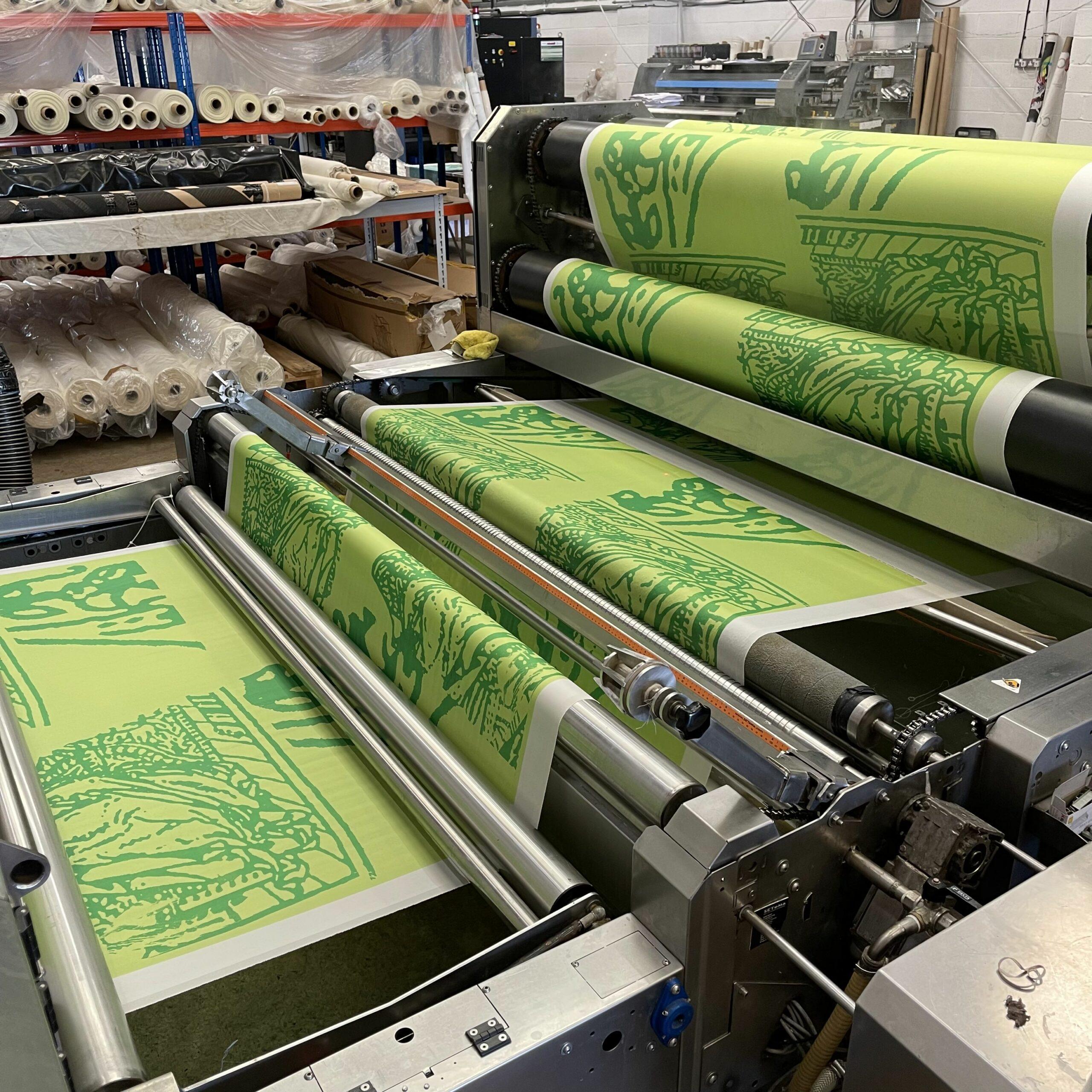
Digital printing on fabric has transformed the way textiles are designed and manufactured. From custom fashion collections to home furnishings and promotional products, this printing method allows businesses and designers to produce detailed, colorful designs directly onto fabric with remarkable precision. Unlike traditional textile printing techniques that rely on screens or plates, digital printing uses computer-controlled printers to transfer artwork directly onto the material.
As consumer demand for personalized products continues to grow, Digital printing on fabric has become an increasingly popular solution for both small businesses and large manufacturers. It offers excellent print quality, shorter production times, and greater design flexibility. Whether creating a single custom item or a limited production run, digital printing provides an efficient way to produce high-quality textiles while reducing unnecessary setup costs.
What Is Digital Printing on Fabric?
Digital printing on fabric is a textile printing process that uses specialized inkjet printers to apply digital artwork directly onto fabric. The design is created using graphic design software and sent to the printer without the need for physical printing screens.
Modern digital textile printers deposit tiny droplets of ink with exceptional accuracy. This allows them to reproduce intricate patterns, smooth color gradients, photographs, and complex illustrations that would be difficult to achieve using many traditional printing methods.
Depending on the type of fabric and ink, the printed material may undergo heat treatment or steam fixation to permanently bond the ink with the fibers.
How Digital Printing on Fabric Works
Understanding the production process helps explain why digital textile printing has become widely adopted across many industries.
Artwork Preparation
The process begins with creating or editing a digital design. High-resolution artwork ensures crisp details and accurate color reproduction during printing.
Fabric Selection
Choosing the appropriate fabric is essential. Cotton, polyester, silk, linen, rayon, and blended materials all have different printing requirements.
Fabric Pretreatment
Some fabrics require pretreatment before printing. This improves ink absorption, increases color vibrancy, and enhances wash durability.
Printing Process
The prepared fabric passes through a digital textile printer that applies textile inks directly onto the surface according to the digital file.
Heat Fixing and Finishing
After printing, the fabric is cured using heat or steam, depending on the ink system. It is then washed and finished to remove excess chemicals and improve the final appearance.
Types of Digital Fabric Printing
Different digital printing technologies are designed for different fabrics and applications.
Direct to Fabric Printing
This method prints directly onto fabric and is commonly used for natural fibers such as cotton, silk, and linen. It produces soft, detailed prints suitable for apparel and home textiles.
Dye Sublimation Printing
Dye sublimation is primarily used on polyester fabrics. The design is first printed onto transfer paper and then transferred to the fabric using heat and pressure.
The ink becomes part of the fabric fibers, resulting in bright colors, excellent durability, and a smooth finish.
Direct to Garment Printing
Direct to Garment printing is designed for finished garments such as T-shirts, hoodies, and sweatshirts. It is especially popular among custom apparel businesses because it supports short production runs and personalized designs.
Fabrics Suitable for Digital Printing
Digital textile printing works well with many fabrics, including:
-
Cotton
-
Polyester
-
Silk
-
Linen
-
Rayon
-
Canvas
-
Bamboo fabric
-
Cotton blends
-
Polyester blends
Selecting the correct ink and printer for each fabric type helps ensure consistent quality and long-lasting results.
Benefits of Digital Printing on Fabric
Digital textile printing offers numerous advantages that make it attractive for businesses and designers.
Outstanding Print Quality
Digital printers produce sharp images, fine details, and smooth color transitions. Even complex photographic designs can be reproduced with impressive accuracy.
Unlimited Design Flexibility
Since there are no printing screens, changing artwork is simple. Each printed item can feature a completely different design without additional setup.
Faster Turnaround
Minimal preparation allows production to begin quickly after the design is finalized, making digital printing ideal for urgent projects.
Cost Effective for Small Orders
Because there are no screen preparation costs, digital printing is often the most economical choice for short production runs and custom products.
Efficient Use of Materials
Digital printers apply ink only where needed, helping reduce excess ink usage and minimizing production waste.
Easy Product Personalization
Names, photographs, logos, and unique artwork can be incorporated into every item, making customization practical for businesses of all sizes.
Common Applications
Digital printing has become an important part of several industries.
Fashion and Apparel
Designers use digital printing to create dresses, shirts, scarves, jackets, and limited-edition collections featuring vibrant graphics and detailed artwork.
Home Décor
Curtains, cushion covers, bedding, upholstery, and table linens often feature digitally printed patterns that complement modern interior design.
Sportswear
Sports uniforms and athletic clothing benefit from lightweight, colorful prints that remain comfortable during use.
Promotional Products
Businesses frequently print logos and marketing graphics on textile bags, banners, flags, and exhibition materials.
Interior Decoration
Hotels, restaurants, offices, and commercial spaces use digitally printed fabrics for wall coverings, decorative panels, and custom furnishings.
Practical Benefits and Key Insights
Digital printing supports faster product development by allowing designers to move from concept to production within a short time. This speed helps businesses respond quickly to changing customer preferences and seasonal trends.
Another important benefit is print-on-demand production. Instead of maintaining large inventories, businesses can manufacture products only after receiving customer orders. This approach reduces storage costs and minimizes unsold inventory.
Digital printing also encourages creativity. Designers can experiment with intricate illustrations, watercolor effects, realistic photography, and complex color combinations without the technical limitations associated with many conventional printing methods.
For startups and small businesses, digital textile printing provides an opportunity to enter the market without investing in large production volumes. Short runs become financially practical while maintaining professional-quality results.
Common Challenges and Considerations
Despite its many advantages, digital textile printing also has some limitations.
Equipment Costs
Professional digital textile printers and finishing equipment require a substantial investment.
Fabric Compatibility
Different fabrics require specific ink formulations and pretreatment methods to achieve the best results.
Color Management
Accurate color reproduction depends on calibrated equipment, quality software, and consistent production processes.
Maintenance Requirements
Regular cleaning and maintenance are necessary to keep print heads functioning properly and maintain print quality.
Large Production Runs
For very high-volume orders with simple artwork, traditional screen printing may still offer lower production costs per unit.
Frequently Asked Questions
1. What is Digital printing on fabric?
Digital printing on fabric is a process that transfers digital artwork directly onto textiles using specialized inkjet printers instead of traditional printing screens.
2. Which fabrics are suitable for digital printing?
Cotton, polyester, silk, linen, rayon, canvas, and blended fabrics are commonly used for digital textile printing.
3. Is digital fabric printing durable?
Yes. When proper inks and finishing techniques are used, digitally printed fabrics can maintain their appearance through repeated washing and everyday use.
4. Is digital printing environmentally friendly?
Digital printing can reduce waste by applying ink precisely where needed and eliminating several materials required in conventional printing methods.
5. Is digital printing suitable for custom orders?
Yes. It is one of the best options for personalized clothing, promotional products, and small production runs because designs can be changed quickly without additional setup.
Conclusion
Digital printing on fabric has reshaped modern textile production by offering an efficient, flexible, and high-quality alternative to conventional printing methods. Its ability to reproduce intricate designs, support customization, and shorten production timelines has made it a valuable solution across industries ranging from fashion to interior design.
As digital textile technology continues to advance, businesses of every size can benefit from improved productivity, expanded creative possibilities, and greater responsiveness to customer demand. Understanding how digital printing works and where it excels enables manufacturers, designers, and entrepreneurs to make informed decisions and create textile products that combine visual appeal with reliable performance.

 Bangla