


Prostatectomy Surgery: Benefits, Risks, and Recovery Timeline
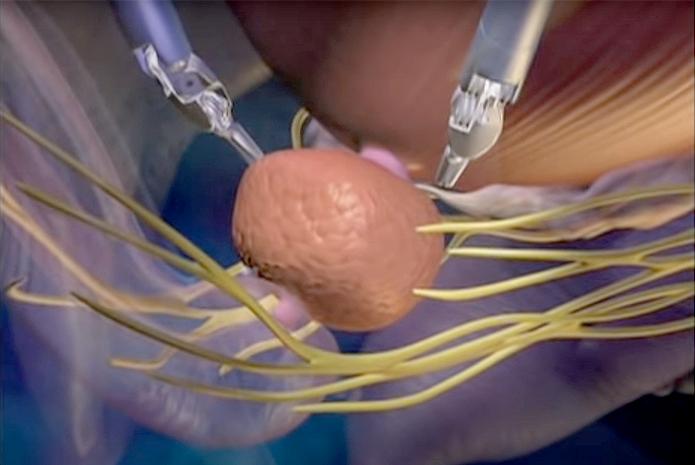
Prostate problems can significantly affect a man’s quality of life, especially when conditions such as prostate cancer or severe enlargement require medical intervention. Prostatectomy surgery is an advanced treatment option that involves removing part or all of the prostate gland. Understanding its benefits, risks, procedure, and recovery timeline helps patients make informed healthcare decisions.
What Is Prostatectomy Surgery?
Prostatectomy is a surgical procedure that involves removing the prostate gland or a portion of it to treat specific prostate-related conditions. The prostate is a small gland located below the bladder that plays an important role in producing fluid that supports sperm.
The most common reason for performing a prostatectomy is the treatment of prostate cancer. However, some types of prostatectomy may also be performed for severe benign prostatic hyperplasia (BPH), a condition where the prostate becomes enlarged and causes urinary problems.
Depending on the patient’s condition, doctors may recommend different types of prostatectomy, including:
- Radical Prostatectomy: Complete removal of the prostate gland along with surrounding tissues, usually performed for prostate cancer.
- Simple Prostatectomy: Removal of only the enlarged portion of the prostate, commonly used for severe BPH.
- Minimally Invasive Prostatectomy: Surgery performed using laparoscopic or robotic-assisted techniques that involve smaller incisions.
The choice of procedure depends on factors such as prostate size, cancer stage, overall health, and treatment goals.
Why Is Prostatectomy Recommended?
A prostatectomy is not required for every prostate condition. Doctors usually recommend this surgery when other treatments may not provide effective results or when removing the prostate offers the best chance of improving health outcomes.
Common reasons for prostatectomy include:
- Localized prostate cancer that has not spread outside the prostate
- Severe urinary symptoms caused by an enlarged prostate
- Blockage of urine flow due to prostate enlargement
- Recurrent urinary infections linked to prostate problems
- Bladder damage caused by long-term urinary obstruction
For prostate cancer patients, radical prostatectomy may help remove cancer completely when the disease is detected at an early stage.
Types of Prostatectomy Surgery
Different surgical approaches are available depending on the patient’s needs and the surgeon’s recommendation.
Open Prostatectomy
Traditional open prostatectomy involves making a larger incision to access and remove the prostate. Although less commonly used today, it may still be recommended in certain complex cases.
Laparoscopic Prostatectomy
Laparoscopic surgery uses several small incisions and specialized instruments. A camera helps the surgeon view the surgical area, allowing precise removal with less tissue damage.
Robotic-Assisted Prostatectomy
Robotic prostatectomy is an advanced minimally invasive technique where the surgeon controls robotic instruments to perform highly precise movements. This approach often results in smaller scars, reduced blood loss, and faster recovery compared with traditional surgery.
Benefits of Prostatectomy Surgery
Prostatectomy can provide significant health benefits for suitable patients, especially those dealing with serious prostate conditions.
Effective Treatment for Prostate Cancer
For men with localized prostate cancer, radical prostatectomy can remove cancerous tissue and may provide long-term disease control. Regular follow-up monitoring helps evaluate treatment success.
Improved Urinary Function
Patients with severe prostate enlargement may experience improved urine flow and reduced symptoms after prostate surgery. Removing the obstructing prostate tissue can make urination easier.
Reduced Risk of Disease Progression
In prostate cancer cases, removing the prostate can prevent cancer from growing or spreading further, particularly when treated at an early stage.
Better Quality of Life
Prostate problems can cause frequent urination, discomfort, and anxiety. Successful surgery can reduce symptoms and help patients return to normal daily activities.
Risks and Possible Complications of Prostatectomy
Like any major surgery, prostatectomy carries certain risks. Understanding possible complications helps patients prepare and discuss concerns with their healthcare provider.
Potential risks include:
Urinary Incontinence
Some patients may experience difficulty controlling urine after surgery. In many cases, bladder control gradually improves during recovery with pelvic floor exercises and time.
Erectile Dysfunction
Because nerves responsible for erections are located near the prostate, surgery may affect sexual function. Nerve-sparing techniques can help reduce this risk in suitable patients.
Bleeding and Infection
Although uncommon, bleeding or infection can occur after surgery. Doctors take preventive measures, including careful surgical techniques and medications when needed.
Blood Clots
As with other surgeries, there is a small risk of developing blood clots. Early movement after surgery and medical guidance help reduce this possibility.
Changes in Sexual Function
After prostate removal, men may experience changes in ejaculation and fertility because the prostate contributes to semen production.
Recovery Timeline After Prostatectomy Surgery
Recovery after prostatectomy varies from person to person depending on the surgical technique, overall health, and individual healing process.
First Few Days After Surgery
Most patients stay in the hospital for one to three days after prostatectomy. Pain management, wound monitoring, and urine drainage through a catheter are common parts of early recovery.
First Two Weeks
During this period, patients may experience tiredness, mild discomfort, and urinary changes. The catheter is usually removed after several days to two weeks, depending on recovery progress.
One Month After Surgery
Many patients gradually return to light daily activities. Heavy lifting and strenuous exercise should generally be avoided until approved by the doctor.
Three to Six Months After Surgery
Urinary control and sexual function may continue improving during this period. Some patients require additional support, including pelvic floor therapy or medications.
Long-Term Recovery
Most patients continue improving over six months to one year. Regular follow-up appointments are important to monitor prostate health and recovery progress.
Tips for Faster Recovery After Prostatectomy
Following proper care instructions can support healing and reduce complications.
Helpful recovery tips include:
- Perform pelvic floor exercises as recommended
- Maintain a healthy diet and adequate hydration
- Avoid heavy lifting during the recovery period
- Attend regular follow-up appointments
- Take prescribed medications properly
- Communicate any unusual symptoms with your doctor
Emotional support is also important, as changes in urinary or sexual function may affect confidence and mental well-being.
Prostatectomy vs Other Prostate Treatments
Prostatectomy is one of several treatment options available for prostate conditions. Other approaches may include medication, radiation therapy, laser procedures, or active surveillance depending on the diagnosis.
For prostate cancer, treatment decisions depend on cancer stage, age, overall health, and personal preferences. For BPH, less invasive procedures may be suitable for patients with moderate symptoms.
A urologist evaluates each case carefully before recommending surgery.
Who Should Consider Prostatectomy Surgery?
Men diagnosed with localized prostate cancer or those experiencing severe prostate enlargement symptoms may benefit from prostatectomy. However, surgery is not suitable for everyone.
A urologist considers several factors, including:
- Patient’s age and overall health
- Severity of symptoms
- Prostate condition
- Cancer stage, if applicable
- Expected benefits and possible risks
A detailed consultation helps determine whether prostatectomy is the right treatment option.
Book Online Appointment With Best Urologist Via InstaCare
If you are experiencing prostate-related symptoms or have been advised to consider prostatectomy surgery, consulting an experienced specialist can help you understand your treatment options. You can book an online appointment with the best urologist via InstaCare to discuss your condition, diagnosis, and personalized treatment plan conveniently.
Conclusion
Prostatectomy surgery is an effective treatment option for many men dealing with prostate cancer or severe prostate problems. While the procedure offers significant benefits, understanding potential risks and recovery expectations is essential before making a decision.
With advancements in minimally invasive and robotic-assisted techniques, prostate surgery has become safer and more effective. Proper medical guidance, regular follow-ups, and healthy lifestyle choices can support successful recovery and long-term prostate health.
Frequently Asked Questions (FAQs)
1. How long does prostatectomy surgery take?
The duration of prostatectomy depends on the type of procedure and the complexity of the case. Most surgeries typically take between two and four hours.
2. Is prostatectomy a permanent treatment for prostate cancer?
For many men with localized prostate cancer, radical prostatectomy can successfully remove cancer from the prostate. However, regular monitoring is needed after surgery.
3. How long does it take to recover from prostatectomy?
Most patients recover within several weeks, but complete improvement in urinary control and sexual function may take several months.
4. Can prostatectomy cause erectile dysfunction?
Yes, prostatectomy can affect erectile function, but nerve-sparing techniques and rehabilitation treatments may help improve recovery.
5. What should I avoid after prostatectomy surgery?
Patients should avoid heavy lifting, strenuous exercise, and activities that put pressure on the surgical area until their doctor confirms it is safe.

 Bangla