


Why Malaysia Is Emerging as a Logistics Hub
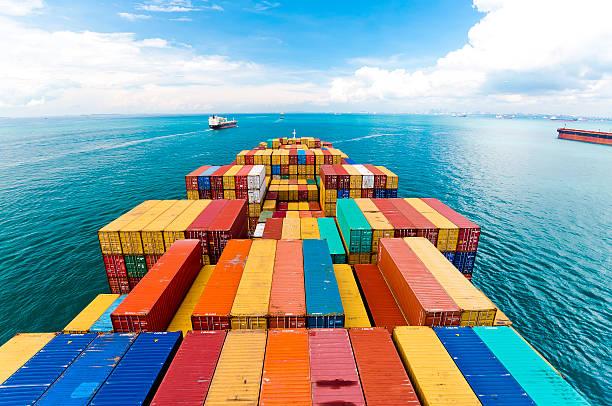
Malaysia has become one of Southeast Asia’s most strategically positioned logistics destinations, connecting regional and international trade routes through its extensive transportation infrastructure. Its well-developed ports, road networks, airports, and rail connectivity enable businesses to move goods efficiently across domestic and international markets. As supply chains continue to evolve, logistics providers in Malaysia are focusing on improving speed, reliability, and operational efficiency to meet changing customer expectations.
The increasing adoption of digital technologies, along with growing cross-border trade, is encouraging businesses to modernize their logistics operations. Businesses looking for deeper insights into Malaysia's supply chain landscape are also exploring how digital transformation, infrastructure investments, and changing trade dynamics are shaping future logistics strategies across the country.
E-commerce expansion has also transformed logistics operations in Malaysia. Consumers now expect faster deliveries, real-time shipment tracking, and flexible fulfillment options. These expectations have encouraged logistics companies to strengthen warehouse capabilities, optimize delivery routes, and integrate digital platforms that improve inventory visibility and customer experience across multiple distribution channels.
Strategic Location Supports Regional Trade
Malaysia's geographic position offers direct access to some of the world's busiest shipping routes. Its proximity to major ASEAN economies enables businesses to efficiently serve both regional and global markets. The country's ports and multimodal transportation infrastructure continue to support import-export activities, making Malaysia an important gateway for manufacturers, retailers, and international logistics providers.
Technology Is Reshaping Logistics Operations
Digital transformation is becoming a defining feature of the logistics sector. Companies are increasingly adopting warehouse automation, artificial intelligence, cloud-based transportation management systems, Internet of Things (IoT) devices, and predictive analytics to improve operational visibility. These technologies help reduce delays, optimize fleet utilization, and enhance inventory management while supporting faster business decision-making. According to the World Bank, efficient logistics performance remains a key factor in improving trade competitiveness and supply chain resilience.
The Growing Importance of Sustainable Logistics
Environmental sustainability is becoming an important priority across the logistics ecosystem. Businesses are investing in fuel-efficient transportation, electric delivery vehicles, optimized route planning, recyclable packaging, and energy-efficient warehouses. Sustainable logistics practices not only help organizations reduce environmental impact but also improve operational efficiency and align with evolving customer and regulatory expectations.
Warehousing Continues to Evolve
Warehousing is no longer limited to product storage. Modern distribution centers now function as integrated fulfillment hubs that support inventory management, order processing, packaging, and last-mile delivery. Automation technologies, robotics, and intelligent warehouse management systems are helping businesses improve order accuracy while reducing operational costs and delivery times.
Cross-Border Logistics Opportunities
Malaysia continues to benefit from its strong trade relationships within Southeast Asia and beyond. Growing regional manufacturing activities, expanding e-commerce networks, and increasing international trade encourage logistics providers to strengthen cross-border transportation capabilities. Improved customs processes, digital documentation, and multimodal transport solutions are making international freight movement more efficient for businesses operating across multiple markets.
Challenges Facing the Logistics Sector
Despite significant opportunities, logistics providers continue to face several operational challenges. Rising transportation costs, labor shortages, supply chain disruptions, fluctuating fuel prices, and increasing customer expectations require companies to become more agile. Organizations are responding by investing in workforce training, automation technologies, data-driven planning, and stronger risk management strategies to improve resilience during periods of uncertainty.
Future Outlook
The future of Malaysia's logistics sector will likely be shaped by continued digitalization, infrastructure modernization, sustainable transportation initiatives, and stronger regional trade integration. Businesses that prioritize innovation, operational efficiency, and customer-centric logistics solutions will be better positioned to adapt to changing supply chain requirements while supporting long-term economic development. Industry observers also note that continued investments in smart logistics technologies and supply chain connectivity will remain central to improving competitiveness across the region.

 Bangla