


IoT Cold Chain Monitoring Emerging as Fastest-Growing Segment
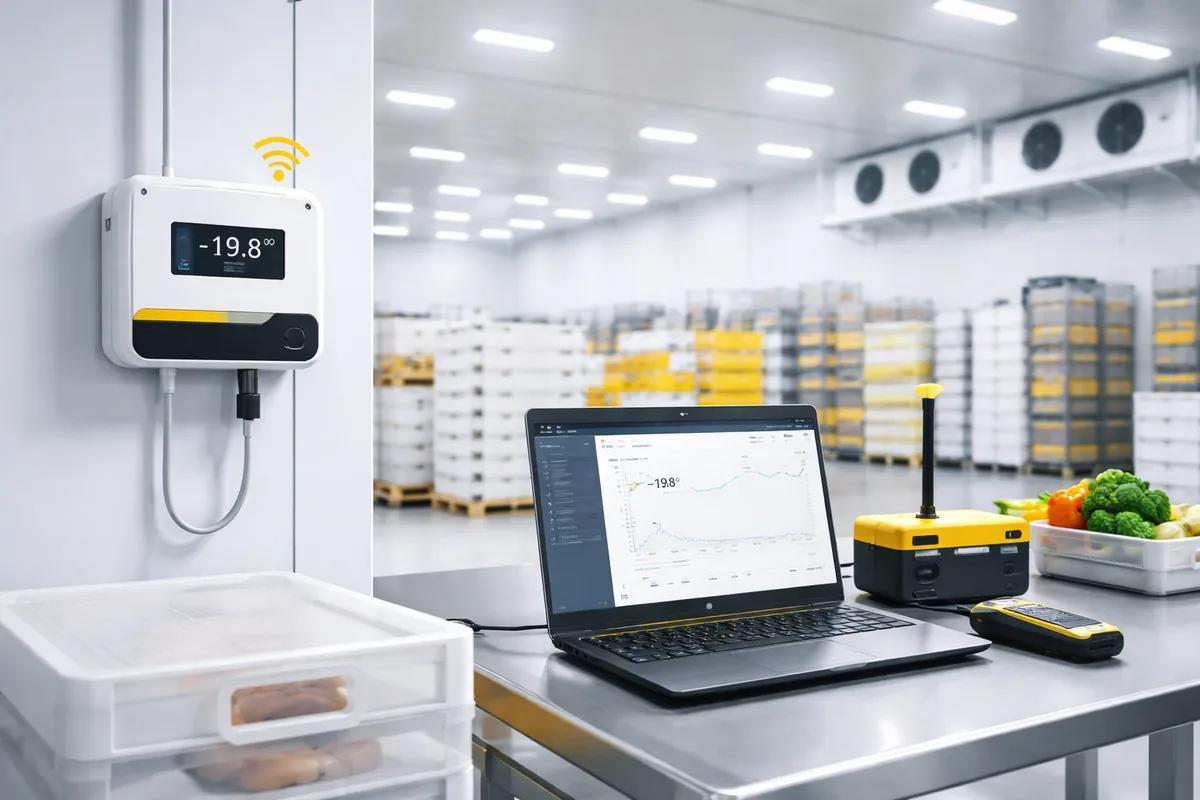
The Food Cold Chain Market is witnessing a significant technological evolution, with IoT-enabled cold chain monitoring emerging as the fastest-growing segment as operators increasingly adopt connected sensor networks, real-time data analytics, and predictive algorithms to ensure temperature integrity, reduce waste, and meet stringent regulatory compliance requirements. As per Market Research Future, the global food cold chain market was valued at USD 66.20 billion in 2025 and is projected to reach USD 73.10 billion in 2026, advancing to USD 181.10 billion by 2035 at a CAGR of 10.60% over the 2026–2035 forecast window. The rapid growth of IoT cold chain monitoring reflects the industry's shift towards data-driven logistics.
Cold chain monitoring components are forecast to expand at a 13.5% CAGR through 2035, the fastest sub-segment, as digital retrofit mandates spread across emerging markets. The monitoring components sub-segment is the engine of growth: as FSMA 204 compliance requires continuous digital temperature logging, operators are retrofitting legacy cold stores with wireless sensor arrays and edge-computing gateways. The Cold Chain Monitoring Components segment's growth is driven by the need for real-time visibility and predictive analytics.
The IoT sensor costs enabling pervasive cold chain monitoring technology are a key driver for the segment. Accelerating global convenience meal consumption extends the requirement for unbroken, temperature-controlled logistics. Simultaneously, rapid e-grocery infrastructure expansion and plummeting IoT hardware costs make granular, pallet-level telematics tracking highly viable, shifting the market toward predictive refrigeration fleet management and stricter temperature tolerances. The cost of sensors has decreased significantly, making pervasive monitoring economically feasible for a wider range of operators.
The blockchain-enabled traceability as a premium value layer is also fueling the segment. FSMA 204 compliance is the floor; blockchain-authenticated provenance is becoming the ceiling that premium buyers will pay for. Whole Foods, Carrefour, and Alibaba's Freshippo have each launched QR-code-driven consumer-facing traceability programs that leverage cold chain monitoring technology data to certify temperature integrity at the point of sale. This traceability-as-a-service layer could generate incremental revenue, as retailers pay cold chain operators a data premium for certified unbroken compliance records, driving investment in advanced monitoring technologies.
FAQ Section:
Q1: Why is IoT cold chain monitoring the fastest-growing segment?
A: IoT monitoring is growing rapidly because it provides real-time visibility, predictive analytics, and compliance assurance. Falling sensor costs and regulatory mandates like FSMA 204 are making pervasive monitoring economically viable and operationally essential for reducing waste and ensuring food safety.
Q2: How does blockchain integration enhance cold chain monitoring?
A: Blockchain provides an immutable, transparent record of temperature data, enabling premium pricing for certified integrity. It supports consumer-facing traceability programs and creates a new revenue stream (traceability-as-a-service) for operators who can provide verified, unbroken cold chain data.

 Bangla