


What Is Bite Correction Surgery?
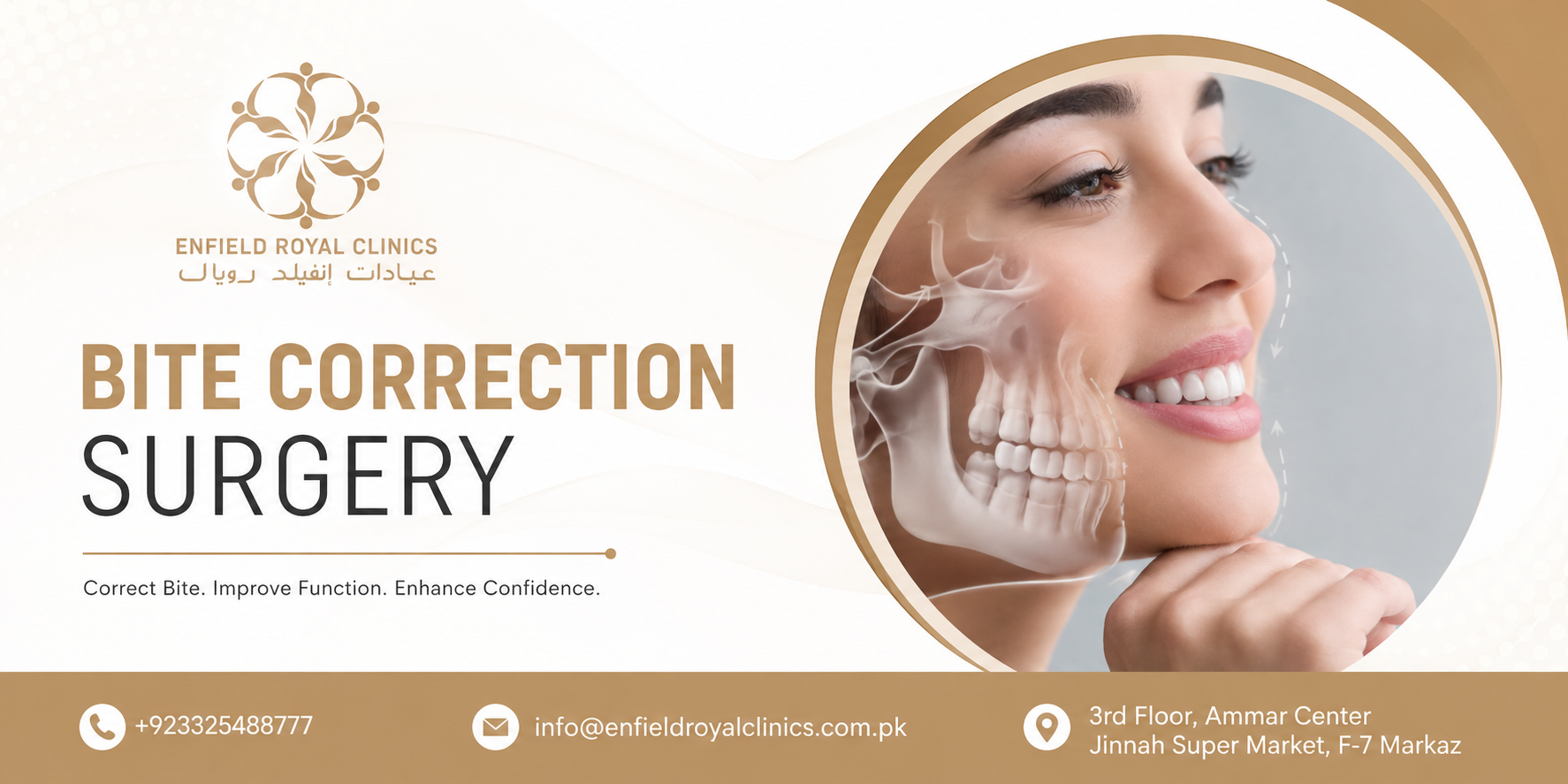
A healthy bite allows the upper and lower teeth to meet properly when you close your mouth. When the teeth or jaws do not align correctly, it can affect chewing, speech, facial balance, and overall oral function. In mild cases, orthodontic treatment may be enough to improve alignment. However, some severe jaw-related bite problems may require surgical treatment.
Bite Correction Surgery is a procedure used to correct significant problems involving the position or alignment of the jaws. It may be considered when the underlying issue cannot be adequately corrected with braces or other non-surgical treatments alone. The exact procedure depends on the patient's jaw structure, dental alignment, and individual treatment needs.
What Is Bite Correction Surgery?
Bite Correction Surgery refers to surgical treatment designed to improve the relationship between the upper jaw, lower jaw, and teeth. It is commonly considered for people with significant skeletal or jaw alignment problems that interfere with normal biting and chewing.
During treatment, the surgeon carefully repositions the jawbones into a more functional alignment. Orthodontic treatment may be used before and after surgery to help position the teeth correctly.
The goal is not simply to create a straighter-looking smile. Proper treatment aims to improve how the jaws and teeth work together while also supporting facial harmony.
Why Do People Need Bite Correction Surgery?
Bite problems can develop for different reasons. Some people are born with jaw differences, while others develop alignment problems as they grow. In certain cases, injury or other structural changes can also affect jaw position.
Common problems that may be associated with surgical bite correction include:
- Severe overbite
- Significant underbite
- Open bite
- Crossbite caused by jaw imbalance
- Jaw asymmetry
- Difficulty chewing properly
- Significant jaw misalignment
- Facial imbalance related to jaw position
Not every bite problem requires surgery. A dentist, orthodontist, or oral and maxillofacial surgeon must evaluate the underlying cause before recommending an appropriate treatment.
How Does Bite Correction Surgery Work?
Treatment usually begins with a detailed examination. The dental and surgical team may evaluate the patient's teeth, jaw movement, facial structure, and bite. Dental X-rays, photographs, scans, or other imaging may be used to understand the bone structure and plan treatment.
In many cases, orthodontic treatment is started before surgery. Braces can help move the teeth into positions that allow the jaws to be properly aligned during the surgical stage.
During the operation, the surgeon makes carefully planned surgical cuts in the jawbone and repositions the affected jaw segment. The new position is secured using specialized medical plates and screws. The specific surgical technique depends on whether the upper jaw, lower jaw, or both require correction.
After healing, orthodontic treatment may continue to refine the bite.
Can Surgery Correct Different Types of Bite Problems?
One advantage of surgical treatment is that it can address certain bite problems caused by jaw structure rather than tooth position alone.
Overbite
An overbite occurs when the upper teeth extend significantly over the lower teeth. Mild cases may respond to orthodontics, while severe skeletal cases can sometimes require jaw surgery.
Underbite
An underbite occurs when the lower teeth or jaw extend beyond the upper teeth. When the problem is mainly caused by jaw positioning, surgical correction may be considered.
Open Bite
An open bite occurs when some upper and lower teeth do not meet when the mouth is closed. Depending on its cause and severity, treatment may involve orthodontics, surgery, or a combination of both.
Jaw Asymmetry
When one side of the jaw develops differently from the other, facial asymmetry may occur. Surgical correction can sometimes improve both functional alignment and facial balance.
What Are the Benefits of Bite Correction Surgery?
The potential benefits depend on the patient's specific condition. Correcting significant jaw misalignment may improve several aspects of oral function.
Possible benefits include:
- Better alignment between the upper and lower jaws
- Improved chewing efficiency
- Improved bite function
- Better facial balance
- Easier oral hygiene in some cases
- Improved speech in selected patients
- Relief from certain functional jaw problems
- Greater confidence in facial appearance
The results are individual, and surgery should be recommended based on functional and structural needs rather than appearance alone.
Is Bite Correction Surgery Painful?
Because Bite Correction Surgery is a major surgical procedure, some discomfort, swelling, bruising, and jaw stiffness can occur during recovery. Medication prescribed by the surgical team can help manage discomfort.
Swelling is often more noticeable during the early recovery period and gradually improves. Patients are usually given specific instructions regarding eating, oral hygiene, physical activity, and follow-up appointments.
Recovery varies from person to person, so patients should follow their surgeon's instructions rather than comparing their healing process with someone else's experience.
How Long Is Recovery?
Initial recovery can take several weeks, while complete bone healing takes longer. Patients may need to follow a soft or modified diet during the early stages because chewing can be difficult while the jaws heal.
Regular follow-up appointments allow the surgical team to monitor healing and bite alignment. If orthodontic treatment is part of the plan, braces or aligners may continue to be used after surgery.
Returning to normal activities should be based on the surgeon's advice and the individual's healing progress.
Who May Be a Candidate?
Surgical bite correction is generally considered for patients with significant jaw-related bite problems that cannot be adequately managed with orthodontic treatment alone. Jaw growth also needs to be sufficiently complete before elective corrective jaw surgery is performed.
A proper assessment is essential because the best treatment varies according to age, jaw development, dental alignment, medical history, and the severity of the bite problem.
Why Professional Assessment Matters
Bite correction requires careful planning because teeth and jaws work as one functional system. Treating only the visible position of the teeth may not solve a problem that originates in the jawbones.
A qualified dental and surgical team can assess the bite, review imaging, discuss treatment alternatives, and explain the expected recovery process. They can also determine whether orthodontic treatment alone, surgery, or a combined approach is appropriate.
Final Thoughts
Bite Correction Surgery can be an important treatment option for people with severe jaw-related bite problems. By repositioning the jaws and coordinating treatment with orthodontics when necessary, it can improve bite function and facial balance.
However, surgery is not appropriate for every patient. A detailed professional evaluation is necessary to identify the cause of the bite problem and determine the safest and most suitable treatment plan.
For more information visit Enfield royal clinic in islamabad

 Bangla