

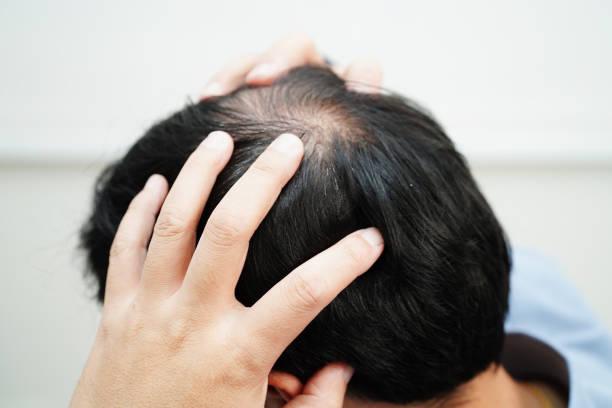

Reduced hair density can make the scalp increasingly visible, especially around the hairline, crown, or parting. While some degree of daily shedding is normal, persistent thinning may indicate changes in the hair-growth cycle or follicle activity. Understanding the underlying cause is essential when exploring hair fall treatment in saudi arabia for improving hair density and scalp coverage.
Hair density and scalp coverage are influenced by the number of active follicles, the thickness of individual strands, genetics, age, hormones, nutrition, and overall scalp health. A suitable treatment plan focuses on the specific reason your hair has become less dense rather than using the same approach for every type of hair loss. If you are considering Hair Loss Treatment in Riyadh, a professional assessment can help identify the condition of your follicles and determine which options may be appropriate.
What Causes Reduced Hair Density?
Genetic Hair Loss
Genetic hair loss is a common reason for gradual reduction in hair density. Certain follicles may become smaller over time and produce progressively finer strands.
As this process continues, the scalp may become more visible, particularly around the temples, crown, or central part.
Excessive Hair Shedding
Temporary or prolonged shedding can reduce overall coverage. Stress, illness, hormonal changes, nutritional deficiencies, and significant weight changes can sometimes trigger increased shedding.
Identifying the underlying trigger is important because treatment may differ from that used for progressive genetic thinning.
Aging and Hormonal Changes
Hair naturally changes with age, and hormonal fluctuations can affect growth patterns and strand thickness. These changes may gradually reduce the appearance of fullness.
How Hair Density Is Assessed
Scalp Examination
A professional can examine the scalp to identify areas with reduced density and determine whether the thinning is localized or widespread.
Hair Thickness
Individual strands may become finer before significant hair loss occurs. Assessing strand thickness can help identify early follicle miniaturization.
Follicle Condition
The condition of the follicles is important when deciding whether treatments designed to support existing hair may be useful.
Active follicles may have greater potential for improvement than areas where follicles have been permanently lost.
Treatment Options for Hair Density
PRP Hair Treatment
Platelet-rich plasma therapy uses a concentrated component of the patient's own blood and applies it to selected scalp areas. It may be considered for certain types of thinning where active follicles remain.
The goal is to support existing follicles and promote a healthier environment for hair growth. Results vary depending on the cause and individual response.
Topical Treatments
Certain topical approaches may support existing follicles in appropriate cases. Their suitability depends on the type of hair loss, scalp condition, and individual health factors.
Consistency is important when topical treatment is recommended.
Microneedling
Microneedling creates controlled microscopic channels in the scalp and may stimulate the body's natural repair response.
It may be incorporated into a broader treatment plan for selected types of hair thinning, depending on the individual's condition.
Hair Transplantation for Scalp Coverage
When hair follicles have been permanently lost, supportive treatments may have limited potential in those areas. Hair transplantation can be considered for suitable candidates with sufficient donor follicles.
The procedure involves moving healthy follicles from a donor area to areas where additional coverage is desired. Careful planning can help create a natural-looking distribution.
Can Treatment Improve Scalp Coverage?
The potential for improved coverage depends largely on the cause and stage of hair loss. When follicles remain active but are producing finer hairs, supportive treatments may help improve the appearance of density.
If follicles have been permanently lost, transplantation may offer a restoration option for appropriate candidates. No treatment can guarantee complete coverage for every individual.
The Role of Nutrition
Adequate Protein
Protein provides building blocks needed for normal hair production. Including suitable sources such as eggs, fish, poultry, dairy products, legumes, and nuts can support a balanced diet.
Essential Nutrients
A varied diet containing vegetables, fruits, whole grains, and healthy fats can provide a range of nutrients important for overall health.
If a deficiency is suspected, professional evaluation is preferable to taking supplements without guidance.
Scalp Care for Better Hair Health
A healthy scalp can provide a supportive environment for the follicles. Regular cleansing, appropriate hair products, and avoiding excessive irritation can help maintain scalp comfort.
Persistent itching, redness, scaling, inflammation, or other unusual symptoms should be evaluated rather than ignored.
Protecting Existing Hair
Reduce Heat Damage
Frequent high-heat styling can weaken the hair shaft and increase breakage. Using lower temperatures and limiting unnecessary heat exposure can help protect existing strands.
Avoid Excessive Chemical Processing
Repeated bleaching, straightening, relaxing, or other chemical procedures may make hair more fragile.
Reducing chemical damage can help preserve the appearance of existing density.
Limit Tight Hairstyles
Constant tension from tight ponytails, braids, extensions, or similar styles may contribute to traction-related hair loss.
Choosing looser hairstyles can reduce unnecessary stress on the roots.
Lifestyle Habits That Support Hair Density
Manage Stress
Significant stress can disrupt the hair-growth cycle and contribute to increased shedding in some individuals.
Exercise, relaxation techniques, adequate sleep, and healthy coping strategies can support general well-being.
Maintain a Balanced Diet
Extreme dieting and rapid weight loss may affect nutritional intake and contribute to shedding. A balanced approach can better support normal hair growth.
How Long Does It Take to Improve Density?
Hair growth is naturally slow, so visible improvements generally require patience. Depending on the treatment, changes in shedding may appear before noticeable improvements in density.
The timeline varies according to the underlying cause, follicle condition, treatment type, consistency, and individual response.
Monitoring Hair Density and Coverage
Take Progress Photographs
Photographs taken under similar lighting and from consistent angles can help identify gradual changes in density and scalp visibility.
Monitor Shedding
Tracking significant changes in shedding can provide useful information, although it should not be the only measure of treatment response.
Attend Follow-Up Assessments
Regular professional reviews can help determine whether treatment is producing the desired response and whether adjustments may be appropriate.
Why Personalized Treatment Matters
Hair density concerns can result from very different conditions. A treatment designed for genetic thinning may not be appropriate for temporary stress-related shedding or a scalp disorder.
A personalized plan considers your hair-loss pattern, follicle condition, scalp health, medical history, lifestyle, and goals. When considering Hair Loss Treatment in Riyadh, professional assessment can help you choose an approach based on your individual needs rather than general treatment trends.
When Should You Seek Professional Help?
Consider a professional evaluation if you notice persistent thinning, increased shedding, a widening hair part, receding temples, crown thinning, or significant scalp visibility.
Early assessment may provide more opportunities to support active follicles and identify factors contributing to reduced density.
Improving hair density and scalp coverage is usually a gradual process. The most appropriate strategy depends on whether follicles remain active, whether the hair loss is temporary or progressive, and what level of restoration is realistically possible.
Book an Appointment
If you are concerned about reduced hair density or visible scalp areas, Royal Clinic Saudia can help you explore suitable hair and scalp treatment options. Book an appointment for a professional consultation and discuss a personalized plan based on your hair-loss pattern, scalp condition, and coverage goals.
FAQs:
Can hair-loss treatment improve scalp coverage?
It may improve the appearance of coverage when active follicles remain and respond appropriately to treatment.
Does PRP help increase hair density?
PRP may support existing follicles in selected cases, although individual results can vary.
Can a hair transplant improve scalp coverage?
Yes, transplantation may improve coverage in areas of permanent hair loss when suitable donor follicles are available.
How long does it take to see improved density?
Hair growth is gradual, so visible changes typically require time and consistent treatment.
