


Looking to Cut Shipping Costs? Try Sea Freight Consolidation
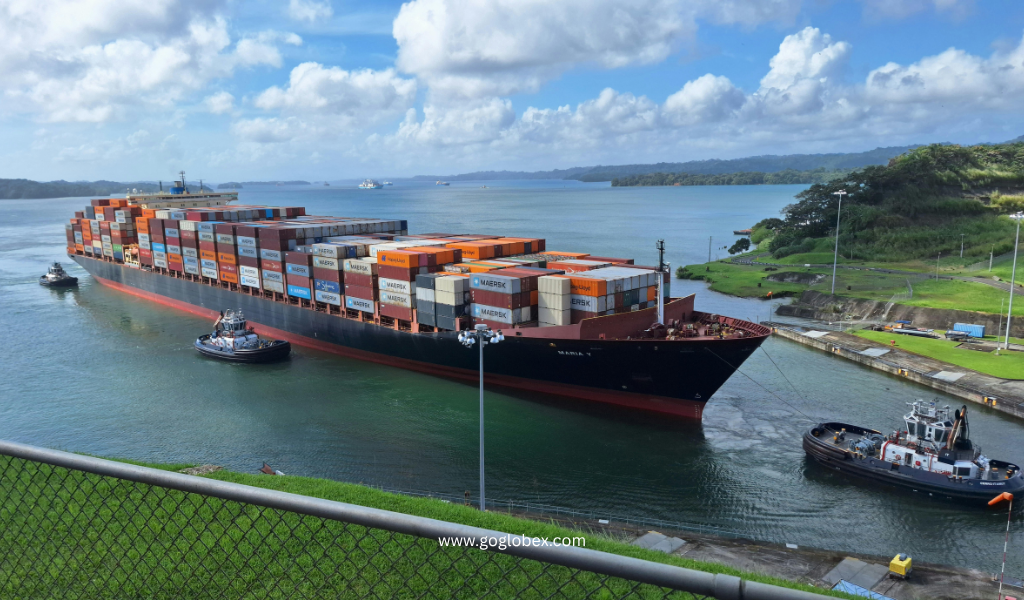
International shipping can become expensive when your cargo does not fill an entire container. A practical solution is offered by sea freight consolidation, which collects shipments from various businesses into a single container. In place of purchasing unused container space, enterprises share shipping while continuing to enjoy reliable ocean freight.
If you are working for a business that ships internationally on a regular basis, consolidation can bring order and affordability to your logistics.
Quick Summary
● Sea freight consolidation takes several smaller shipments and ships them in one container.
● To save money on shipping when a container is not needed.
● LCL is designed to meet all types of shipping needs, ranging from less-than-container load.
● Firm consolidation providers effectively assess paperwork, routing, and cargo organization.
● Businesses should compare transit times, fees, coverage, and service capabilities before choosing a provider.
How Does Sea Freight Consolidation Reduce Shipping Costs?
The basic idea is simple: multiple shipments are making use of the same container space. Shippers pay only for the share of the container their cargo fills rather than the whole container.
This reduces the sea freight shipping costs especially for businesses that are in the business to move lesser quantities of products on a more regular basis.
Better Use of Container Space
Unused container capacity still comes at a price consolidation groups compatible shipments together, allowing you to make the most of the space you have.
Fewer Unnecessary Full Containers
If your shipment is too big for air freight and too small to fill a full container, international freight consolidation could be a way to find a balance between the two.
More Flexible Shipping
This way, businesses can ship when ready without waiting for them to have enough inventory to ship a full container.
Sea Freight Consolidation vs. FCL: Which Is Better for Your Business?
Full Container Load FCL means that one shipper uses a whole container. This consolidated shipping is achieved through an LCL shipping service, where multiple shipments share the space of a single container.
|
Factor |
Sea Freight Consolidation / LCL |
FCL |
|
Best for |
Smaller shipments |
Large-volume cargo |
|
Container space |
Shared |
Dedicated |
|
Cost approach |
Pay for space used |
Pay for the full container |
|
Flexibility |
High for smaller shipments |
Better for regular large shipments |
|
Handling |
May involve additional cargo handling |
Usually fewer shared-cargo handling points |
|
Ideal situation |
Cargo does not fill a container |
Cargo can efficiently fill a container |
The better choice depends on shipment volume, urgency, destination, handling requirements, and budget. Ocean Cargo Consolidation can be particularly attractive when container utilization would otherwise be low.
Who Can Benefit Most From Consolidated Sea Freight?
In many types of businesses, sea freight consolidation can be beneficial to them.
These are small and growing businesses that do not yet ship sufficient inventory to fill containers and want to avoid paying for unused capacity.
E-commerce stores: Retailers are bringing smaller amounts of products and are ordering smaller quantities to avoid having to commit to a full container.
Manufacturer and distributor: Companies utilizing components or products from overseas suppliers may be able to consolidate cargo from various suppliers, depending on local logistics arrangements.
Businesses with variable demand: When shipment volumes change from month to month, consolidation provides greater flexibility than committing to FCL every time.
How to Choose a Reliable Sea Freight Consolidation Provider?
Price matters, but it should not be the only consideration. The worst thing is that you might hear nothing at all, so choose a reliable provider who is communicative and helps you practically along the delivery path.
Search for the following features: experience in the origin and destination markets, transparent pricing, relationships with carriers, cargo tracking, and documentation support.
Request for a comprehensive quote that breaks down all the actual costs involved, including freight charges, handling at origin and destination, documentation fees, customs-related costs, taxes, levies, and additional charges, if any. This allows for easier comparison of the actual cost of various alternatives.
Globex Logistics also assists businesses in assessing ocean freight solutions that meet their shipment requirements, destinations, and cargo volumes. Having an experienced logistics partner can simplify the process of consolidation.
Conclusion
Sea freight consolidation can be used for international shipments that are smaller, which can also be cost-effective for companies wanting to keep at the top of transportation outlays, without missing the benefits of ocean freight. Utilizing container space-sharing allows companies to free up funds previously spent on empty container volume. This also gives them far greater power over when shipping will be performed.
The needs of the cargo, its destination, its timing, and must be taken into consideration to provide the right solution, and its handling. Globex Logistics can help businesses to find appropriate options when it comes to their sea freight stage and also to make informed decisions about their own delivery strategy related to that option.
Source Link: https://johanmayer21.blogspot.com/2026/08/looking-to-cut-shipping-costs-try-sea.html

 Bangla