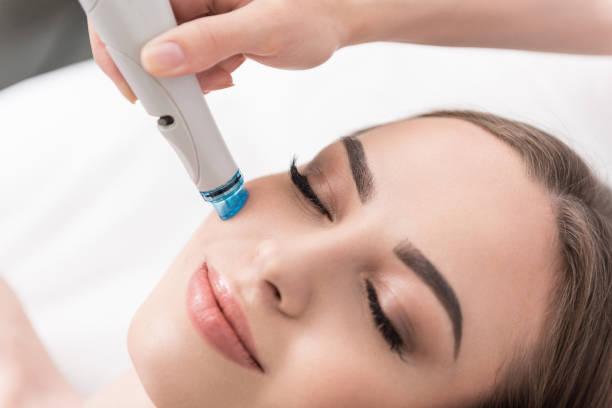
Acne-prone skin can be challenging to manage because excess oil, dead skin cell buildup, clogged pores, and inflammation can contribute to recurring breakouts. A consistent skincare routine is important, but professional treatments may provide additional support for certain types of congestion. HydraFacial is a non-invasive facial treatment that combines cleansing, exfoliation, extraction, and hydration. hydrafacial riyadh may be considered by people with acne-prone skin who want to improve the appearance of clogged pores, blackheads, excess oil, and uneven texture.
HydraFacial is not a cure for acne, and it is not appropriate for every type or severity of breakout. Its benefits are generally focused on surface cleansing, gentle exfoliation, pore congestion, and hydration. People with persistent or inflammatory acne may need a medical evaluation and a treatment plan specifically designed for acne management.
How HydraFacial May Help Acne-Prone Skin
HydraFacial can support acne-prone skin by addressing some factors associated with clogged pores. The treatment removes surface buildup, gently exfoliates dead skin cells, and uses controlled suction to extract certain impurities.
These steps may help create a cleaner and smoother-looking complexion.
Helps Remove Surface Buildup
Oil, dead skin cells, makeup residue, and environmental impurities can accumulate on the skin.
The cleansing stage of HydraFacial helps remove surface buildup and prepares the skin for the following treatment steps.
Gentle Exfoliation for Congested Skin
Dead skin cells can contribute to clogged pores.
HydraFacial's exfoliation stage helps remove some of this buildup without relying on aggressive physical scrubbing, potentially improving the appearance of rough or congested skin.
Controlled Extraction for Blackheads
Extraction is one of the most relevant parts of HydraFacial for people with acne-prone skin.
Controlled suction can help remove certain blackheads and pore impurities, making congested areas look cleaner.
Can HydraFacial Prevent Breakouts?
HydraFacial cannot guarantee that future breakouts will be prevented.
Acne is influenced by multiple factors, including oil production, hormones, genetics, inflammation, bacteria, and the way dead skin cells accumulate.
A consistent acne-focused skincare routine may be more important for long-term management.
HydraFacial for Oily Skin
Excess sebum can contribute to clogged pores and make acne-prone skin appear greasy.
HydraFacial can help cleanse the surface and remove certain pore impurities while still providing hydration.
However, it does not permanently reduce oil production.
HydraFacial for Blackheads
Blackheads are a form of non-inflammatory acne caused by clogged follicles.
The extraction component of HydraFacial may help remove some blackheads and improve the appearance of congested pores.
Blackheads can return because oil production and skin-cell shedding continue naturally.
HydraFacial for Whiteheads
Some superficial congestion may improve through cleansing and exfoliation.
However, not every type of whitehead is suitable for device-assisted extraction, and attempting to remove lesions aggressively can cause irritation or skin damage.
What About Inflamed Acne?
Inflamed acne can include red, swollen, or tender lesions.
HydraFacial may not be appropriate during an active inflammatory breakout, particularly when the skin is highly irritated. A qualified professional should assess the condition before treatment.
What About Cystic Acne?
Cystic or severe acne generally requires medical management rather than relying on facial treatments alone.
If you experience painful, deep, or recurring acne lesions, consult a qualified healthcare professional for appropriate evaluation and treatment.
HydraFacial and Acne Scars
HydraFacial can improve surface hydration and texture, but it does not remove deep acne scars.
Depressed or significant acne scars may require treatments specifically designed to stimulate collagen remodeling or resurface the skin.
HydraFacial and Post-Acne Marks
The treatment may help the complexion appear brighter and smoother, but it is not specifically designed to remove all post-acne pigmentation.
Persistent dark marks may require targeted treatments following a professional skin assessment.
How the Treatment Works
A typical HydraFacial includes several stages.
Cleansing
The skin is cleansed to remove surface oil and impurities.
Exfoliation
Dead skin cells are gently removed to improve surface texture.
Extraction
Controlled suction helps remove certain impurities from congested pores.
Hydration
Hydrating solutions are applied to replenish moisture and support the skin barrier.
Is HydraFacial Suitable for Sensitive Acne-Prone Skin?
Some people with sensitive acne-prone skin may be suitable candidates when the treatment is carefully customized.
However, active irritation, open lesions, infections, or significant inflammation may require treatment to be postponed.
What Happens After Treatment?
After HydraFacial in Riyadh, the skin may appear cleaner, smoother, and more hydrated.
Temporary redness or mild sensitivity can occur, particularly in people with sensitive skin.
Is There Downtime?
HydraFacial generally involves minimal downtime.
Many people can return to their normal activities soon after treatment, although individual skin responses vary.
How Quickly Can You See Results?
Some people notice a smoother and more refreshed appearance shortly after treatment.
Improvements in congestion may become more apparent after the skin settles, but results vary according to the severity and type of acne.
How Often Can HydraFacial Be Done?
There is no universal schedule for acne-prone skin.
Treatment frequency should depend on your skin's condition, sensitivity, acne severity, and professional recommendations.
Combining HydraFacial With an Acne Skincare Routine
HydraFacial should complement rather than replace an appropriate acne skincare routine.
A professional may recommend products designed to manage oil, clogged pores, inflammation, or post-acne marks.
Be Careful With Over-Exfoliation
Acne-prone skin can become irritated if too many exfoliating products or treatments are used.
If you receive HydraFacial, your provider may recommend temporarily adjusting your home exfoliation routine.
Moisturization Still Matters
People with oily or acne-prone skin sometimes avoid moisturizers because they are concerned about additional breakouts.
However, maintaining the skin barrier is important. A lightweight, non-comedogenic moisturizer may be appropriate for some individuals.
Sun Protection for Acne-Prone Skin
Daily sun protection is important because UV exposure can contribute to pigmentation and premature skin aging.
A suitable non-comedogenic sunscreen can help protect the skin without unnecessarily contributing to congestion.
When to Seek Professional Acne Treatment
Consider professional medical advice if your acne is:
Persistent
Painful
Deep or cystic
Leaving scars
Frequently inflamed
Not improving with your current routine
These signs may indicate a need for targeted acne treatment rather than a facial alone.
What HydraFacial Cannot Do
HydraFacial can help with certain surface-level concerns, but it cannot:
Cure acne
Permanently prevent breakouts
Stop hormonal acne
Eliminate deep acne scars
Permanently reduce oil production
Replace prescribed acne treatment
Understanding these limitations helps create realistic expectations.
Choosing a Qualified Provider
A qualified professional can evaluate your acne type, skin sensitivity, current skincare routine, and treatment goals.
This assessment can help determine whether HydraFacial is appropriate or whether another treatment would be more beneficial.
Setting Realistic Expectations
HydraFacial may help acne-prone skin look cleaner, smoother, and more hydrated, particularly when the main concerns are blackheads, mild congestion, and surface buildup.
It should be viewed as a supportive skincare treatment rather than a standalone acne cure.
Book an Appointment at Royal Clinic Saudia
If you have acne-prone skin and are considering HydraFacial in Riyadh, consider booking a consultation at Royal Clinic Saudia. The medical team can evaluate your skin, discuss your acne concerns, and recommend a personalized approach based on your skin type and treatment needs.
FAQs:
Is HydraFacial good for acne-prone skin? It may be helpful for acne-prone skin when the main concerns are mild congestion, blackheads, excess surface oil, or rough texture. Suitability depends on the individual's skin condition.
Can HydraFacial remove blackheads? The controlled extraction stage may help remove certain blackheads and pore impurities. However, blackheads can return over time.
Can I have HydraFacial during an acne breakout? It depends on the type and severity of the breakout. Active, inflamed, painful, or irritated acne should be assessed by a qualified professional before treatment.
Does HydraFacial cure acne? No. HydraFacial may support clearer-looking skin but does not cure acne or address all of its underlying causes. Persistent acne may require targeted medical treatment.