

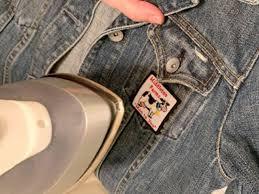
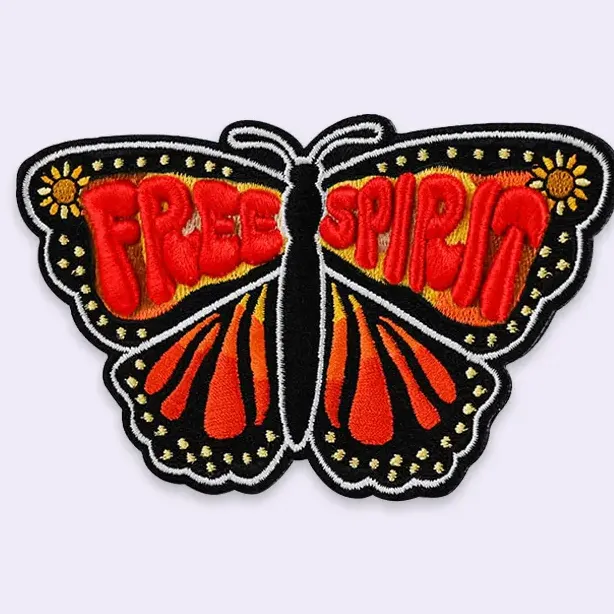
Rush Patch embroidery patches heat transfer products offer a practical way to add embroidered designs to clothing, uniforms, bags, hats, jackets, and other fabric items. Instead of sewing every patch onto a garment, heat transfer application allows the patch to be attached using controlled heat and pressure. This makes the process faster and more convenient, especially when applying multiple patches.
Rush Patch provides custom patch solutions for businesses, organizations, teams, events, brands, and individuals who want professionally finished designs. Whether you are looking for embroidered heat press patches, custom logos, team designs, or decorative artwork, understanding how heat transfer patches work can help you choose the right option for your project.
What Are Rush Patch Embroidery Patches Heat Transfer?
Rush Patch embroidery patches heat transfer combines the traditional appearance of embroidery with a heat activated backing. The embroidered surface provides texture and a detailed appearance, while the backing is designed to bond with compatible fabrics when heat and pressure are applied correctly.
This type of patch can be useful when you want the appearance of a traditional embroidered patch without manually stitching it onto every item. Heat application can save time and make the installation process easier for individuals and businesses handling multiple garments.
The final result depends on the patch construction, adhesive backing, fabric, temperature, pressure, and application time. Following the supplier's application instructions is important because excessive heat or insufficient pressure can affect adhesion.
Are Heat Press Patches Good?
Many customers ask, Are heat press patches good? The answer depends on the intended application. Heat press patches can be a good choice when you want relatively quick application and a clean finished appearance. They are particularly convenient for garments, uniforms, bags, and promotional merchandise made from compatible fabrics.
However, heat transfer is not automatically suitable for every material. Certain fabrics can be damaged by high temperatures, while textured, coated, waterproof, or heat sensitive materials may require different attachment methods.
For demanding applications where garments experience frequent washing, heavy friction, or outdoor use, it is important to select an appropriate patch construction and follow proper application instructions.
How Do Heat Transfer Patches Work?
Customers often ask, How do heat transfer patches work? A heat transfer patch generally uses a heat activated adhesive on its reverse side. When the patch is placed on a compatible fabric and exposed to the recommended heat and pressure, the adhesive softens and bonds to the material.
After application, the patch needs sufficient cooling time so the adhesive can properly set. The exact temperature, pressure, and application duration can vary depending on the patch and fabric.
A heat press provides more consistent pressure and temperature than a household iron, which is why it is commonly preferred for professional applications.
Custom Embroidered Heat Press Patches
Custom embroidered heat press patches are useful when you want your own artwork reproduced as an embroidered design with a heat application backing. Businesses can use company logos, sports teams can use mascots, and organizations can create branded patches for uniforms and merchandise.
When preparing artwork, keep the final patch size in mind. Extremely small lettering or highly complicated details may not translate well into embroidery. Strong shapes, clear lettering, and suitable color combinations generally create a better result.
Rush Patch can be considered for custom patch projects where appearance and convenient application are both important.
Custom Embroidery Patches for Heat Press
Custom embroidery patches for heat press are designed for customers who want embroidered texture with a convenient application method. They can be used on jackets, uniforms, backpacks, caps, workwear, and other suitable fabric products.
Before applying a patch, check the fabric manufacturer's recommendations. Different fabrics respond differently to heat. Applying excessive heat can cause discoloration, melting, scorching, or other damage.
For large orders, testing one patch on a sample garment before applying the entire batch is a sensible step. It allows you to confirm that the temperature, pressure, and application time work properly.
Custom Heat Transfer Embroidery Patches for Businesses
Businesses can use custom heat transfer embroidery patches as part of uniforms, promotional merchandise, branded apparel, or corporate clothing. A professionally designed embroidered patch can make workwear look more consistent and recognizable.
Restaurants, security companies, construction businesses, sports organizations, clubs, and event teams can use customized patches to display names, logos, positions, or group identities.
For professional branding, the artwork should remain consistent across all products. Using the same logo proportions and brand colors helps maintain a recognizable appearance.
Can You Heat Press Embroidery Patches?
A common question is, Can you heat press embroidery patches? Yes, embroidered patches made with a suitable heat activated backing can generally be applied using a heat press. However, not every embroidered patch is designed for heat application.
The backing is the important factor. A sew-on patch without heat activated adhesive will not automatically become a heat transfer patch simply because it is placed under a heat press.
Before applying heat, confirm that the patch is specifically designed for heat transfer or heat press application. Also make sure the garment can safely tolerate the recommended temperature.
Embroidered Heat Press Patches vs Sew-On Patches
Embroidered heat press patches and sew-on patches serve similar purposes but have different application methods. Heat transfer patches are convenient because they can be attached relatively quickly using heat and pressure. Sew-on patches require stitching, which takes more time but can provide additional security for demanding applications.
For casual clothing, bags, and many promotional products, heat application can be convenient. For garments that experience heavy wear or repeated stress, sewing can sometimes provide additional reinforcement.
Some customers may choose to combine methods by heat applying the patch first and stitching around the edges for extra durability.
Embroidery Heat Transfer Vinyl and Patches
Embroidery heat transfer vinyl is another customization method that can be used to decorate fabric. Although it is related to heat application, heat transfer vinyl and embroidered patches are not the same product.
Heat transfer vinyl creates a smooth design applied directly to fabric, while an embroidered patch has a separate embroidered surface that is attached to the garment. The choice depends on the appearance, texture, durability, and application method you want.
If you prefer a raised, textured appearance, embroidery may be more suitable. If you want a lightweight printed or cut design, heat transfer vinyl may be a better option.
How to Apply Heat Transfer Patches
Knowing how to apply heat transfer patches correctly is essential for achieving good adhesion. Start by placing the garment on a firm, flat surface. Position the patch exactly where you want it before applying heat.
Use the recommended temperature and pressure for the specific patch and fabric. Apply heat evenly according to the supplier's instructions, then allow the patch and garment to cool properly before checking the bond.
Do not assume that increasing the temperature or application time will automatically improve adhesion. Too much heat can damage the fabric or patch, while inadequate pressure may prevent proper bonding.
How Long Do Heat Transfer Patches Last?
Many people ask, How long do heat transfer patches last? There is no single lifespan that applies to every patch. Durability depends on adhesive quality, fabric type, application technique, washing conditions, friction, and how frequently the garment is used.
Correct application is one of the most important factors. A patch that has not received enough pressure or heat may begin lifting prematurely. Washing garments according to appropriate care instructions can also help preserve the patch.
For products exposed to heavy use, testing the patch under real-world conditions before a large production run is a smart approach.
How Do I Transfer an Embroidered Patch?
If you are asking, How do I transfer an embroidered patch?, first determine whether the patch has a heat activated backing. If it does, position it on compatible fabric and use the recommended heat press settings.
If the patch is sew-on only, heat alone will not provide the required adhesive bond. In that situation, sewing is the appropriate attachment method unless a separate compatible adhesive application is being used.
Always check the patch and fabric requirements before beginning the application.
Can I Put an Iron On a Patch Over Embroidery?
Another question customers may have is, Can I put an iron on a patch over embroidery? This depends on the embroidered area, patch backing, fabric, and thickness of the existing embroidery. Applying a patch over raised embroidery can prevent the patch from sitting flat, which may reduce adhesion.
If the surface is uneven, a heat press may not distribute pressure evenly. In such cases, testing the application on a sample is recommended before working on the final garment.
Heat Transfer Patches Wholesale
Businesses that need large quantities may look for heat transfer patches wholesale options. Wholesale ordering can be useful for uniforms, retail merchandise, promotional campaigns, sports teams, and organizations that need repeated designs.
Before ordering a large quantity, review the patch dimensions, artwork, backing type, material, and application requirements. A clear production specification helps reduce mistakes and ensures that the finished products match the intended design.
Rush Patch can be a suitable option for businesses looking to create customized heat transfer embroidered patches for larger projects.
How to Make a Heat Transfer Embroidery Patch
Customers interested in How to make a heat transfer embroidery patch should understand that the process involves several stages. The artwork first needs to be converted into an embroidery design suitable for the selected patch size. The design is then embroidered onto the chosen patch material, followed by the addition of an appropriate heat activated backing.
Professional production requires suitable embroidery equipment, digitizing knowledge, backing materials, cutting equipment, and heat application materials. For occasional projects, ordering professionally made patches may be more practical than investing in equipment.
Similarly, learning how to make heat transfer embroidery patches requires attention to both embroidery quality and adhesive application. A good embroidered design can still fail if the backing is poorly applied.
Iron On Transfers for Embroidery
Iron on transfers for embroidery can refer to designs or transfer materials used in embroidery and fabric customization. These products can help simplify certain decoration processes, but they should not be confused with finished embroidered patches.
Likewise, iron on transfer embroidery designs can be useful when transferring artwork or placement information to fabric before embroidery. The appropriate method depends on whether you are creating embroidery directly on the garment or producing a separate embroidered patch.
What Is the Best Embroidery Machine for Custom Patches?
A common equipment question is, What is the best embroidery machine for custom patches? There is no universal best machine because the right choice depends on production volume, hoop size, number of needles, design complexity, budget, and required features.
A small business producing occasional patches may need very different equipment from a professional patch manufacturer producing hundreds or thousands of pieces. Machine selection should therefore be based on actual production requirements rather than simply choosing the most expensive model.
How to Remove Heat Transfer Patches
If you need to know how to remove heat transfer patches, use caution because removing a patch can affect the underlying fabric. Heat may soften the adhesive, but the exact removal process depends on the adhesive and material.
Do not aggressively pull the patch while it is strongly bonded because this can damage fibers or leave adhesive residue. Test any removal method on an inconspicuous area first, particularly on delicate or colored fabrics.
Choosing Rush Patch for Heat Transfer Embroidery
Rush Patch offers custom patch solutions for customers who want embroidered designs with convenient heat transfer application. Rush Patch embroidery patches heat transfer can be used for branded clothing, uniforms, team apparel, promotional merchandise, events, and personal projects.
The best results come from choosing appropriate artwork, selecting the correct patch size, confirming the backing type, and following the application instructions carefully. Customers who need larger quantities should also confirm their specifications before production begins.
Conclusion
Rush Patch embroidery patches heat transfer products combine the textured appearance of embroidery with a convenient heat activated application method. They can be useful for businesses, teams, organizations, events, uniforms, promotional merchandise, and personal clothing.
From custom embroidered heat press patches and custom embroidery patches for heat press to heat transfer embroidery patches and heat press embroidery patches, the right product depends on your design, fabric, application method, and intended use.
Rush Patch provides a practical option for customers who want custom embroidered patches that are designed with heat application in mind. By selecting suitable materials, using correct application settings, and choosing artwork that works well at the final size, you can achieve a professional and durable finished result.
