A defined waistline can contribute significantly to overall body proportions and silhouette. However, localized fat around the abdomen and flanks can sometimes make the waist appear wider, even when a person maintains a healthy diet and exercises regularly. Liposuction can help suitable candidates reduce these stubborn deposits and create smoother, more balanced waist contours.
For people considering liposuction, understanding how the procedure works, what it can achieve, and its limitations is important for developing realistic expectations.
How Does Liposuction Affect the Waistline?
Liposuction targets subcutaneous fat located beneath the skin. When excess fat is concentrated around the waist and flanks, carefully removing selected deposits can make the midsection appear more streamlined.
The procedure does not simply remove fat from one point. A surgeon typically considers the surrounding abdomen, flanks, hips, and back to create smooth transitions and balanced proportions.
What Areas Around the Waist Can Be Treated?
Several areas may contribute to a less defined waistline.
Abdomen
Localized fat around the abdomen can make the midsection look fuller. Liposuction may reduce suitable deposits and create a smoother abdominal contour.
Flanks
The flanks, sometimes called the sides of the waist, can accumulate stubborn fat. Reducing this fullness may help create a more defined waistline.
Lower Back
Localized fat around the lower back can affect the overall waist silhouette. In suitable patients, treating this area may help create a smoother transition between the back and waist.
Hips
The relationship between the waist and hips influences overall proportions. Carefully planned contouring can help these areas transition more naturally.
Can Liposuction Create a Smaller-Looking Waist?
Liposuction can make the waist appear slimmer by reducing localized fat deposits, but the amount of change depends on individual anatomy.
Factors such as bone structure, muscle development, fat distribution, skin elasticity, and overall body shape all influence the final appearance.
The procedure cannot change the underlying skeleton or guarantee a specific waist measurement.
Why Is Proportion Important?
Treating only the most prominent fat deposit may not always produce the most natural-looking result.
For example, reducing the waist without considering the abdomen, flanks, hips, or back could create an uneven transition.
A comprehensive treatment plan considers how neighboring areas relate to one another.
Can Liposuction Define the Waist After Weight Loss?
Yes, some people consider liposuction after reaching a relatively stable weight.
Even after significant lifestyle changes, localized fat deposits may remain around the waist.
Liposuction can potentially refine these areas, provided the main concern is excess subcutaneous fat rather than substantial loose skin.
What If Loose Skin Is Present?
Liposuction removes fat but does not directly remove excess skin.
If substantial loose abdominal skin is present, removing more fat may not provide the desired appearance.
Depending on the individual situation, a procedure such as a tummy tuck may be considered to address excess skin and abdominal laxity.
How Does Skin Elasticity Affect the Waistline?
Skin elasticity determines how well the skin can adapt after fat removal.
Patients with relatively good elasticity may experience natural skin retraction as healing progresses.
Age, genetics, previous weight fluctuations, pregnancy, and other factors can influence skin elasticity.
Can Exercise Create the Same Result?
Exercise can strengthen the abdominal and surrounding muscles and support overall body composition.
However, exercise cannot selectively remove fat from one specific area.
Liposuction differs because it allows a surgeon to target localized deposits directly.
The two approaches serve different purposes and can complement one another when appropriate.
Is Liposuction a Weight-Loss Treatment?
No.
Liposuction is primarily a body-contouring procedure.
It is intended to refine localized fat deposits rather than treat obesity or produce significant overall weight loss.
Maintaining a healthy lifestyle remains important before and after treatment.
Who May Be a Suitable Candidate?
A suitable candidate may have:
Localized fat around the waist
Relatively stable body weight
Good general health
Adequate skin elasticity
Realistic expectations
A desire for contour refinement
A consultation with a qualified surgeon is necessary to determine whether liposuction is appropriate.
Can Multiple Areas Be Treated Together?
In selected patients, the abdomen, flanks, lower back, or hips may be treated together.
Combining areas can sometimes create more harmonious proportions.
However, the decision depends on individual health, the amount of fat being removed, treatment extent, and overall surgical safety.
What Happens During Waist Liposuction?
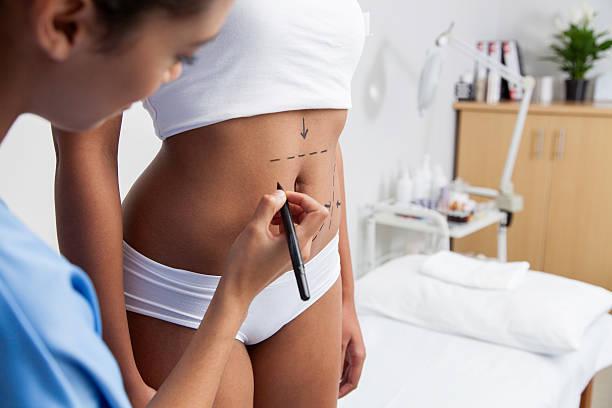
The surgeon first evaluates and marks the areas that require contouring.
Small incisions are then made, and a thin cannula is used to remove targeted fat deposits.
The exact technique, anesthesia, and treatment approach vary according to the patient's needs and the surgeon's plan.
What Is Recovery Like?
Swelling and bruising are common after liposuction.
Patients may also experience tenderness, tightness, and temporary changes in sensation.
These effects generally improve as the body heals.
Your surgeon may recommend compression garments, gentle walking, prescribed medication, incision care, and temporary restrictions on strenuous activity.
When Will the Waistline Look More Defined?
The waist may appear different shortly after surgery, but swelling can temporarily obscure the final contour.
As swelling decreases and tissues settle, the waistline gradually becomes more defined.
It is important to allow adequate healing time before evaluating the final result.
How Can You Maintain the Results?
Liposuction permanently removes fat cells from treated areas, but remaining fat cells can enlarge with significant weight gain.
To help maintain the improved waistline after recovery, focus on:
Balanced nutrition
Regular physical activity
Stable weight
Adequate hydration
Healthy long-term habits
What Are the Potential Risks?
Liposuction is a surgical procedure and may involve risks such as:
Bleeding
Infection
Swelling
Fluid accumulation
Changes in sensation
Contour irregularities
Asymmetry
Scarring
Blood clots
Anesthesia-related complications
Discuss your individual risks and expected benefits with a qualified surgeon.
What Makes a Natural-Looking Waistline?
A natural-looking waistline depends on balanced contouring rather than excessive fat removal.
Important considerations include:
Smooth Transitions
The waist should blend naturally with the abdomen, hips, and back.
Appropriate Fat Removal
Removing too much fat can create indentations or an overly hollow appearance.
Individual Anatomy
Every person's natural proportions are different, so the treatment should be customized.
Realistic Expectations
Liposuction can refine the waistline but cannot completely change your skeletal structure or guarantee a particular shape.
Questions to Ask During a Consultation
Before choosing Liposuction in Riyadh, consider asking your surgeon:
Is my waistline mainly affected by subcutaneous fat?
Would treating the abdomen and flanks together improve the result?
How will my skin elasticity affect the outcome?
Do I have excess skin that may require another procedure?
What recovery should I expect?
What type of result is realistic for my anatomy?
Book an Appointment at Royal Clinic Saudia
If you are considering Liposuction in Riyadh to improve the appearance of your waistline, consider booking a consultation at Royal Clinic Saudia. A qualified medical team can assess your fat distribution, skin quality, body proportions, and aesthetic goals before recommending an individualized treatment approach.
FAQs:
Can liposuction make my waist look slimmer? Yes. In suitable candidates, removing localized fat from the waist, flanks, and surrounding areas can create a slimmer and more defined-looking contour.
Does waist liposuction remove all abdominal fat? No. Liposuction primarily removes subcutaneous fat. It does not remove visceral fat located around internal organs.
Can exercise replace waist liposuction? Exercise can improve overall fitness and body composition but cannot selectively remove fat from a specific area. Liposuction provides targeted fat reduction.
How long do waist liposuction results last? The removed fat cells are permanently eliminated, but remaining fat cells can enlarge with significant weight gain. Maintaining a stable weight can help preserve the results.




 Bangla