

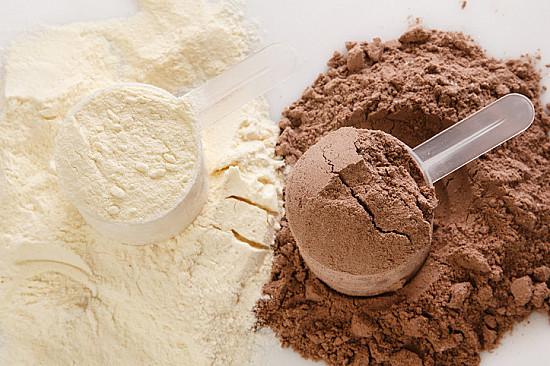
Protein Powder Manufacturing Plant Project Report 2026: Business Plan, and Raw Material Requirements

IMARC Group’s “Protein Powder Manufacturing Plant Project Report 2026: Industry Trends, Plant Setup, Machinery, Raw Materials, Investment Opportunities, Cost and Revenue” report provides a comprehensive guide on protein powder manufacturing plant setup and how to successfully establish a production facility. The report offers clarifications on various aspects, such as unit operations, raw material requirements, utility supply, infrastructural needs, machinery models, labour necessities, transportation timelines, packaging costs, etc.
In addition to the operational aspects, the report also provides in-depth insights into protein powder manufacturing process, project economics, encompassing vital aspects such as capital investments, project funding, operating expenses, income and expenditure projections, fixed and variable costs, direct and indirect expenses, expected ROI, net present value (NPV), profit and loss account, and thorough financial analysis, among other crucial metrics. With this comprehensive roadmap, entrepreneurs and stakeholders can make informed decisions and venture into a successful protein powder manufacturing unit. The global protein powder market size was valued at USD 26.27 Billion in 2025 and is expected to reach USD 47.49 Billion by 2034, exhibiting a CAGR of 6.8% from 2026 to 2034.
What is Protein Powder?
Protein powder is a concentrated protein ingredient produced from animal or plant sources and supplied in powdered form for nutritional supplementation and food formulation. Common types include whey protein concentrate/isolate, milk protein, casein, egg protein, soy protein isolate, pea protein isolate, and blended proteins. Key functional properties include protein content, amino-acid profile, solubility, dispersibility, viscosity development, emulsification, foaming, and heat stability. Commercial protein powders are typically standardized through blending and may include flavors, sweeteners, stabilizers, or micronutrients depending on end-use requirements. The production process involves raw material sourcing, pre-treatment, protein separation and concentration, purification, drying, milling and blending, and packaging. The proposed manufacturing facility is designed with an annual production capacity ranging between 2,000–10,000 MT. Key equipment includes filtration systems, pasteurizers, membrane filtration units, evaporators, spray dryers, and milling and blending systems. End-use industries include sports nutrition, dietary supplements, food and beverage processing, clinical and medical nutrition, and infant/child nutrition.
Market Trend and Drivers of Protein Powder:
The protein powder manufacturing sector is largely driven by rising awareness about health and wellness globally, especially among urban populations seeking convenient and high-protein food solutions. The expanding sports and active nutrition market, rising use of protein fortification in mainstream foods and beverages, growing demand for convenient high-protein diets, and increasing adoption of plant-based protein options are key market drivers. As reported by the Nutrition Business Journal, the functional foods and beverages market is expected to grow at a CAGR of around 5% to reach USD 106.90 Billion by 2026. The rising demand for clean-label, plant-based, and sustainably sourced proteins is driving the pea, soy, and alternative protein powders market. In February 2026, Marico acquired a 60% majority stake in Cosmix Wellness to strengthen its push for plant-based protein powders and functional nutrition products. In January 2026, Ambrosia Collective planned to launch a Solein-powered ready-to-mix protein powder under its Planta brand, targeting the growing U.S. health and performance nutrition segment. The gross profit margins for a protein powder manufacturing plant typically range between 45–55%, with net profit margins of 20–30%, while raw materials including whey/pea/rice protein isolate account for approximately 65–75% of total operating expenses and utilities account for 10–15%.
Request a Sample Report: https://www.imarcgroup.com/protein-powder-manufacturing-plant-project-report/requestsample
Key Aspects to Setup a Protein Powder Manufacturing Plant:
- Location to Setup Plant
- Market Research
- Plant Layout
- Construction and Infrastructure
- Equipment/Machinery Procurement
- Documentation and Licenses
- Cost Analysis
Requirements to Setup a Facility:
- Funds
- Machinery
- Lands
Types of Costs to Setup a Factory:
- Land, Location and Site Development Cost
- Plant Layout Cost
- Machinery Requirements and Costs
- Raw Material Requirements and Costs
- Packaging Requirements and Costs
- Transportation Requirements and Costs
- Utility Requirements and Costs
- Human Resource Requirements and Costs
Project Economics:
- Capital Investments
- Operating Costs
- Expenditure Projections
- Revenue Projections
- Taxation and Depreciation
- Profit Projections
- Financial Analysis
Key Questions Answered in the Report:
- How has the protein powder market performed so far and how will it perform in the coming years?
- What is the market segmentation of the global protein powder market?
- What is the regional breakup of the global protein powder market?
- What are the price trends of various feedstocks in the protein powder industry?
- What is the structure of the protein powder industry and who are the key players?
- What are the various unit operations involved in a protein powder plant?
- What is the total size of land required for setting up a protein powder plant?
- What is the layout of a protein powder plant?
- What are the machinery requirements for setting up a protein powder plant?
- What are the raw material requirements for setting up a protein powder plant?
- What are the packaging requirements for setting up a protein powder plant?
- What are the transportation requirements for setting up a protein powder plant?
- What are the utility requirements for setting up a protein powder plant?
- What are the human resource requirements for setting up a protein powder plant?
- What are the capital costs for setting up a protein powder plant?
- What are the operating costs for setting up a protein powder plant?
- What will be the income and expenditures for a protein powder plant?
- What is the time required to break even?
- What are the profit projections for setting up a protein powder plant?
- And more…
Key Features:
|
Customization Scope |
The report can also be customized based on the requirement of the customer |
|
Post-Sale Analyst Support |
10-12 Weeks |
|
Report Delivery Format |
PDF and Excel through email (We can also provide the editable version of the report in PPT/Word format on special request) |
Ask Analyst for Customized Report: https://www.imarcgroup.com/request?type=report&id=19445&flag=C
How IMARC Can Help?
IMARC Group is a global management consulting firm that helps the world’s most ambitious changemakers to create a lasting impact. The company provide a comprehensive suite of market entry and expansion services. IMARC offerings include thorough market assessment, feasibility studies, company incorporation assistance, factory setup support, regulatory approvals and licensing navigation, branding, marketing and sales strategies, competitive landscape and benchmarking analyses, pricing and cost research, and procurement research.
Services:
- Plant Setup
- Factoring Auditing
- Regulatory Approvals, and Licensing
- Company Incorporation
- Incubation Services
- Recruitment Services
- Marketing and Sales
Contact Us:
IMARC Group
134 N 4th St. Brooklyn, NY 11249, USA
Email: [email protected]
Tel No:(D) +91 120 433 0800
United States: (+1-201971-6302)

