


A Beginner’s Guide to Hair Transplant in Dubai
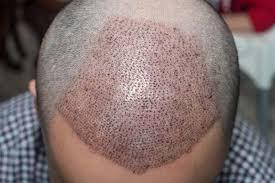
Hair loss can be a gradual process that affects both appearance and confidence. Some people notice a receding hairline, while others experience thinning around the crown or reduced density across larger areas of the scalp. When everyday styling no longer provides the desired coverage, hair restoration may become an option worth exploring.
For beginners, the idea of having a Hair Transplant in Dubai can seem complicated. There are different techniques, treatment stages, recovery requirements, and factors that influence the final outcome. Understanding these basics can make the process easier to navigate.
A hair transplant involves moving healthy hair follicles from a donor area to areas experiencing significant thinning or baldness. Modern procedures focus on creating results that blend naturally with the patient's existing hair. However, successful treatment requires careful planning rather than simply transplanting as many follicles as possible.
What Is a Hair Transplant?
A hair transplant is a surgical procedure designed to restore hair in areas where natural growth has become limited. Healthy follicles are collected from a suitable donor region and transferred to the recipient area.
The transplanted follicles can eventually produce new hair growth. Because the follicles come from the patient's own scalp, the restored hair is designed to integrate with the surrounding hair.
The procedure can be used to address several concerns, including:
- Receding hairlines
- Pattern baldness
- Crown thinning
- Localized bald patches
- Reduced hair density
- Certain forms of hair loss caused by scarring
Not every type of hair loss is suitable for transplantation, so professional evaluation is an important first step.
Why Is Hair Loss Different for Everyone?
Before considering transplantation, it is useful to understand that hair loss does not follow one universal pattern.
Genetics can strongly influence hair loss, particularly in cases of male or female pattern baldness. However, hormonal changes, aging, nutritional problems, stress, medications, and scalp disorders can also contribute.
The cause of hair loss may determine whether a transplant is appropriate. In some situations, treating the underlying problem may be recommended before considering surgery.
Who May Be a Suitable Candidate?
A person may be considered for transplantation when they have a stable or predictable pattern of hair loss and sufficient healthy donor follicles.
Potential candidates may include people with:
Receding Hairlines
A receding front hairline can change facial proportions. Carefully placed grafts may help create a more balanced appearance.
Crown Thinning
Hair transplantation may be considered for suitable individuals with thinning around the crown, depending on donor availability.
Pattern Baldness
People experiencing hereditary hair loss may benefit when adequate donor follicles remain.
Localized Hair Loss
Some individuals develop isolated areas of hair loss because of previous injuries or other causes. Transplantation may sometimes be considered in these situations.
A consultation is necessary to determine suitability rather than relying solely on the visible level of hair loss.
Understanding Hair Grafts
The term "graft" is commonly used when discussing hair transplantation.
A graft is a small unit of tissue containing one or more hair follicles. Depending on the patient's natural hair pattern, grafts may contain a single follicle or multiple follicles.
The number of grafts required is not identical for everyone. It depends on the size of the treatment area, existing density, hair characteristics, donor supply, and desired level of coverage.
More grafts do not automatically mean a better result. Strategic placement is equally important.
Common Hair Transplant Techniques
There are several techniques used in modern hair restoration.
FUE Hair Transplant
Follicular Unit Extraction, commonly called FUE, involves removing individual follicular units from the donor area.
The follicles are then prepared and placed into recipient sites.
One advantage of this approach is that it avoids the long linear incision associated with strip harvesting.
FUT Hair Transplant
Follicular Unit Transplantation involves removing a strip of donor scalp. Individual follicular units are then separated from the strip and transplanted.
FUT can still be appropriate for certain patients, depending on their donor characteristics and treatment objectives.
DHI Hair Transplant
Direct Hair Implantation uses specialized implantation tools to place prepared follicles into the recipient area.
The technique may allow careful control over the direction and placement of individual grafts.
The most suitable method depends on individual circumstances rather than simply choosing the newest-sounding technique.
How Is a Natural Hairline Created?
For beginners, one of the most important things to understand is that hair transplantation is not simply about filling empty spaces.
Hairline design has a major impact on the final appearance.
A natural hairline generally contains irregularities and gradual transitions rather than a perfectly straight edge. The direction and angle of the follicles should also complement the patient's existing hair.
Factors considered during planning can include:
- Age
- Facial proportions
- Existing hairline
- Hair thickness
- Hair texture
- Donor supply
- Future hair-loss potential
A well-planned hairline can help transplanted hair blend more naturally with existing growth.
What Happens Before the Procedure?
The process usually begins with consultation and examination.
The scalp and donor area may be assessed to determine hair density and follicular quality. The recipient area is also evaluated to identify where grafts could provide the greatest visual improvement.
A treatment plan can then be developed around the patient's goals.
Before treatment, patients may receive instructions regarding medications, supplements, alcohol, smoking, hair products, and scalp preparation.
Following these instructions carefully can help create better conditions for the procedure and recovery.
What Happens During Hair Transplantation?
The exact process depends on the selected technique.
Generally, the donor area is prepared before follicles are harvested. The collected grafts are handled carefully and prepared for implantation.
The recipient area is then prepared according to the planned hairline and density pattern. Grafts are positioned individually or using the chosen implantation technique.
The number of hours required depends on the size of the treatment area and the number of grafts involved.
Is Recovery Difficult?
Recovery varies between individuals.
During the first few days, the scalp may show redness, swelling, tenderness, or small crusts around the grafts. These effects can gradually improve as healing progresses.
Patients should follow their individualized aftercare instructions carefully.
Typical precautions may include:
- Avoiding unnecessary touching of the scalp
- Following recommended washing instructions
- Protecting the scalp from direct sunlight
- Avoiding strenuous exercise temporarily
- Sleeping according to post-treatment guidance
- Avoiding scratching or picking at crusts
Following professional instructions is particularly important during the early healing period.
What Happens to Transplanted Hair After Surgery?
One of the most confusing aspects for beginners is the possibility of temporary hair shedding.
Some transplanted hair shafts may shed during the early stages after treatment. This does not necessarily mean that the procedure has failed.
The follicle can remain beneath the skin while entering a new growth cycle. New hair may gradually emerge later.
Because hair grows slowly, patients need to be patient when evaluating their results.
When Will Results Become Visible?
Hair transplantation requires time.
During the first several weeks, the scalp is primarily focused on healing. Early hair shedding can occur, followed by a gradual growth phase.
Visible improvement usually develops progressively rather than appearing overnight.
The final appearance depends on individual growth patterns, graft survival, hair characteristics, treatment area, and overall hair health.
How Can You Support the Results?
Good aftercare is an important part of the restoration journey.
Patients should follow all instructions concerning scalp washing, sun protection, physical activity, medications, and hair products.
Long-term hair care can also matter. Existing non-transplanted hair may continue to thin due to the original cause of hair loss. Professional monitoring can therefore help identify future changes.
A healthy lifestyle, balanced nutrition, adequate sleep, and appropriate scalp care can also support general hair health.
Common Mistakes Beginners Should Avoid
People researching Hair Transplant in Dubai may encounter many unrealistic claims online. Some common mistakes include choosing a procedure based only on price, expecting immediate results, or assuming that a particular technique is suitable for everyone.
Other mistakes include:
- Comparing results without considering individual differences
- Ignoring donor hair limitations
- Expecting a very low hairline without considering future hair loss
- Neglecting aftercare
- Judging the result too early
- Choosing a technique solely because it is popular
A proper consultation can help replace assumptions with realistic expectations.
Frequently Asked Questions
Is hair transplantation suitable for younger people?
Age alone does not determine suitability. Hair-loss stability, donor supply, and future progression are important considerations.
Can transplanted hair look natural?
Yes. Natural-looking results depend heavily on hairline design, graft selection, placement, direction, density, and individual hair characteristics.
Can transplanted hair grow normally?
Once successfully established, transplanted follicles can produce hair that grows naturally. The maturation process takes time.
How long should I wait before judging the result?
Hair growth is gradual, so the final result should not be judged during the early healing period. Professional follow-up can provide a more appropriate assessment.
Can women undergo hair transplantation?
Women can be candidates in selected cases. The cause and pattern of hair loss should first be assessed to determine whether transplantation is appropriate.
Conclusion
A Hair Transplant in Dubai can be an effective option for suitable individuals who want to address permanent thinning or bald areas. For beginners, understanding the basics—from identifying the cause of hair loss and evaluating donor follicles to selecting a suitable technique and following aftercare—is essential.
The goal should not simply be to add the maximum number of hairs. Instead, treatment should focus on creating balanced, natural-looking coverage while using donor follicles responsibly.
Tajmeels clinic can be considered when researching hair restoration options and learning more about personalized approaches to hair transplantation.
With realistic expectations, proper planning, patience, and appropriate aftercare, hair restoration can become a positive step toward improving hair coverage and confidence.

 Bangla