


Chemical Peel Treatment: Best Options for Your Skin Type
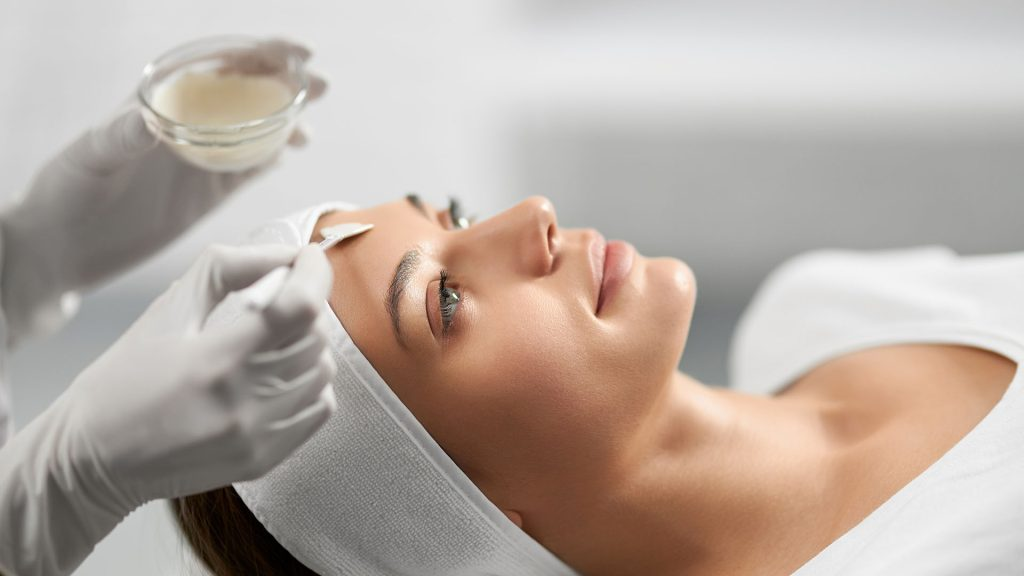
Choosing the right chemical peel can make a significant difference in how your skin looks and feels. If you are considering Chemical peel treatment in Dubai, understanding which peel suits your skin type is an important first step. Different peels use different active ingredients and strengths, so the best option depends on whether your main concern is acne, pigmentation, dryness, uneven texture, fine lines, or dullness.
Why Choosing the Right Chemical Peel Matters
Chemical peels work by applying a carefully selected solution to the skin to remove damaged surface cells and encourage healthier-looking skin underneath. However, not every peel is appropriate for every person.
The concentration, ingredients, application time, and depth of the peel can all affect the outcome. A peel that works well for oily, acne-prone skin may not be the best choice for someone with dry or sensitive skin.
For this reason, professional assessment is important before treatment. A qualified skincare professional can consider your skin type, concerns, previous treatments, and tolerance before recommending an appropriate formula.
The most common concerns addressed with professional peels include:
- Uneven skin tone and pigmentation
- Acne and clogged pores
- Rough or dull skin texture
- Fine lines and early signs of aging
- Post-acne marks
- Sun-related skin changes
Best Chemical Peels for Oily and Acne-Prone Skin
People with oily or acne-prone skin often benefit from ingredients that help exfoliate inside and around clogged pores. Salicylic acid peels are commonly considered for this skin type because salicylic acid is oil-soluble and can penetrate into pores.
A salicylic acid peel may help reduce excess oil, remove dead skin cells, and improve the appearance of blackheads and congestion. It can also be useful for people dealing with post-acne discoloration, although treatment should be customized according to the severity and type of pigmentation.
Another option is a glycolic acid peel, which uses an alpha hydroxy acid (AHA) to exfoliate the skin's surface. Depending on its concentration and formulation, it may improve dullness, uneven texture, and mild pigmentation while giving the complexion a smoother appearance.
For active acne, however, the goal should not simply be stronger exfoliation. Excessive irritation can make the skin barrier more vulnerable, so peel strength and treatment frequency should be professionally selected.
Suitable Options for Dry or Dull Skin
Dry skin needs a different approach because aggressive exfoliation can increase irritation and discomfort. A mild lactic acid peel may be a suitable option for some people because lactic acid is an AHA that provides exfoliation while generally being considered gentler than stronger peel formulations.
Lactic acid can help remove accumulated dead skin cells and improve the appearance of dull, uneven skin. With an appropriate formulation, it may be considered when someone wants brighter-looking skin without an unnecessarily aggressive treatment.
Mandelic acid is another option that may be considered for individuals who need a gentler exfoliating approach. Its larger molecular structure means it tends to penetrate the skin more slowly than some other AHAs.
Still, dry skin does not automatically mean a peel is suitable. If the skin is cracked, inflamed, severely irritated, or has a compromised barrier, treatment may need to be postponed until the skin becomes healthier.
Chemical Peels for Sensitive Skin
Sensitive skin requires particularly careful treatment selection. A stronger peel is not necessarily a better peel, and excessive exfoliation may lead to redness, burning, peeling, or prolonged irritation.
For sensitive skin, professionals may consider milder acids, lower concentrations, shorter contact times, or gradual treatment plans. Mandelic or lactic acid formulations may sometimes be considered depending on the individual's skin condition.
Before treatment, tell your provider if your skin frequently becomes irritated or if you have recently used exfoliating acids, retinoids, or other potentially irritating skincare products. This information can help determine whether your skin is ready for a peel.
A patch test or other precaution may also be recommended depending on the product and treatment protocol.
Best Options for Pigmentation and Uneven Skin Tone
Hyperpigmentation can have several causes, including acne marks, sun exposure, hormonal changes, and inflammation. Because the underlying cause varies, the ideal peel should be selected carefully rather than simply choosing the strongest available formula.
Glycolic acid may be used in professional treatments to improve surface pigmentation and skin texture. Other formulations may combine different acids or ingredients to target discoloration more comprehensively.
For people with darker skin tones, treatment requires particular attention because inflammation can sometimes trigger or worsen post-inflammatory hyperpigmentation. A personalized approach can help reduce unnecessary irritation and support more predictable results.
If pigmentation is persistent, rapidly changing, or difficult to identify, professional evaluation is important before starting any cosmetic treatment.
Chemical Peels for Fine Lines and Uneven Texture
As skin ages, natural cell turnover can slow, contributing to dullness, rough texture, and the appearance of fine lines. Superficial chemical peels can help exfoliate damaged surface cells and reveal smoother-looking skin.
Glycolic acid is frequently used in professional exfoliation because it can effectively target surface buildup. Depending on the treatment depth and formulation, chemical exfoliation may also support a more even-looking texture.
However, chemical peels are not a replacement for treatments designed to address deeper wrinkles or significant skin laxity. They are generally more appropriate for improving surface-level concerns.
Consistent sun protection is also essential. Without daily broad-spectrum sunscreen, UV exposure can continue contributing to pigmentation, premature aging, and uneven texture.
How Professionals Choose the Right Peel
There is no single chemical peel that is best for everyone. The choice depends on several factors rather than skin type alone.
During a consultation, a professional may assess:
- Skin type: Whether the skin is oily, dry, combination, or sensitive.
- Primary concern: Acne, pigmentation, dullness, texture, or fine lines.
- Skin tone: The risk of pigmentation changes can vary between individuals.
- Current skincare routine: Retinoids, acids, and other active products may affect treatment preparation.
- Skin condition: Irritation, inflammation, active infections, or a damaged skin barrier may affect eligibility.
- Desired downtime: Some people prefer a very mild peel with minimal visible peeling, while others may be comfortable with more recovery.
This assessment helps determine the most appropriate acid, concentration, application technique, and treatment schedule.
What to Expect After a Chemical Peel
Recovery depends largely on the type and strength of the peel. Some superficial treatments cause little visible peeling, while others may result in several days of dryness, flaking, or peeling.
Immediately after treatment, the skin may feel warm, tight, or mildly sensitive. These sensations are often temporary, but significant pain, swelling, blistering, or persistent irritation should be assessed by a medical professional.
During recovery, gentle skincare is generally important. Avoid picking or peeling the skin manually, as this can increase irritation and potentially contribute to discoloration or scarring.
Your provider may recommend a simple routine focused on cleansing, moisturizing, and sun protection. Strong exfoliants and other active ingredients may need to be paused temporarily.
How to Get Better Results From Your Peel
The quality of your result depends not only on the peel itself but also on preparation and aftercare. Following professional instructions can reduce unnecessary irritation and support the skin's recovery.
Before treatment, discuss all skincare products and recent cosmetic procedures with your provider. Avoid making last-minute changes to your routine unless you have been advised to do so.
After treatment, protect the skin from direct sun exposure and use sunscreen as recommended. Since UV exposure can worsen pigmentation, sun protection is particularly important after exfoliating procedures.
It is also worth remembering that chemical peels often work progressively. Depending on your skin concern and treatment depth, multiple sessions may be recommended rather than expecting one treatment to address every issue.
Conclusion
The best peel is the one selected according to your individual skin type, concerns, skin tone, and tolerance rather than simply choosing the strongest formula. Oily and acne-prone skin may benefit from salicylic acid, while lactic or mandelic acid may be considered for some people with dry or sensitive skin. Glycolic acid can be useful for concerns such as dullness, uneven texture, and certain types of pigmentation.
If you are considering Chemical peel treatment, a professional consultation can help determine which formulation and treatment approach is most appropriate for your skin and goals. With suitable selection, preparation, and aftercare, a personalized peel plan can help support smoother, brighter, and more even-looking skin.

 Bangla