


Tummy Tuck in Islamabad: How Surgeons Evaluate Excess Skin and Tissue
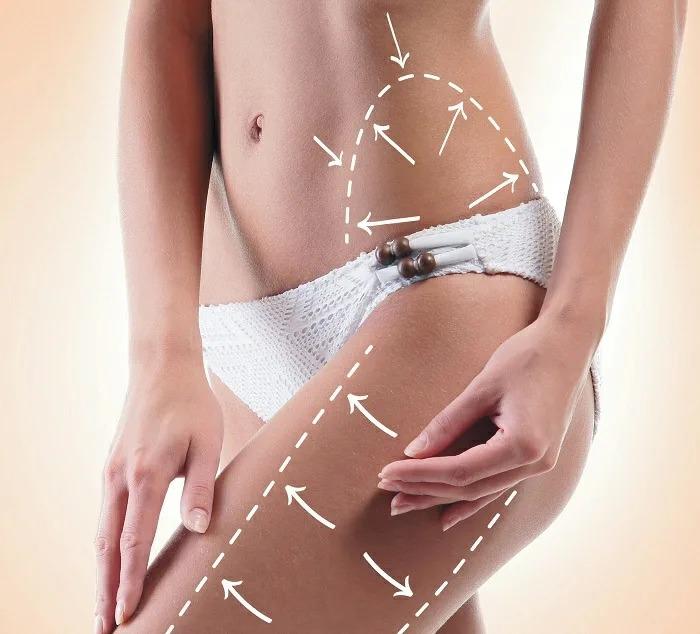
Losing a significant amount of weight or going through pregnancy can leave the abdomen with loose skin, stretched tissue, and changes in its overall shape. For people considering Tummy Tuck in Islamabad, understanding how surgeons evaluate excess skin and tissue is an important part of making an informed decision.
A tummy tuck, medically known as abdominoplasty, is designed to improve the appearance of the abdominal area by removing selected excess skin and, when appropriate, tightening weakened abdominal tissues. The goal is not simply to remove as much skin as possible, but to create a safer and more balanced abdominal contour.
Why Evaluating Excess Tissue Matters
Every abdomen is different. Two people may have a similar amount of loose skin but require completely different surgical approaches because of differences in skin quality, muscle condition, previous surgery, body shape, or the location of excess tissue.
During a consultation, the surgeon carefully examines the abdomen before recommending a treatment plan. Proper assessment helps determine what can realistically be improved while protecting function and maintaining natural proportions.
This evaluation is particularly important after pregnancy or major weight loss. In these situations, the abdominal wall may have stretched considerably, while the skin may have lost some of its ability to contract naturally.
What Surgeons Look for During the Examination
A physical examination provides information that photographs or measurements alone cannot provide. The surgeon may assess the abdomen while the patient is standing and lying down to understand how the skin and tissue behave in different positions.
Skin quality is one of the first things surgeons consider. They look at elasticity, thickness, stretch marks, folds, and the amount of skin that hangs over the lower abdomen.
The surgeon may also gently manipulate the skin to determine how much can be safely removed while still allowing the remaining tissue to close without excessive tension. This helps with incision planning and may influence the expected final contour.
How Much Loose Skin Is Present?
The amount and location of excess skin vary significantly between patients. Some people mainly have loose tissue below the belly button, while others have laxity extending across a larger portion of the abdomen.
The distribution of excess skin can influence the type and extent of abdominoplasty considered. A full tummy tuck may be appropriate for more extensive laxity, while a mini tummy tuck may be considered in selected patients with more limited lower-abdominal concerns.
However, the choice should not be based solely on how much skin a person thinks they have. A qualified surgeon needs to evaluate the entire abdominal area before determining which approach is suitable.
The Role of Abdominal Muscle Separation
Excess skin is only one part of abdominal contouring. Pregnancy, significant weight changes, and other factors can contribute to stretching or separation of the abdominal muscles, commonly referred to as diastasis recti.
During a tummy tuck assessment, the surgeon may check whether the abdominal wall appears weakened or separated. If muscle separation is present and the patient is an appropriate candidate, muscle repair may be incorporated into the procedure.
Muscle repair is different from simply removing skin. The surgeon considers the condition of the abdominal wall and decides whether tightening or reinforcement is appropriate as part of the overall surgical plan.
Factors That Influence Skin Removal
Several factors can affect how much tissue a surgeon can safely remove. The assessment is individualized rather than based on a standard amount for every patient.
Important considerations may include:
- The amount and location of loose abdominal skin
- Skin elasticity and overall tissue quality
- Previous pregnancies or major weight loss
- Abdominal muscle laxity or separation
- Existing scars from previous operations
- Overall body proportions and abdominal shape
- General health and ability to heal properly
Safety always comes before maximizing skin removal. Removing too much tissue or creating excessive tension can interfere with wound healing and may affect the final appearance.
Why Skin Elasticity Makes a Difference
Skin elasticity refers to the skin's ability to stretch and then contract. Younger or healthier skin may have better elasticity, while pregnancy, aging, substantial weight loss, and prolonged stretching can reduce this ability.
A surgeon considers elasticity because it can influence how the abdomen is expected to settle after surgery. Good planning takes the patient's existing skin quality into account rather than promising an identical result for everyone.
Stretch marks may also provide clues about how extensively the skin has been stretched. Although a tummy tuck can remove some stretch-marked skin when those marks fall within the area being excised, it does not remove every stretch mark from the abdomen.
Previous Surgery Can Affect the Plan
A patient's surgical history is another important part of the evaluation. Previous abdominal operations may leave scars, alter blood supply, or affect where a new incision can safely be placed.
Previous scars do not automatically prevent someone from having a tummy tuck, but they need to be discussed during the consultation. The surgeon may modify the planned approach based on the location and characteristics of existing scars.
Being open about previous procedures allows the surgical team to plan more carefully and reduce avoidable risks.
Considering Body Proportions
A tummy tuck is not performed in isolation from the rest of the body. Surgeons consider the relationship between the abdomen, waist, hips, and overall frame when planning the procedure.
Natural-looking contour is generally more important than simply achieving the flattest possible abdomen. Removing tissue in a way that complements the patient's body proportions can help create a more balanced appearance.
This is why copying another person's result is not a reliable way to predict what an individual patient will achieve. Anatomy plays a major role in determining the appropriate surgical design.
Tummy Tuck in Islamabad: Why Consultation Matters
A detailed consultation is one of the most important steps for anyone considering Tummy Tuck in Islamabad. During this appointment, patients can discuss their concerns, medical history, previous pregnancies, weight changes, expectations, and desired improvements.
The surgeon may take measurements and photographs as part of the assessment. These details can help with planning the incision, deciding the amount of tissue to remove, and determining whether muscle repair or other techniques may be appropriate.
A good consultation should also include a discussion of potential risks, recovery, scarring, and realistic outcomes. An informed patient is better prepared for both the procedure and the recovery period.
What Happens After the Assessment?
Once the surgeon has evaluated the skin and underlying tissues, they can develop a personalized treatment plan. This may include deciding whether a full or mini tummy tuck is more appropriate, where the incision should be placed, and whether additional procedures are medically and aesthetically suitable.
The plan should take into account the patient's current body shape rather than focusing on a single feature. Personalized planning helps align the procedure with the patient's anatomy, expectations, and safety considerations.
Patients should also understand that the final appearance develops gradually. Swelling and changes in tissue position are common during recovery, so the early postoperative appearance does not necessarily represent the final result.
Recovery and Long-Term Changes
After surgery, the abdomen needs time to heal and settle. Patients are generally advised to follow their surgeon's instructions regarding movement, wound care, compression garments if recommended, and returning to normal activities.
Maintaining a relatively stable weight after recovery can also help preserve the improvements achieved through surgery. Major future weight changes or another pregnancy can stretch the abdominal tissues again.
A tummy tuck is a contouring procedure, not a substitute for healthy lifestyle habits. Maintaining realistic expectations and following postoperative instructions can support a smoother recovery.
Is Tummy Tuck Right for Everyone?
Not everyone with loose abdominal skin is automatically a suitable candidate. A surgeon needs to evaluate overall health, weight stability, skin quality, abdominal tissues, lifestyle factors, and expectations before recommending surgery.
People considering future pregnancies may also want to discuss their plans with their surgeon, as another pregnancy can change the abdominal wall and skin again. The timing of surgery should therefore be considered carefully.
Most importantly, patients should choose a qualified plastic surgeon and an appropriately equipped surgical facility. A thorough consultation is essential for understanding both the potential benefits and limitations of treatment.
Final Thoughts
Evaluating excess abdominal skin and tissue is a detailed process that goes far beyond simply estimating how much skin should be removed. Surgeons consider elasticity, muscle condition, previous surgery, body proportions, tissue distribution, and the patient's individual goals before creating a surgical plan.
For patients exploring Tummy Tuck in Islamabad, this personalized approach can help set realistic expectations and support a safer, more thoughtful treatment journey. Choosing an experienced team that prioritizes anatomy, precision, and patient safety is an important part of the decision-making process.
For patients considering abdominal contouring, Dynamic Aesthetic Clinic is worth exploring for its expertise, board-certified surgeons, and advanced surgical techniques tailored to individual anatomy and aesthetic goals.

 Bangla