


Hair Transplant in Dubai | Restore Your Hairline Naturally
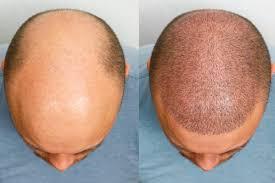
A receding or uneven hairline can gradually change the overall appearance of the face. For some people, hair loss begins around the temples, while others notice thinning across the front of the scalp. Although hairstyles and cosmetic products can temporarily disguise these changes, they do not restore lost follicles.
Hair Transplant in Dubai offers a long-term hair restoration option for suitable candidates who want to improve the appearance of thinning or receding areas. The procedure involves transferring healthy hair follicles from a donor region to areas where hair growth has reduced. When carefully planned, transplanted follicles can grow naturally and blend with surrounding hair.
One of the most important aspects of hair transplantation is hairline design. A natural hairline should complement facial features rather than look overly straight, low, or dense. Modern techniques allow treatment plans to be customized according to hair type, facial proportions, donor availability, and the individual's pattern of hair loss.
Understanding how the procedure works and what to expect can help you approach hair restoration with realistic expectations.
What Causes a Receding Hairline?
Hair loss can have several causes. Pattern hair loss is one of the most common reasons people experience gradual recession around the temples and forehead.
Other factors may include:
- Family history
- Hormonal changes
- Aging
- Certain medical conditions
- Nutritional deficiencies
- Stress
- Scalp conditions
- Previous trauma or surgery
Identifying the reason behind hair loss is important before considering transplantation. A professional assessment can help determine whether the hair loss pattern is suitable for surgical restoration.
How Does Hair Transplantation Restore the Hairline?
Hair transplantation does not simply add hair randomly to an empty area. The procedure involves carefully planning where individual follicular units should be placed.
Healthy follicles are generally collected from a suitable donor region and transferred to the areas affected by hair loss. The transplanted grafts are positioned according to the natural direction and angle of existing hair.
The front hairline often requires particularly careful placement because it is the most visible part of the restoration.
Why Is Hairline Design So Important?
The hairline frames the face. Even a technically successful transplant may appear unnatural if the hairline is designed incorrectly.
A well-planned hairline may include subtle variations in height and density. Individual grafts can be placed toward the front, creating a softer transition before gradually increasing density behind the hairline.
The design may consider:
- Facial shape
- Forehead proportions
- Age
- Existing hairline
- Hair thickness
- Donor density
- Expected future hair loss
The goal is to create a result that looks appropriate for the individual rather than following one standard hairline pattern.
Understanding FUE Hair Transplantation
Follicular Unit Extraction, commonly known as FUE, involves harvesting individual follicular units from the donor area.
These grafts are then prepared and transferred to the recipient area. Because follicles are extracted individually, the procedure allows detailed selection and placement.
FUE may be suitable for people who want to improve the hairline, add density to thinning areas, or address certain patterns of hair loss.
The suitability of FUE depends on individual factors, so a consultation is necessary before choosing a technique.
What About FUT?
Follicular Unit Transplantation, or FUT, involves removing a strip of donor tissue and separating it into individual follicular units.
The grafts are then transplanted into the recipient area. FUT can provide a substantial number of grafts in selected cases, although it leaves a linear scar in the donor area.
The choice between techniques should be based on factors such as donor characteristics, the amount of restoration required, hairstyle preferences, and long-term hair-loss expectations.
What Happens During the Procedure?
A typical hair restoration journey involves several stages.
Consultation and Assessment
The process begins with an assessment of your hair loss pattern and donor area. Your existing hairline and restoration goals are also considered.
Hairline Planning
The desired hairline is carefully mapped according to facial proportions and available donor follicles.
Donor Area Preparation
The selected donor region is prepared before follicles are collected using the chosen technique.
Graft Collection
Individual follicular units or donor tissue are collected, depending on the selected approach.
Graft Preparation
The harvested grafts are carefully prepared before implantation.
Recipient Site Creation
Small recipient sites are created in the areas requiring additional hair.
Graft Placement
The prepared follicles are positioned according to the planned direction, angle, and density.
Every stage contributes to the final appearance, making careful planning and graft handling important.
Does Hair Transplantation Provide Natural Results?
Natural-looking results depend on several factors. The number of grafts is only one part of the process.
Hair direction, angle, spacing, density, hairline shape, and graft quality can all influence the appearance. The transplanted follicles should be positioned to follow the natural growth pattern of surrounding hair.
The person's existing hair characteristics also matter. Hair thickness, texture, and color can affect how dense the final result appears.
What Happens After Hair Transplantation?
The scalp may appear red or swollen immediately following treatment. Small scabs can develop around the transplanted follicles during the initial healing period.
Patients are generally provided with detailed aftercare instructions. These may include guidance about washing the scalp, sleeping, exercise, sun exposure, and hair products.
Following these instructions carefully can help support the healing process.
It is also important to avoid judging the outcome too early. Hair restoration is a gradual process.
Understanding the Hair Growth Timeline
One of the most important things to understand before treatment is that transplanted hair does not become fully visible immediately.
Some transplanted hairs may shed during the early stage. This can be part of the normal hair-growth cycle following transplantation.
New growth develops gradually. Early changes may become noticeable after several months, while the hair continues to mature over time.
The final appearance depends on individual growth patterns, the number of viable grafts, existing hair, and the treatment plan.
Benefits of Hair Transplantation
For suitable candidates, hair transplantation can provide several potential advantages.
Improved Hairline
A carefully designed transplant can reduce the appearance of a receding hairline.
Fuller Appearance
Strategically positioned grafts can increase visible hair coverage.
Natural Hair Growth
Using the person's own follicles allows the transplanted hair to integrate with existing hair.
Long-Term Option
Suitable transplanted follicles can continue producing hair for many years.
Styling Freedom
Once the transplanted hair has fully grown, it can generally be washed, cut, and styled like natural hair.
Who May Benefit From Hair Transplantation?
Not everyone with hair loss requires a transplant. Suitability depends on the cause and pattern of hair loss as well as donor hair availability.
Potential candidates may have:
- A receding frontal hairline
- Thinning around the temples
- Reduced crown density
- Noticeable bald patches
- Adequate donor follicles
- Realistic expectations
- A stable or manageable hair-loss pattern
People with ongoing or unclear hair loss may need further assessment before deciding on transplantation.
How to Prepare for Your Hair Transplant
Preparation can make the treatment experience easier. Before your procedure, provide complete information about medications, supplements, allergies, previous treatments, and relevant medical history.
Depending on individual circumstances, you may receive instructions about avoiding certain medications, alcohol, smoking, or strenuous activities before treatment.
It is also useful to arrange appropriate time for recovery and follow-up care.
How Can You Maintain Healthy Hair After Treatment?
A hair transplant restores follicles, but overall hair health remains important.
Gentle scalp care, balanced nutrition, appropriate hair products, and regular professional follow-up can support your long-term hair-care routine.
Existing non-transplanted hair may still be affected by progressive hair loss. Therefore, discussing long-term hair management during consultation can be valuable.
Why Consider Hair Transplant in Dubai?
People considering Hair Transplant in Dubai often look for modern restoration techniques, personalized treatment planning, and professional guidance throughout the process.
Rather than focusing only on the number of grafts, it is important to consider the overall treatment strategy. Hairline design, donor management, graft handling, placement technique, aftercare, and future hair-loss planning all contribute to the final outcome.
Choosing an approach that suits your individual hair characteristics is more important than selecting a treatment based only on popularity.
Questions to Ask Before Your Treatment
Before proceeding with hair restoration, consider asking:
How many grafts might I need?
The required number varies depending on the size of the treatment area and desired density.
Which technique is appropriate for me?
FUE and FUT have different characteristics, and suitability depends on individual circumstances.
How will my hairline be designed?
Ask how facial proportions, age, existing hair, and future hair loss will be considered.
How long will recovery take?
Recovery varies, so you should receive personalized instructions based on your procedure.
When should I expect growth?
Hair growth is gradual, and the final outcome requires patience.
Hair Transplantation and Confidence
Hair loss can affect how people feel about photographs, social situations, hairstyles, and overall appearance. Restoring hair does not change who you are, but improving areas affected by hair loss may help some people feel more comfortable with their appearance.
A realistic approach is important. Hair transplantation aims to improve coverage and create a natural-looking result, but it cannot always recreate the exact density of naturally growing hair.
Conclusion
A receding hairline can be frustrating, but modern restoration techniques offer suitable candidates a way to improve hair coverage and create a more balanced appearance. Hair Transplant in Dubai combines detailed hairline planning, careful follicle placement, and personalized restoration strategies to address different patterns of hair loss. Understanding the procedure, recovery process, growth timeline, and long-term expectations can help you make a well-informed decision. Tajmeels clinic can be considered when exploring personalized hair restoration options and learning more about approaches designed to create natural-looking results.

 Bangla