


Acne can influence many aspects of the complexion, from visible breakouts and excess oil to uneven texture, redness, and lingering marks. Because of this, acne treatment is not always focused only on making individual pimples disappear. Many people also want to improve the overall quality and appearance of their skin. Individuals researching علاج حب الشباب في دبي often ask whether professional acne care can support healthier-looking skin over time. The answer depends on the underlying acne concerns, skin type, treatment approach, and consistency of ongoing skincare. By managing active breakouts while supporting the skin barrier, hydration, texture, and clarity, an individualized acne strategy may contribute to a more balanced and refined complexion.
Understanding Overall Skin Quality
What Does Skin Quality Include?
Skin quality can involve several visible characteristics, including clarity, texture, hydration, tone, and overall smoothness.
How Acne Can Affect Skin
Recurring acne may contribute to inflammation, congestion, redness, roughness, and post-acne marks.
Why Long-Term Care Matters
Improving skin quality is generally an ongoing process that involves both professional treatment and appropriate daily skincare.
How Acne Treatment May Support Skin Quality
Managing Active Breakouts
Reducing recurring acne can help limit inflammation and prevent new blemishes from continually affecting the complexion.
Addressing Congestion
Managing blocked pores can support a cleaner and more refined-looking skin surface.
Supporting Skin Clarity
When breakouts and congestion become better controlled, the complexion may appear more even and balanced.
Many individuals visit Dynamic Life Clinic in Dubai to discuss acne and broader skin-quality concerns and explore personalized treatment strategies based on their individual skin needs.
Supporting Better Skin Texture
Reducing Surface Congestion
Accumulated oil and dead skin cells can contribute to a rough-looking complexion.
Encouraging Appropriate Skin Renewal
Selected professional treatments may support the removal of surface buildup and improve the appearance of uneven texture.
Recognizing Deeper Scarring
Indented or raised acne scars involve structural changes and may require specialized treatments beyond standard acne management.
Managing Excess Oil
Why Sebum Balance Matters
Natural oil supports the skin, but excessive sebum can contribute to congestion and visible shine.
Avoiding Over-Cleansing
Trying to remove all oil may cause dryness and irritation.
Choosing Suitable Products
Lightweight and non-comedogenic products may be appropriate for many acne-prone individuals.
Supporting Skin Hydration
Why Moisture Matters
Dehydrated skin can appear rough, dull, or uncomfortable.
Maintaining the Skin Barrier
A suitable moisturizer can help support the skin's protective barrier.
Balancing Hydration and Acne Care
Acne treatment should ideally manage breakouts without unnecessarily compromising skin comfort.
Improving the Appearance of Skin Tone
Managing Inflammation
Persistent redness can make the complexion appear uneven.
Supporting Post-Acne Mark Care
Some discoloration may remain after acne has healed and can affect overall skin appearance.
Protecting Against Environmental Exposure
Daily sun protection can help preserve a more even-looking complexion.
Professional Treatments That May Help
Chemical Peels
Certain professionally selected peels can exfoliate the skin and may help improve the appearance of congestion and unevenness.
Deep-Cleansing Procedures
Professional cleansing can help remove accumulated oil and impurities from congested areas.
Personalized Home Care
A suitable daily skincare routine can complement professional treatment and help maintain progress.
The Importance of Skin Type
Oily Skin
Treatment may focus more heavily on sebum management and congestion.
Dry Skin
Care may need to emphasize hydration and protection of the skin barrier.
Sensitive Skin
Gentler treatment choices may be appropriate to reduce unnecessary irritation.
Combination Skin
Different areas may require different levels of oil control and hydration.
Lifestyle Habits and Skin Quality
Balanced Nutrition
A varied diet supports overall wellness and normal body functions.
Adequate Hydration
Maintaining good fluid intake can complement daily skincare.
Quality Sleep
Consistent sleep can contribute to general well-being and a more rested appearance.
Stress Management
Healthy approaches to managing stress can support overall wellness and consistent self-care.
Habits That Can Reduce Skin Quality
Picking and Squeezing Acne
Manipulating breakouts can increase inflammation and contribute to lingering marks.
Excessive Exfoliation
Too much exfoliation can irritate the skin and weaken its protective barrier.
Inconsistent Skincare
Frequently abandoning and restarting routines can make it harder to maintain progress.
Maintaining Improvements
Follow a Consistent Routine
Regular cleansing, moisturizing, and sun protection can support ongoing skin quality.
Continue Acne Prevention
Controlling new breakouts helps reduce repeated inflammation.
Monitor Changes
Skin conditions can change over time, making occasional professional reassessment useful.
When Additional Treatment May Be Needed
Persistent Texture Changes
Unevenness that remains after active acne is controlled may require specialized care.
Noticeable Acne Scars
Deeper scars may benefit from procedures specifically designed to address textural changes.
Ongoing Inflammation
Persistent redness or painful breakouts may require a more targeted treatment strategy.
Benefits Beyond Appearance
Greater Skin Comfort
Balanced skincare can help reduce unnecessary dryness and irritation.
More Refined Appearance
Clearer pores, reduced inflammation, and improved texture can contribute to a healthier-looking complexion.
Increased Confidence
Many individuals feel more comfortable when their skin looks clearer and more balanced.
Building a Long-Term Skin Strategy
Addressing Multiple Concerns
A comprehensive approach can consider acne, oiliness, texture, hydration, and post-acne changes.
Personalizing Treatment
Individual skin characteristics should guide professional recommendations.
Maintaining Consistency
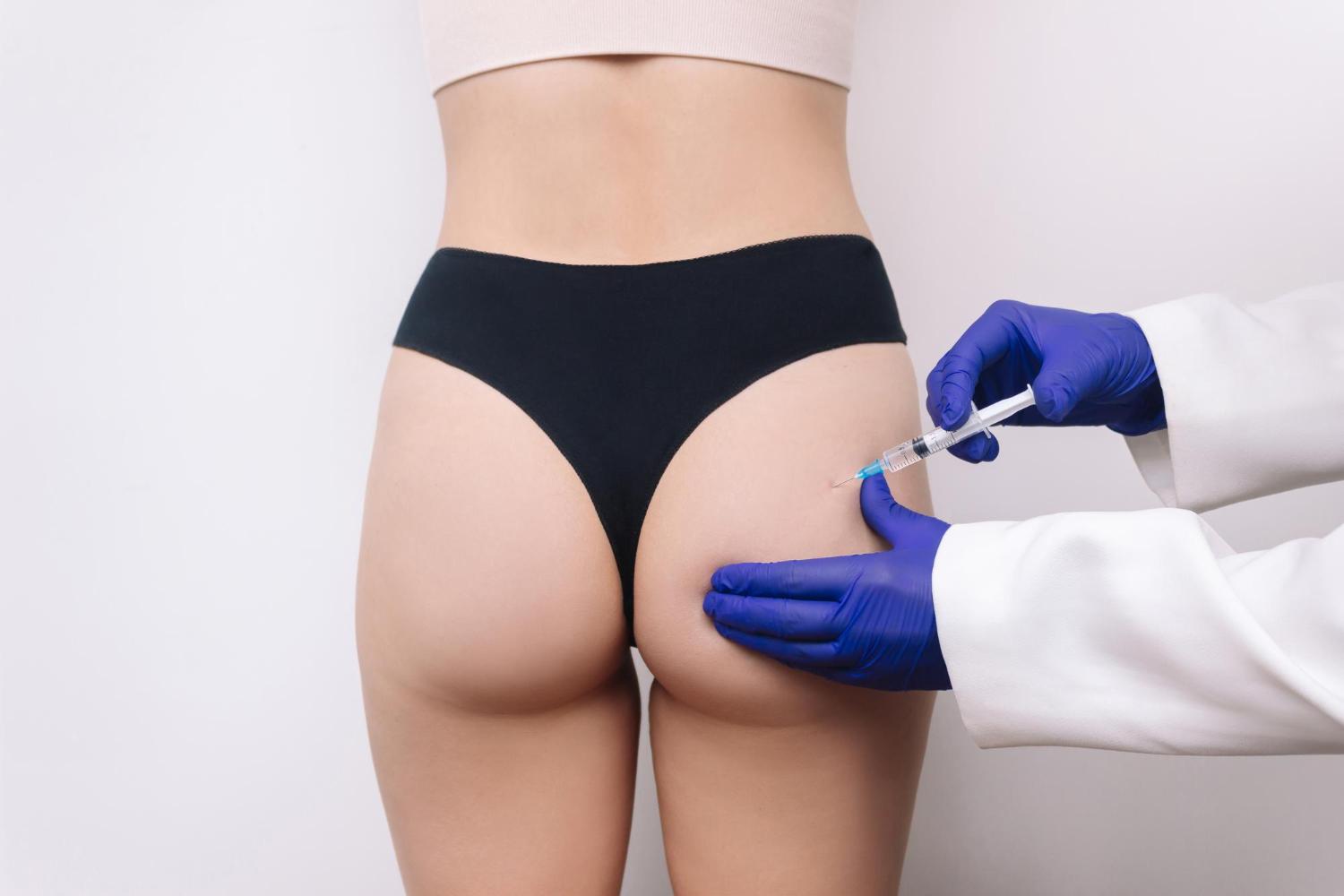
For many individuals, حشوات المؤخرة becomes part of a broader long-term strategy designed to manage breakouts while supporting clarity, texture, hydration, and overall skin quality.
Conclusion
Acne treatment may improve overall skin quality by addressing several concerns that affect the appearance and condition of the complexion. Managing active breakouts and congestion can help create clearer-looking skin, while appropriate exfoliation and professional treatments may support a smoother appearance. Hydration, sun protection, suitable products, and consistent daily care are also important for maintaining the skin barrier and overall appearance. However, deeper acne scars, persistent discoloration, and ongoing inflammation may require specialized approaches rather than standard acne treatment alone. Because every skin type and acne pattern is different, personalized assessment can help determine an appropriate strategy. With consistent treatment and maintenance, individuals can work toward clearer, smoother, more balanced, and healthier-looking skin.
FAQs
Can acne treatment improve overall skin quality?
It may help by reducing breakouts, congestion, inflammation, and other concerns that affect the complexion.
Does acne treatment improve skin texture?
It can improve surface-level unevenness associated with congestion and active acne, while deeper scars may require specialized treatment.
Is hydration important for acne-prone skin?
Yes. Suitable hydration supports the skin barrier and can help maintain skin comfort.
Can lifestyle affect skin quality?
Sleep, hydration, nutrition, stress, and daily skincare habits can all contribute to overall wellness and skin appearance.
How can acne treatment results be maintained?
Consistent skincare, sun protection, acne prevention, healthy habits, and professional follow-up can help support long-term improvements.

