


PRP Hair Treatment: What to Expect From Your Treatment Journey
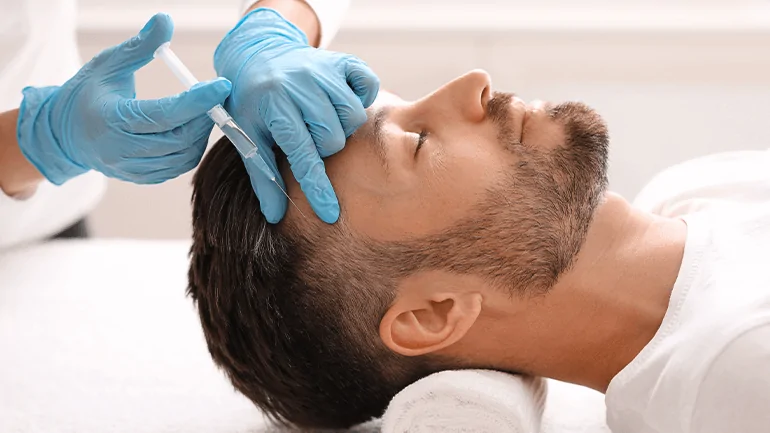
Hair thinning can be an unexpected and frustrating experience. Whether it develops gradually with age or becomes noticeable because of genetic factors, hormonal changes, stress, or other causes, reduced hair density can influence confidence and appearance. As people explore nonsurgical approaches to hair restoration, PRP hair treatment has become an option worth discussing with qualified healthcare professionals.
PRP stands for platelet-rich plasma. The treatment uses a concentrated portion of the patient's own blood and delivers it to selected areas of the scalp. If you are considering PRP, understanding each stage of the treatment journey can help you know what to expect and prepare realistic expectations.
Understanding PRP Hair Treatment
PRP hair treatment is a minimally invasive procedure designed to support existing hair follicles. A small blood sample is collected from the patient and processed to separate the platelet-rich plasma.
Platelets contain naturally occurring growth factors that are involved in the body's normal healing and tissue-repair processes. After preparation, the PRP is injected into areas of the scalp where thinning or reduced density is present.
The treatment is generally intended to support existing follicles rather than create new ones. For this reason, a professional assessment is important before beginning a treatment plan.
Your Initial Consultation
The treatment journey usually begins with a consultation. During this appointment, a qualified provider can examine your scalp, review your medical history, and discuss your hair-loss concerns.
The provider may ask when the thinning started, whether hair loss runs in your family, what treatments you have tried, and whether you have noticed changes in shedding. These details can help identify potential causes.
Your provider should also explain what PRP can and cannot achieve. Since results vary from person to person, realistic expectations are an important part of the consultation.
Determining Whether You Are a Candidate
Not everyone experiencing hair loss is automatically a candidate for PRP hair treatment. The underlying cause, degree of thinning, condition of the scalp, and activity of existing hair follicles can all influence suitability.
PRP may be considered for certain types of non-scarring hair loss, particularly when active follicles remain in affected areas. However, some medical conditions or advanced follicle loss may require other treatment approaches.
A professional diagnosis helps ensure that the underlying cause of hair loss is considered before treatment begins.
Preparing for Your Treatment
Your provider may give you specific preparation instructions before your session. These instructions can vary depending on your health, medications, and the clinic's treatment protocol.
It is important to provide your healthcare professional with accurate information about medications, supplements, allergies, and existing medical conditions. Do not stop prescribed medication unless your healthcare professional specifically advises you to do so.
Following pre-treatment instructions carefully can help make the procedure smoother.
What Happens During a PRP Session?
A typical PRP hair treatment session involves three main stages. First, a small amount of blood is drawn from the patient, usually from the arm.
Next, the sample is processed using specialized equipment to separate the platelet-rich plasma. This concentrates the platelets and prepares the plasma for scalp application.
Finally, the prepared PRP is injected into selected areas of the scalp. The number of injections depends on the size of the treatment area and the provider's technique.
Patients may experience brief pinching or mild discomfort during injections. Discussing comfort measures with your provider before treatment can help you feel more prepared.
What Can You Expect After Treatment?
After PRP hair treatment, some people experience temporary redness, tenderness, swelling, or sensitivity around the injection sites. These effects can vary between individuals.
Your provider will give you aftercare instructions based on the procedure performed. These may include guidance about washing your scalp, exercising, using hair products, and avoiding activities that could irritate the treated area.
Following professional instructions is important for supporting a comfortable recovery.
When Do Results Become Noticeable?
One of the most important things to understand about PRP is that it does not produce instant hair growth. Hair follicles operate according to natural growth cycles, so potential changes generally develop gradually.
Some patients may begin noticing improvements in hair appearance after several weeks or months, while others may require additional time. Follow-up appointments allow the provider to evaluate progress and determine whether further sessions are appropriate.
Taking periodic photographs under similar lighting can also help you compare changes over time.
How Many Treatment Sessions May Be Needed?
The number of sessions varies according to the individual's hair-loss pattern, goals, and response to treatment. Some treatment plans involve multiple sessions scheduled several weeks apart, followed by maintenance treatments.
There is no universal schedule that guarantees the same outcome for everyone. Your provider should create a plan based on your individual circumstances.
Regular follow-up can help determine whether the treatment is providing the desired benefits.
Factors That May Affect Your Results
Several factors can influence the outcome of PRP hair treatment. These may include the cause and severity of hair loss, age, scalp health, existing follicle activity, general health, lifestyle, and consistency with recommended sessions.
The treatment protocol and provider's experience may also influence the overall experience.
Most importantly, PRP should not be viewed as a guaranteed cure for hair loss. Some people may experience noticeable improvements, while others may see limited changes.
Supporting Your Hair Between Sessions
Taking care of your scalp and hair between treatments can complement your overall hair restoration plan. A balanced diet, gentle hair-care practices, adequate sleep, and management of unnecessary stress can support general hair wellness.
Avoiding excessive heat, harsh chemical treatments, and aggressive brushing may also help reduce preventable hair damage.
If your provider identifies a nutritional or medical factor contributing to hair loss, addressing that issue may be an important part of your long-term plan.
Choosing the Right Professional
Choosing a qualified and experienced provider is essential. Before starting treatment, ask about the professional's credentials, experience with PRP, treatment protocol, expected results, potential side effects, and aftercare requirements.
A trustworthy provider should explain both the potential advantages and limitations of PRP and should not promise guaranteed results.
Conclusion
The PRP hair treatment journey typically begins with a consultation and continues through preparation, blood collection, PRP processing, scalp injections, recovery, and follow-up evaluation. Understanding each stage can make the process less intimidating and help patients develop realistic expectations.
PRP may be a useful nonsurgical option for selected individuals experiencing certain types of hair thinning. However, results vary, and suitability depends on the underlying cause of hair loss and the condition of the existing follicles. Consulting a qualified healthcare professional is the best way to determine whether PRP fits your individual hair restoration goals.
For more information visit Royal Hair Transplant clinic in islamabad

 Bangla