


Skin Boosters at Home vs. In-Clinic: Which One Wins?
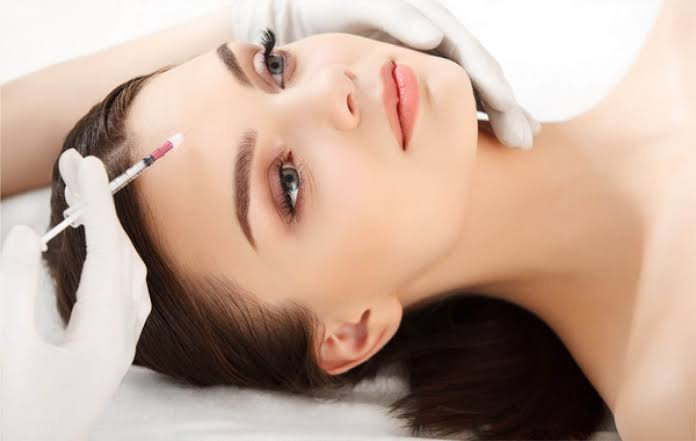
Healthy, hydrated skin has become one of the biggest beauty goals, especially for people who want a fresh, naturally radiant appearance without dramatically changing their features. With the popularity of skin booster dubai treatments, many people are also wondering whether professional procedures are really necessary or if at-home skincare can deliver similar results. While both approaches can support healthier-looking skin, they work in very different ways—and understanding that difference can help you choose wisely.
What Are Skin Boosters?
Skin boosters are treatments designed primarily to improve skin quality rather than change facial structure. Depending on the formulation and technique, they may focus on hydration, smoothness, elasticity, radiance, or overall skin texture.
Unlike traditional skincare products that sit mainly on the surface, professional skin booster procedures can introduce selected ingredients into the skin at controlled depths. This distinction is important because the method of delivery can significantly influence what the skin receives and how effectively it responds.
The Main Goal: Better Skin Quality
The purpose is generally not to create dramatic volume or alter facial proportions. Instead, skin boosters aim to make the skin appear fresher, smoother, and more hydrated.
That makes them particularly appealing to people who feel their complexion looks dull, tired, dehydrated, or less supple than it used to.
At-Home Skin Boosters: What Do They Really Offer?
At-home products can be an excellent part of a consistent skincare routine. Hydrating serums, moisturizers, masks, and barrier-supporting ingredients can help maintain moisture and improve the skin's surface appearance.
For example, ingredients such as hyaluronic acid, glycerin, ceramides, peptides, and certain antioxidants are commonly found in home-use products. When used consistently, they can help support hydration and the skin barrier.
The Advantages of At-Home Care
The biggest benefit is convenience. You can apply skincare products whenever they fit your routine without arranging an appointment or taking time out of your day.
At-home skincare can also be useful for maintenance. A well-designed routine may help preserve hydration between professional treatments and protect the skin from everyday environmental stressors.
However, results tend to depend heavily on consistency. Applying a product once in a while is unlikely to provide the same benefits as using it correctly and regularly.
Where At-Home Products Have Limitations
The skin has a natural barrier that limits how deeply topical ingredients can penetrate. Even when a serum contains effective ingredients, its performance depends on the formulation, molecular size, concentration, skin condition, and application method.
This means a topical product cannot simply be assumed to produce the same effect as a professionally administered treatment. More product does not necessarily mean better results either.
In-Clinic Skin Boosters: How Are They Different?
Professional skin booster treatments take a different approach. Instead of relying solely on topical application, certain formulations can be delivered into the skin through a controlled procedure.
This allows the treatment to target the skin more directly. The exact technique, depth, product, and treatment plan vary depending on the individual's skin and the intended outcome.
More Targeted Delivery
One of the biggest differences between home skincare and professional treatment is delivery. In-clinic procedures are performed using specialized techniques intended to place the selected product within specific areas of the skin.
That targeted approach can be particularly useful when someone wants to address persistent dryness, uneven texture, loss of radiance, or reduced skin suppleness that has not improved enough with topical care alone.
Professional Assessment Matters
Another advantage is personalization. Skin does not behave identically from person to person, so the same product or routine may not be appropriate for everyone.
A qualified skincare professional can assess factors such as skin type, sensitivity, hydration, texture, and existing concerns before recommending an approach. This can reduce the guesswork involved in selecting treatments.
At-Home vs. In-Clinic: Which Performs Better?
The answer depends on what you want to achieve.
If your main goal is everyday hydration and maintaining a healthy skin barrier, at-home skincare is essential. Even people who choose professional treatments still need a good daily routine because long-term skin quality depends on ongoing care.
If your goal is a more intensive improvement in hydration, texture, or overall skin quality, an in-clinic approach may offer benefits that topical products alone cannot replicate.
Convenience vs. Intensity
At-home care wins when convenience is the priority. You can easily incorporate a hydrating serum or moisturizer into your morning and evening routine.
In-clinic treatments, on the other hand, are more intensive and require professional administration. They may involve temporary redness, swelling, or sensitivity depending on the procedure, so aftercare instructions should always be followed carefully.
Maintenance vs. Transformation
Another useful way to look at the comparison is maintenance versus targeted improvement.
Daily skincare helps maintain the skin's condition over time. Professional treatments can provide a more concentrated approach when specific concerns require additional support.
Rather than treating them as competitors, many people find that the two approaches work best together.
What Should You Consider Before Choosing?
Before deciding between an at-home routine and a professional treatment, consider what your skin actually needs.
Ask yourself:
- Is my main concern dehydration or a broader skin-quality issue?
- Have topical products produced enough improvement?
- Am I consistent with my daily skincare routine?
- Do I want gradual maintenance or a more targeted procedure?
- Is my skin sensitive or prone to irritation?
- Am I prepared to follow professional aftercare instructions?
These questions can make the decision much easier.
Don't Confuse Temporary Plumpness With Deep Improvement
Some home products can make skin look noticeably plumper immediately after application. This can happen because the outer layers of the skin become more hydrated.
However, a temporary surface effect should not automatically be compared with the results of a professional treatment. Different delivery methods produce different outcomes, and expectations should reflect that.
Can You Combine Both Approaches?
Absolutely. In fact, combining professional treatments with a thoughtful home routine can make practical sense.
A professional procedure may address a specific skin-quality concern, while daily skincare supports the skin afterward. Gentle cleansing, adequate moisturization, sun protection, and carefully selected active ingredients can all contribute to maintaining healthier-looking skin.
The key is not to overload the skin. Using too many strong products after a professional procedure can cause unnecessary irritation, so following the recommended recovery routine is important.
So, Which One Wins?
There is no universal winner because at-home and in-clinic skin boosters serve different purposes. At-home skincare is the foundation: it is convenient, consistent, and valuable for everyday hydration and barrier support.
In-clinic treatments take a more targeted approach and may be preferable when topical skincare is not delivering the level of improvement you want. Ultimately, the best choice depends on your skin condition, goals, expectations, and willingness to maintain results with proper daily care.
The Bottom Line
If you want simple daily hydration, start with a reliable skincare routine. If persistent concerns remain despite consistent home care, professional skin booster treatments may provide an additional option worth discussing with a qualified practitioner.
The smartest approach is often not choosing one over the other, but understanding what each can realistically accomplish and using the right strategy for your skin.

 Bangla