


HIV Blood Test: Common Questions About HIV Testing
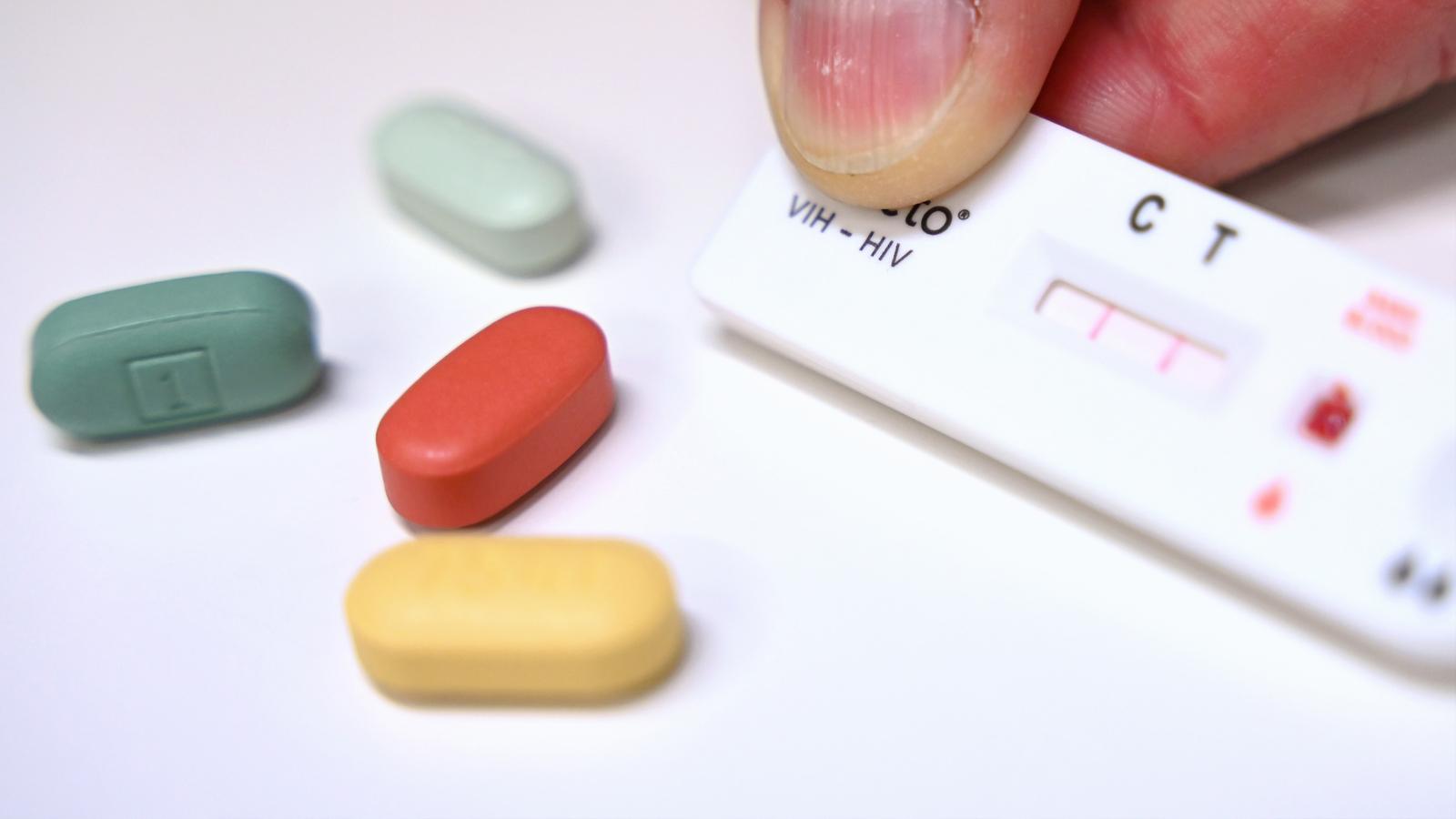
HIV testing can raise many practical questions. People often want to know what happens during a blood test, whether they need to fast, how accurate the result is, when HIV can be detected, and what a positive or negative result actually means.
The good news is that modern HIV Blood Test in Dubai is highly reliable when the appropriate test is performed at the right time. However, understanding the testing method and the HIV window period is important, particularly after a recent potential exposure.
This guide answers some of the most common questions about HIV blood tests in clear, straightforward language.
What Is an HIV Blood Test?
An HIV blood test is a laboratory or point-of-care test that uses a blood sample to look for evidence of HIV infection.
The exact test can vary. Some tests look for HIV antibodies, while others detect both HIV antigen and antibodies. A nucleic acid test, or NAT, looks for HIV genetic material.
A blood sample may be collected from a vein in the arm or, for certain tests, through a finger prick.
Because "HIV blood test" is a broad term, it is useful to ask which specific test is being performed.
Why Do People Get an HIV Blood Test?
HIV testing is used to determine whether someone has acquired HIV.
People may choose or be advised to test because of:
- A recent possible HIV exposure
- Routine sexual health screening
- A new sexual relationship
- Pregnancy or prenatal care
- Symptoms that require medical evaluation
- A healthcare provider's recommendation
- Testing related to PrEP or PEP
- A previous HIV test that requires follow-up
HIV testing is also an important part of prevention because knowing your HIV status helps you make informed decisions about your health.
Does an HIV Blood Test Detect the Virus?
It depends on the test.
A standard antibody test does not directly detect the virus. Instead, it detects antibodies produced by the immune system in response to HIV.
A fourth generation HIV test, also called an antigen and antibody test, looks for both HIV antibodies and the p24 antigen.
A nucleic acid test detects HIV genetic material.
These differences explain why different HIV tests have different window periods.
What Is a Fourth Generation HIV Blood Test?
A fourth generation HIV test is an antigen and antibody combination test.
It detects:
- HIV p24 antigen
- HIV antibodies
The p24 antigen can become detectable earlier in infection than antibodies. Combining both markers allows this type of laboratory test to detect many HIV infections earlier than antibody-only testing.
For a laboratory antigen and antibody test using blood drawn from a vein, HIV.gov reports a typical detection range of approximately 18 to 45 days after exposure.
What Is the HIV Window Period?
The window period is the time between potential HIV infection and the point when a particular test can reliably detect it.
This is one of the most frequently misunderstood parts of HIV testing.
A person may have HIV during the window period but still receive a negative result because there is not yet enough detectable antigen, antibody, or viral genetic material for the test to identify.
The window period depends on the testing method.
HIV.gov reports that:
- A NAT can usually detect HIV around 10 to 33 days after exposure.
- A laboratory antigen and antibody test using blood from a vein can usually detect HIV around 18 to 45 days.
- An antigen and antibody test using finger-prick blood may detect HIV around 18 to 90 days.
- An antibody test can usually detect HIV around 23 to 90 days.
These are general ranges, not guarantees for every individual.
How Soon After Exposure Can I Take an HIV Blood Test?
You can take an HIV test soon after a possible exposure, but an early test may not be able to rule out infection.
Testing shortly after exposure can sometimes provide useful information, but the result needs to be interpreted according to the specific test's window period.
If you are concerned about a recent exposure, tell your healthcare provider the date it occurred. They can recommend the appropriate test and explain whether repeat testing will be necessary.
The goal is not simply to test as quickly as possible. It is to test at a time when the selected test can reliably detect infection.
Is an HIV Blood Test Accurate?
Yes. Modern HIV tests are highly reliable when used correctly and at the appropriate time.
However, no test should be considered capable of detecting HIV immediately after infection.
A negative result obtained during the window period may not rule out a new infection.
Similarly, a reactive screening result does not automatically mean HIV has been confirmed. Follow-up testing is required.
Test accuracy therefore depends on both the test itself and the circumstances in which it is used.
Can an HIV Blood Test Be Wrong?
In some circumstances, an HIV test can produce a result that does not reflect a person's actual infection status.
A false negative can occur when HIV is present but the test does not detect it. Testing during the window period is a common reason.
A false positive can occur when an initial screening test reacts even though HIV infection is not present.
Modern testing systems are designed to reduce these problems. Reactive screening results require additional testing before HIV is diagnosed.
If you are concerned about a result, ask the healthcare provider to explain what test was used and whether follow-up testing is needed.
Do I Need to Fast Before an HIV Blood Test?
Usually, no.
Fasting is generally not required for a standard HIV blood test.
You can normally eat and drink before testing unless your healthcare provider has instructed you to fast because you are having other blood tests at the same time.
If you are unsure, ask the testing center before your appointment.
For oral-fluid HIV tests, follow the specific manufacturer's instructions because some tests have requirements concerning eating, drinking, smoking, or oral hygiene before sample collection.
How Is an HIV Blood Sample Collected?
If your test uses blood drawn from a vein, a healthcare professional will usually collect a small blood sample from your arm.
The skin is cleaned, a sterile needle is inserted into a vein, and blood is collected into a tube.
The needle is removed after the sample is obtained.
The process normally takes only a few minutes. Some people feel a brief pinch or experience minor bruising afterward.
If a finger-prick test is used, a small lancet makes a tiny puncture in the fingertip, and a small amount of blood is collected for testing.
How Long Does an HIV Blood Test Take?
The blood collection itself is usually quick.
The total time required to receive the result depends on the type of HIV test and where it is performed.
A rapid HIV test may provide a result during the same visit, sometimes within minutes.
A laboratory HIV test may take longer because the sample is processed by a laboratory. The exact turnaround time depends on the testing facility and the specific assay.
It is therefore important to distinguish between sample collection time and result turnaround time.
Is a Rapid HIV Test the Same as a Blood Test?
Not necessarily.
A rapid HIV test describes how quickly a result can be produced, while a blood test describes the specimen being used.
Some rapid HIV tests use finger-prick blood. Others use oral fluid.
Likewise, a laboratory blood test can take longer but may use an antigen and antibody test that can detect HIV earlier than many antibody-only rapid tests.
The specific testing method matters more than the word "rapid."
Which HIV Test Detects Infection Earliest?
Among the main HIV testing methods, a nucleic acid test generally has the earliest detection window.
A NAT can usually detect HIV approximately 10 to 33 days after exposure.
A laboratory antigen and antibody test using blood from a vein can usually detect HIV around 18 to 45 days after exposure.
Antibody testing generally has a longer window, around 23 to 90 days.
A healthcare professional may recommend different tests depending on how recently the exposure occurred and whether acute HIV infection is suspected.
What Does a Negative HIV Blood Test Mean?
A negative HIV test means that HIV was not detected by the test at the time it was performed.
However, the timing of the test matters.
If you test after the relevant window period and have not had another possible exposure, a negative result is highly reassuring.
If you test during the window period, your healthcare provider may recommend repeat testing.
It is also important to consider whether a new exposure occurred after your original test because that can change the testing timeline.
What Does a Positive HIV Blood Test Mean?
If an initial HIV screening test is reactive, it does not automatically confirm HIV infection.
Additional testing is needed to determine whether HIV is actually present.
This follow-up process is a standard part of HIV diagnosis and helps prevent an incorrect diagnosis based on a screening result alone.
If follow-up testing confirms HIV, effective antiretroviral therapy, or ART, can suppress the virus and protect the immune system.
People who maintain an undetectable viral load through effective treatment do not sexually transmit HIV. This is known as U=U, or Undetectable = Untransmittable.
Can HIV Symptoms Tell Me Whether I Need a Test?
Symptoms alone cannot diagnose HIV.
Some people experience symptoms during acute HIV infection, such as fever, rash, sore throat, swollen lymph nodes, fatigue, headache, or muscle aches.
Other people have no symptoms at all.
These symptoms can also occur with many other infections and medical conditions.
If you have experienced a possible HIV exposure, testing is more reliable than trying to determine your status based on symptoms.
What If I Had a Recent Exposure?
If you have had a possible HIV exposure, seek medical advice and explain when it happened.
The timing can determine which HIV test is most appropriate and whether additional testing is needed.
If the exposure occurred within 72 hours, ask about post-exposure prophylaxis, or PEP, immediately.
PEP is medication taken after a potential exposure to reduce the chance of acquiring HIV. It should be started as soon as possible and no later than 72 hours after exposure.
Do not wait for an HIV test result before seeking urgent advice about PEP.
What If I Take PrEP?
People taking PrEP receive regular HIV testing as part of their preventive care.
If you take PrEP, tell your healthcare provider when discussing an HIV test.
You should also mention if you have recently started PrEP, missed doses, or had a potential exposure.
Your healthcare professional can determine the appropriate testing method and follow-up schedule.
Similarly, tell the provider if you have recently taken PEP.
How Often Should You Get Tested for HIV?
Testing frequency depends on individual circumstances.
People with ongoing exposure risk may benefit from regular HIV screening. The appropriate interval can depend on sexual activity, prevention methods, partner circumstances, and healthcare recommendations.
People using PrEP have regular HIV testing as part of their care.
If you are unsure how often you should test, discuss your circumstances with a healthcare professional.
Regular testing can help identify HIV earlier, when effective treatment can be started promptly.
Can I Get an HIV Test Without Symptoms?
Yes.
You do not need to have symptoms to get tested.
In fact, many people living with HIV do not have noticeable symptoms, particularly during the early stages.
Testing is the only reliable way to determine your HIV status.
Routine screening can therefore be valuable even when you feel completely healthy.
What Should I Tell the Healthcare Provider Before Testing?
You do not need to provide an extensive medical history just to have an HIV test, but certain information can help the provider choose the appropriate testing strategy.
Consider sharing:
- When the possible exposure occurred
- Whether there were additional exposures
- Whether you take PrEP
- Whether you recently used PEP
- Whether you have had a previous HIV test
- Whether you have symptoms that concern you
This information can help determine which HIV test is appropriate and whether repeat testing may be necessary.
What Happens After the Test?
After your sample is collected, it is either analyzed at the testing location or sent to a laboratory, depending on the type of test.
If the result is negative, the healthcare provider may explain whether the timing makes the result conclusive.
If the result is reactive, follow-up testing is performed.
The goal of HIV testing is not simply to produce a result. It is to provide an accurate answer that can guide appropriate healthcare.
Common HIV Testing Mistakes to Avoid:
Several misunderstandings can make HIV testing more stressful than necessary.
One common mistake is assuming that a negative test immediately after exposure rules out HIV.
Another is assuming that every blood test has the same window period.
Some people also believe that a reactive screening result automatically means they have HIV. It does not; confirmation is required.
Finally, symptoms should not be used as a substitute for testing.
Understanding the test type, sample, window period, and follow-up process provides a much clearer picture.
Frequently Asked Questions About HIV Blood Tests:
Can I drink water before an HIV blood test?
Yes. Drinking water is generally fine before a routine HIV blood test, and fasting is usually unnecessary unless you are having another test that requires it.
Does a finger-prick HIV test use real blood?
Yes. A finger-prick test uses a small blood sample collected from the fingertip.
Is an oral HIV test reliable?
Approved oral-fluid HIV tests can be useful for screening, but many are antibody tests and therefore have a longer window period than some laboratory antigen and antibody tests.
Can I test for HIV one day after exposure?
You can seek medical testing after a very recent exposure, but a test performed that early cannot reliably rule out infection from that exposure.
What is the best HIV blood test?
There is no single best test for everyone. A laboratory antigen and antibody test is commonly used for screening, while a NAT may be considered when very early infection is suspected.
Final Takeaway:
An HIV blood Lab tests is not one single test. The term describes a testing approach that uses blood as the specimen, while the actual test may look for HIV antibodies, p24 antigen and antibodies, or viral genetic material.
For a laboratory antigen and antibody test using blood from a vein, HIV can usually be detected approximately 18 to 45 days after exposure. A NAT can usually detect HIV around 10 to 33 days, while antibody tests generally have a window period of approximately 23 to 90 days.
The most important factors are therefore the type of HIV test, sample used, time since exposure, and whether follow-up testing is required.
If you have had a possible exposure within the last 72 hours, seek medical advice promptly about PEP. If you receive a negative result during the window period, ask whether repeat testing is recommended. If a screening result is reactive, complete the recommended confirmatory testing.
HIV testing is a routine part of modern healthcare, and understanding what happens before, during, and after the test can make the process much easier and less stressful.

 Bangla