


Thread Lift in Islamabad: How It Can Refresh Your Facial Contours
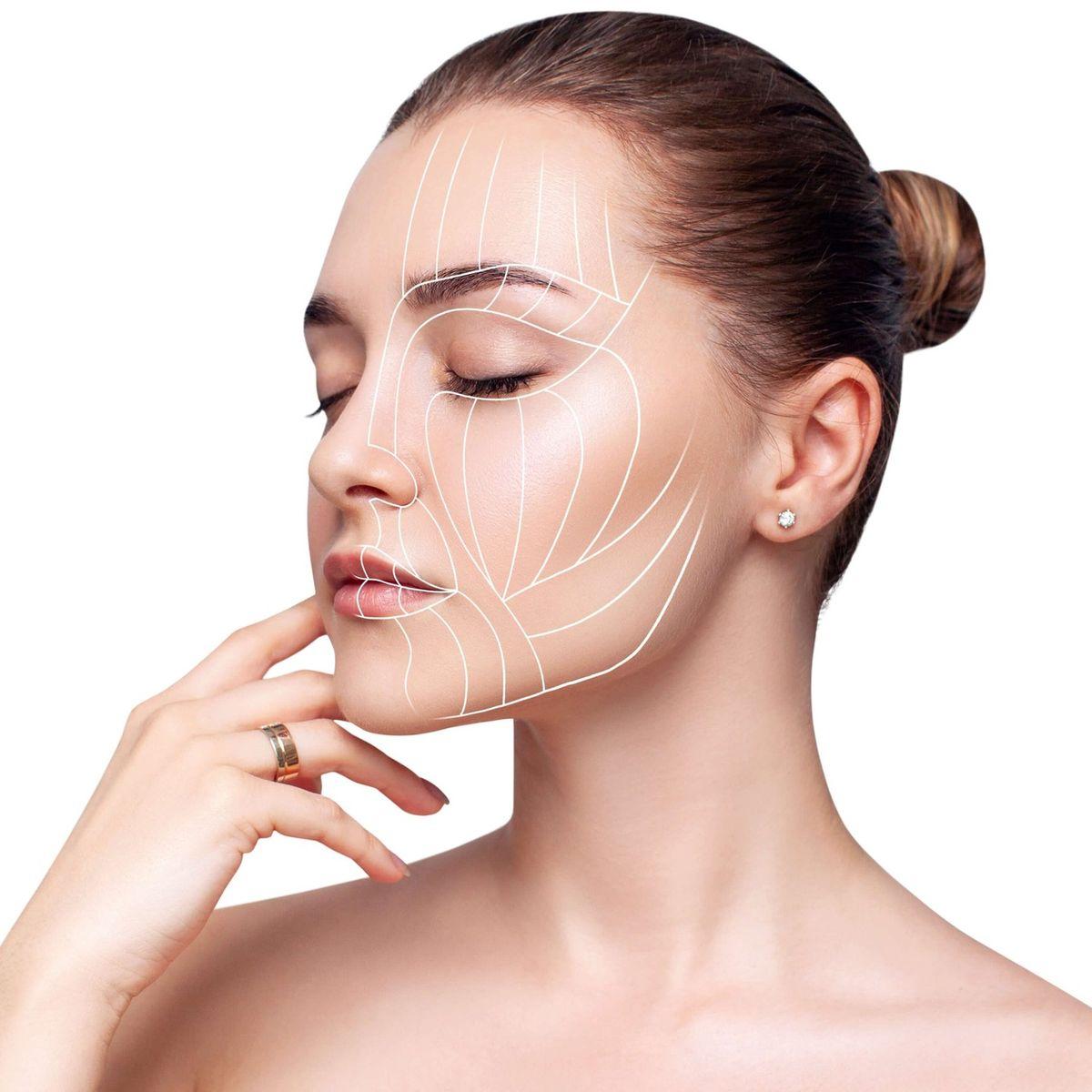
Changes in facial structure and skin elasticity are natural parts of aging, but they can gradually make the cheeks, jawline, and lower face look less defined. For individuals interested in a less invasive approach to facial rejuvenation, a thread lift in islamabad can provide temporary support to selected facial tissues. The procedure uses absorbable threads beneath the skin and may also encourage collagen production, helping create a more refreshed and supported appearance.
What Is a Thread Lift?
A thread lift is a minimally invasive cosmetic treatment designed to improve the appearance of mild to moderate facial laxity. Fine threads are carefully positioned beneath the skin to provide support and create a subtle lifting effect.
Unlike a traditional facelift, the procedure does not involve extensive skin removal or large surgical incisions. Instead, it focuses on supporting existing tissues and enhancing facial contours.
The treatment can be customized according to the patient's facial anatomy, skin condition, and aesthetic objectives.
Why Does Facial Sagging Occur?
Facial sagging develops through a combination of natural aging and changes within the skin and underlying tissues. Collagen and elastin production gradually decreases, reducing the skin's firmness and resilience.
Changes in facial volume and tissue support can also alter the appearance of the face. These developments may lead to:
-
Softer cheek contours
-
Less-defined jawline
-
Mild jowling
-
Lower-face laxity
-
Reduced skin firmness
A thread lift may be considered when these concerns are present but are not severe enough to require extensive surgical correction.
How Do Threads Create a Lifting Effect?
The threads are placed beneath the skin in specific directions to support targeted tissues. Their positioning can produce an initial lifting and contouring effect.
Absorbable threads may also stimulate a localized healing response. As they gradually dissolve, collagen formation around the treated area can help support skin firmness.
The combination of immediate support and gradual tissue response makes thread lifting different from treatments that only work on the surface of the skin.
Which Facial Areas Can Be Improved?
Treatment is customized rather than applied uniformly to every patient. Depending on the individual's concerns, thread placement may be considered for:
Cheeks
Supporting mildly lax cheek tissues can help create a more lifted and refreshed appearance.
Jawline
Thread placement may improve the appearance of a softer jawline in appropriate candidates.
Jowls
Early jowling may be addressed by providing additional support to the lower facial tissues.
Lower Face
A customized approach can improve the overall definition of the lower face.
Neck
Selected patients with mild neck laxity may also be considered for thread treatment.
What Are the Main Benefits?
A thread lift can offer several potential advantages for suitable candidates.
Minimally invasive treatment: Small entry points are used instead of the extensive incisions associated with a surgical facelift.
Facial contour enhancement: Strategic thread placement can help improve the appearance of selected facial features.
Potential collagen stimulation: The body's natural response to absorbable threads may encourage collagen production.
Subtle results: The treatment is generally designed to enhance rather than completely transform facial features.
Less extensive recovery: Compared with major facial surgery, the recovery process is usually more manageable, although it varies from patient to patient.
What Happens During a Consultation?
Before treatment, the practitioner should assess the patient's facial structure, skin elasticity, degree of laxity, and desired outcome.
This consultation helps determine whether a thread lift is appropriate and which areas may benefit most. It is also an opportunity to discuss realistic expectations and potential alternatives.
A good treatment plan should be based on the patient's individual anatomy rather than using an identical technique for everyone.
The Thread Lift Procedure
The treatment area is cleansed and prepared before the procedure. A local anesthetic or suitable numbing method may be used to improve comfort.
The practitioner then introduces fine needles or cannulas beneath the skin and positions the threads according to the planned treatment pattern.
After placement, the threads may be adjusted to provide appropriate support and symmetry. The procedure generally involves less tissue disruption than a traditional facelift.
What Is Recovery Like?
Temporary swelling, bruising, tenderness, tightness, or mild discomfort may occur after treatment. The extent of these effects varies according to the patient and the treatment performed.
Patients should follow their practitioner's aftercare instructions. These may include avoiding strenuous physical activity and minimizing pressure or unnecessary manipulation of the treated areas.
It is important to give the tissues sufficient time to recover before assessing the overall outcome.
When Will the Result Appear?
Some lifting may be visible soon after treatment, although early swelling can temporarily affect facial contours.
As recovery progresses, the treated areas can settle into a more natural appearance. Collagen-related improvements may also develop gradually.
Because individual healing responses vary, the timing of visible changes can differ significantly from one patient to another.
How Long Can the Results Remain?
Thread lifting is a temporary treatment because absorbable threads are gradually broken down by the body.
The duration of visible improvement depends on factors such as age, skin quality, lifestyle, facial movement, treatment technique, and individual healing.
When the effects begin to diminish, patients can discuss maintenance treatments or other rejuvenation options with their practitioner.
Who Is a Good Candidate?
Adults with mild to moderate skin laxity may be suitable candidates if they want a minimally invasive treatment and have realistic expectations.
The procedure may not provide adequate correction for significant excess skin or advanced facial aging. In such cases, surgical treatment may be more appropriate.
A professional assessment is necessary before making a final decision.
Safety and Possible Side Effects
Although thread lifting is minimally invasive, it still carries potential risks. Temporary swelling, bruising, tenderness, and tightness can occur.
Less common complications may include infection, asymmetry, thread displacement, thread visibility, or contour irregularities.
Choosing an appropriately qualified practitioner and following pre- and post-treatment instructions are important considerations for safer treatment.
Why Facial Harmony Is Important
Facial rejuvenation should focus on balance rather than simply producing the strongest possible lift. The position of the threads should complement the patient's facial proportions and existing features.
A personalized treatment plan can help achieve a more natural-looking result while avoiding an unnecessarily tight or altered appearance.
Final Thoughts
A thread lift can be a practical minimally invasive option for individuals who want to improve early facial sagging, enhance definition, and support skin firmness. Because results depend on individual anatomy, skin quality, and treatment technique, a professional consultation is essential before proceeding. If you are exploring facial rejuvenation options in Islamabad, Enfield Royal Clinic Islamabad F7 Markaz can help you discuss your concerns and understand whether thread lifting is suitable for your goals.

 Bangla