


Stainless Steel Tubing for Efficient Data Center Cooling Infrastructure
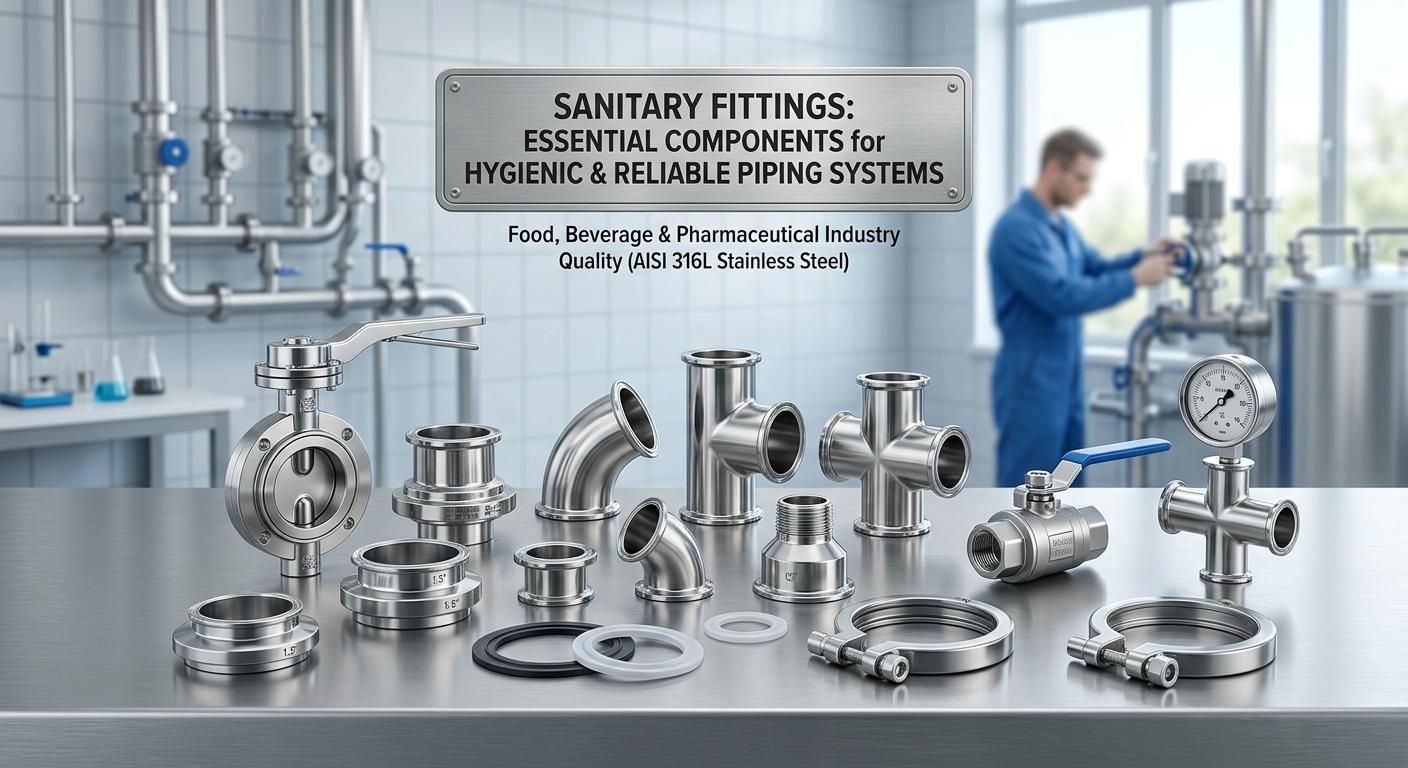
Data centers are becoming increasingly dependent on advanced cooling technologies as computing equipment continues to generate higher levels of heat. High-density servers, artificial intelligence systems, and other demanding workloads require carefully engineered thermal management solutions. In liquid-cooling applications, stainless steel tubing can provide durable pathways for moving coolant between servers, distribution equipment, pumps, and heat exchangers.
The Role of Tubing in Data Center Cooling
A liquid-cooling system relies on a controlled network of pipes and tubing to circulate coolant. Heat produced by computing equipment is transferred into the liquid, which then travels through the cooling circuit to be cooled before returning to the system.
Tubing forms an important part of this pathway. Its dimensions, material, connection method, and layout can influence installation and fluid movement. For this reason, tubing should be selected as part of the complete cooling system rather than as an isolated component.
Why Stainless Steel Is a Practical Material
Stainless steel is widely used in demanding fluid-handling applications because of its strength and resistance to corrosion. These characteristics can be valuable in data center environments where cooling systems are expected to operate continuously and reliably.
Different stainless steel grades can provide different properties, so engineers should consider the operating environment before selecting a specific material. Factors such as coolant compatibility, temperature, pressure, tubing dimensions, and installation conditions should all be evaluated.
Liquid Cooling for High-Density Computing
The growing use of high-performance computing has increased the need for effective heat management. Traditional air cooling can become more challenging as rack densities increase and processors become more powerful.
Liquid cooling offers a method of transferring heat through a circulating fluid. Depending on the system design, cooling can be delivered directly to heat-generating components or through specialized equipment positioned within the facility.
A well-planned tubing network helps connect the various parts of this system and maintain an organized flow path.
Selecting Appropriate Tubing Dimensions
Tubing size is an important consideration when designing a liquid-cooling circuit. Engineers need to evaluate the required flow rate and pressure conditions when determining suitable tubing dimensions.
Tubing that is appropriately sized can work efficiently with pumps, fittings, valves, and other components. The layout should also account for bends, connection points, equipment locations, and available installation space.
Using standardized dimensions where practical can simplify the selection of compatible fittings and replacement components during future maintenance.
Compatibility With Fittings and Valves
Tubing must work correctly with the components connected to it. Fittings create transitions between tubing sections, while valves can control or isolate sections of the cooling circuit.
Material compatibility is important when selecting these components. Stainless steel tubing may be paired with suitable stainless steel fittings and other compatible hardware to create durable connections.
The connection method should also match the system's requirements. Depending on the application, designers may consider welded, compression, clamp, or other connection options.
Maintenance and Inspection
Even a carefully designed cooling system requires regular inspection. Maintenance teams should examine tubing and connection points for signs of leakage, corrosion, physical damage, or other abnormalities.
Coolant quality should also be monitored according to the system manufacturer's recommendations. Pumps, valves, heat exchangers, and distribution units should be included in routine maintenance procedures.
Clear documentation can make these activities easier. Keeping records of tubing sizes, materials, connection points, and maintenance schedules can help facility teams understand the cooling network and respond efficiently when changes are required.
Designing for Future Requirements
Data center infrastructure often needs to accommodate changing technology. Computing workloads can increase over time, and equipment layouts may change as new servers are introduced.
Cooling systems should therefore be designed with appropriate flexibility. Adequate access to tubing and connection points can make future upgrades and maintenance more manageable.
Engineers may also consider modular cooling approaches that allow sections of a system to be expanded or modified without redesigning the entire facility.
Benefits of Proper System Planning
A successful liquid-cooling installation depends on coordination between many components. Tubing, fittings, pumps, valves, heat exchangers, cooling distribution equipment, and monitoring systems should be considered together.
Careful planning can help reduce installation complications and make maintenance more straightforward. It can also help ensure that the cooling network is appropriately sized for the facility's current requirements.
Conclusion
Stainless steel tubing can provide a durable and corrosion-resistant solution for fluid pathways in modern data center cooling systems. When properly selected and combined with compatible fittings, valves, pumps, and heat-exchange equipment, it can support organized coolant circulation and effective thermal management. For any business developing or upgrading data center infrastructure, careful tubing selection and system planning can contribute to a reliable, maintainable, and scalable cooling solution.

 Bangla