


Hair Transplant in Dubai for Crown Hair Loss | Complete Guide
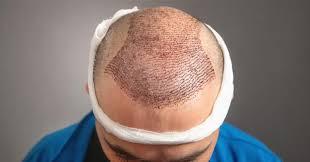
Crown hair loss can be one of the most frustrating forms of thinning because it is often difficult to notice in the early stages. Many people first discover crown thinning through photographs, mirrors, or comments from friends and family. As the area becomes more visible, styling the hair to provide coverage may become increasingly challenging.
For people experiencing permanent hair loss, a Hair Transplant in Dubai can be a potential long-term solution when enough healthy donor follicles are available. Modern hair restoration focuses on carefully placing follicles into thinning areas while following the natural direction and pattern of existing hair.
The crown requires particularly thoughtful treatment planning because hair naturally grows in a circular or spiral pattern in this region. Simply filling the area with grafts may not produce a natural appearance. Proper assessment, strategic graft distribution, and realistic expectations are essential for achieving balanced results.
What Causes Crown Hair Loss?
Crown thinning is commonly associated with pattern hair loss. Genetic and hormonal factors can gradually cause follicles in susceptible areas to become smaller and produce thinner hairs.
The process may begin with mild reduction in density before developing into a more noticeable thinning patch. Crown hair loss can occur alongside a receding hairline or frontal thinning, although the progression differs from person to person.
Other factors, including certain scalp conditions, nutritional issues, medications, stress, and medical conditions, can also contribute to hair shedding. Because the causes can vary, identifying the reason for hair loss is an important first step.
Can a Hair Transplant Restore a Thinning Crown?
For suitable candidates, transplantation can improve the appearance of a thinning crown by moving healthy follicles from a donor region to the affected area.
The transplanted follicles are positioned among existing hairs to increase the visual appearance of density. The objective is usually to create natural coverage rather than simply place the maximum possible number of grafts.
A professional evaluation is important because the crown may continue to change over time. Planning should therefore consider both current thinning and possible future hair loss.
Why Crown Transplantation Requires Careful Planning
The crown is different from many other scalp areas because of its natural whorl. Hair changes direction as it moves around this region.
Understanding the Natural Hair Pattern
The direction of hair growth should be considered when placing grafts. Matching the natural pattern can help transplanted hair blend more effectively with surrounding strands.
Strategic Graft Placement
Grafts can be distributed according to the level of thinning. Areas with greater visibility may receive more attention, while existing hair can be incorporated into the overall design.
Conserving Donor Hair
The donor supply is limited. Using follicles strategically is particularly important when a person has both crown thinning and frontal hair loss.
A balanced plan may address the most noticeable areas while preserving options for future restoration.
What Hair Transplant Techniques Can Be Used?
Several transplantation techniques may be considered depending on individual circumstances.
Follicular Unit Extraction
FUE involves extracting individual follicular units from the donor area before placing them into recipient sites. The individual extraction approach can allow detailed graft selection and placement.
Direct Hair Implantation
DHI involves placing prepared follicles into recipient areas using a specialized implantation instrument. This approach can provide control over the angle and direction of individual grafts.
Follicular Unit Transplantation
FUT involves removing a strip of tissue containing follicles from the donor region. The follicular units are then separated and prepared for transplantation.
The appropriate method depends on factors such as donor density, hair characteristics, treatment goals, and the extent of hair loss.
What Happens During Crown Hair Transplantation?
The procedure begins with preparation and assessment of the donor and recipient areas. Local anesthesia is generally used to improve comfort during the procedure.
Depending on the selected technique, follicles are harvested individually or through another extraction method. The grafts are then prepared for implantation.
Recipient sites are carefully created according to the natural crown pattern. Grafts are placed at appropriate angles and directions to help reproduce the appearance of natural growth.
The duration of the procedure varies according to the number of grafts and the treatment approach.
What Should You Expect During Recovery?
Temporary changes are common during the early recovery period. The scalp may appear red, swollen, or sensitive, and small crusts can develop around transplanted follicles.
Patients should follow their personalized aftercare instructions carefully. Washing, touching, sleeping positions, physical activity, and scalp protection may need special attention during the initial healing period.
It is important not to judge the final result immediately after treatment.
Will the Transplanted Hair Shed?
Temporary shedding can occur following transplantation. This can be concerning for patients who expect continuous visible growth immediately after treatment.
However, the visible hair shaft may shed while the follicle remains within the scalp. The follicle can later enter a new growth phase.
This is one reason patience is essential during the hair restoration process.
When Will Crown Results Become Visible?
Hair growth is gradual. New hairs may initially appear fine or uneven before becoming thicker and more mature.
The timeline varies between individuals because hair-growth cycles, scalp characteristics, donor quality, and other factors differ. Consistent aftercare and realistic expectations are important throughout the process.
How Can You Support Your Results?
After transplantation, patients should follow the specific care instructions provided to them. Avoiding unnecessary pressure, scratching, or harsh scalp treatments during the healing period can help protect the treated area.
Once the scalp has healed, gentle hair care and good scalp hygiene can support overall hair health.
It is also important to remember that transplantation does not necessarily prevent untreated hair from thinning in the future. A long-term hair restoration strategy may therefore be useful.
What Makes Crown Restoration Look Natural?
Natural-looking crown restoration depends on several factors:
- Correct understanding of the existing hair pattern
- Strategic graft placement
- Appropriate graft density
- Proper hair direction and angle
- Effective use of donor follicles
- Consideration of future hair loss
- Individual hair characteristics
The goal is to create coverage that blends naturally rather than produce an obvious circular patch of transplanted hair.
Why Realistic Expectations Matter
A hair transplant can improve density, but it cannot necessarily recreate the same thickness someone had earlier in life. The number of available donor follicles places a natural limit on what can be achieved.
A good treatment plan should focus on meaningful improvement while preserving donor resources for potential future needs.
Conclusion
Crown thinning can significantly affect the appearance of the scalp, especially as hair loss progresses. For suitable candidates, a hair transplant in Dubai can provide a long-term approach to improving crown coverage through carefully planned follicle placement. Understanding the natural crown pattern, donor limitations, recovery process, and gradual nature of hair growth can help create realistic expectations.
Tajmeels clinic can help individuals explore personalized hair restoration options based on their specific pattern of thinning, donor availability, and aesthetic goals. With thoughtful planning and appropriate aftercare, crown restoration can help create a fuller and more natural-looking appearance.

 Bangla