

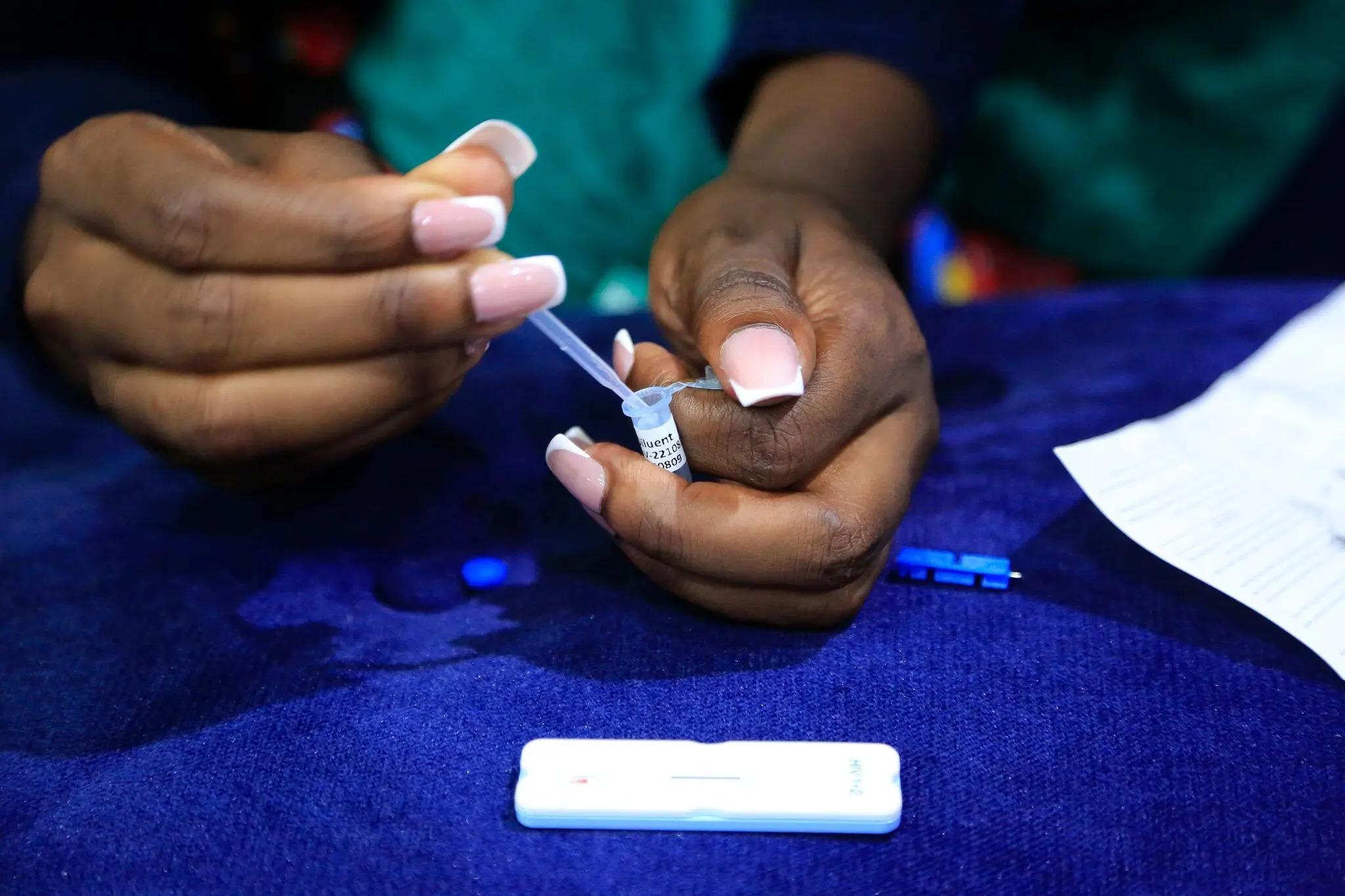

A fourth-generation HIV test is a modern laboratory screening test that looks for two different markers associated with HIV: HIV antibodies and the p24 antigen. If you are considering an HIV Test in Dubai, you may be offered this type of testing because it can detect many HIV infections earlier than antibody-only tests.
Understanding how the test works, what it can detect, and how timing affects the result can help you make sense of your HIV screening.
How Does a 4th Generation HIV Test Work?
The test looks for both HIV antibodies produced by the immune system and the p24 antigen, a protein associated with HIV.
The p24 antigen can become detectable before antibodies develop. By looking for both markers, a fourth-generation test can identify many infections earlier than tests that only detect antibodies.
Why Is the p24 Antigen Important?
After HIV enters the body, viral components can become detectable before the immune system produces enough antibodies for an antibody-only test to identify infection.
The p24 antigen provides an additional target during this earlier stage.
Is a 4th Generation Test a Blood Test?
Most laboratory-based fourth-generation HIV tests use a blood sample.
A healthcare professional collects the sample and sends it to a laboratory for analysis. The exact collection procedure can vary between testing facilities.
How Soon Can a 4th Generation Test Detect HIV?
Fourth-generation tests can detect many infections earlier than antibody-only tests, but they cannot detect every infection immediately after exposure.
There is still a window period. If testing occurs too soon, the result may be negative even when infection has recently occurred.
For this reason, the timing of your potential exposure is important when interpreting a result.
STD Test in Dubai and 4th Generation HIV Testing
An STD Test in Dubai may include a fourth-generation HIV test as part of broader STI screening.
If you are being tested after a recent exposure, tell your healthcare professional when the exposure occurred. Different infections and different tests have different detection windows.
How Accurate Is a 4th Generation HIV Test?
Fourth-generation laboratory tests are highly sensitive and specific when performed correctly and at an appropriate time.
However, no HIV test should be interpreted without considering the testing window. A test performed too early may not detect a newly acquired infection.
What Does a Negative 4th Generation Result Mean?
A negative result means the test did not detect the HIV markers it was designed to identify.
If sufficient time has passed since the potential exposure, the result can be highly reassuring. If testing occurred too early, your healthcare professional may recommend repeat testing.
What Does a Reactive Result Mean?
A reactive fourth-generation screening result does not automatically confirm HIV infection.
Additional confirmatory testing is required to determine whether HIV is actually present. Your healthcare professional can explain the next steps and arrange appropriate follow-up.
Can a 4th Generation Test Produce a False Positive?
False-reactive screening results are possible, although uncommon.
This is why a reactive screening result is followed by additional testing. Only after appropriate confirmatory testing can an HIV diagnosis be established.
Can a 4th Generation Test Produce a False Negative?
A false-negative result can occur if testing is performed during the window period or if other testing-related factors affect detection.
If you had a recent potential exposure, discuss the timing with your healthcare professional even if the initial result is negative.
Do You Need to Fast Before the Test?
Fasting is generally not required for a fourth-generation HIV test.
If you are having additional blood tests during the same appointment, follow any preparation instructions provided by the laboratory or healthcare provider.
How Long Do Results Take?
The time required to receive a fourth-generation HIV result depends on the laboratory and testing service.
Some facilities can process testing relatively quickly, while others may require additional laboratory time. Ask the testing provider about its expected turnaround time.
Can You Have HIV Without Symptoms?
Yes. HIV can be present without noticeable symptoms.
This is why testing is more reliable than symptoms for determining HIV status. If you have experienced a potential exposure, you do not need to wait for symptoms before seeking professional advice.
What If You Had a Recent Exposure?
If a potential HIV exposure occurred recently, seek medical advice promptly.
Your healthcare professional can determine whether a fourth-generation test is appropriate immediately and whether repeat testing may be required. They can also assess whether post-exposure prophylaxis (PEP) should be considered. PEP is time-sensitive.
When Should You Repeat the Test?
Repeat testing may be recommended when the first test was performed during the window period.
The appropriate timing depends on the exact test, exposure circumstances, and clinical guidance. Your healthcare professional can provide a testing schedule appropriate for your situation.
What Happens After a Confirmed Positive Result?
If follow-up testing confirms HIV infection, your healthcare team can discuss antiretroviral treatment and ongoing monitoring.
Modern HIV treatment can suppress the virus to very low levels and help people living with HIV maintain long-term health.
Final Thoughts
A fourth-generation HIV test detects both HIV antibodies and the p24 antigen, allowing many infections to be identified earlier than with antibody-only testing. Although it is highly accurate when used appropriately, testing too soon after exposure can still produce a negative result. If you are considering an HIV Test in Dubai, a qualified healthcare professional can help determine whether a fourth-generation test is suitable and whether follow-up testing is needed.
