


Ready to Address Hair Loss? Discover PRP Therapy
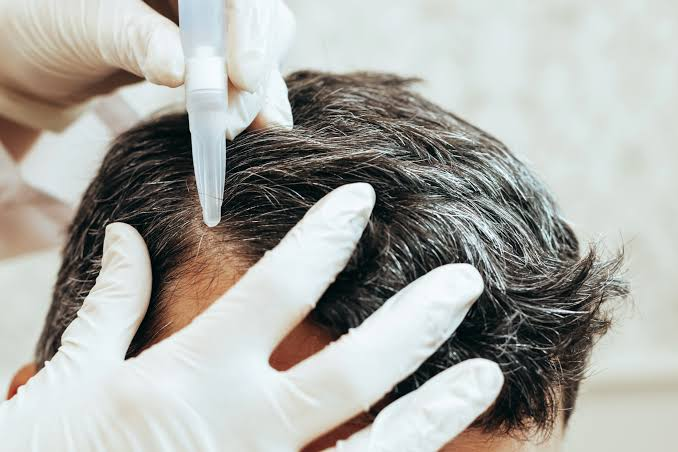
Hair thinning can be frustrating, especially when changes in density become noticeable in the mirror or while styling your hair. If you are looking for a modern approach to support healthier-looking growth, PRP Hair Treatment in Dubai may be worth exploring. This minimally invasive treatment uses components from your own blood to create a concentrated plasma preparation that is applied to areas where hair appears thinner. Rather than instantly changing your appearance, PRP focuses on supporting the natural hair-growth environment over time.
What Is PRP Hair Therapy?
Platelet-rich plasma, commonly known as PRP, is prepared from a small sample of your own blood. The sample is processed to separate the plasma and concentrate platelets, which contain naturally occurring growth factors.
The resulting preparation is then introduced into selected areas of the scalp. The goal is to support the follicles and create conditions that may encourage healthier hair activity.
How Does PRP Work?
PRP therapy is based on the regenerative properties associated with platelets and their growth factors. Once introduced into the scalp, these components may help support tissue repair and improve the environment around existing hair follicles.
This approach is particularly interesting for people who still have active but weakened follicles. Because PRP works with the body's own biological material, it is considered a natural-based option for people seeking support for thinning hair.
Why Does Hair Start to Thin?
Hair loss can happen for many reasons, and understanding the possible cause is an important part of choosing an appropriate treatment. Genetics is one common factor, while hormonal changes, ageing, nutritional concerns, stress, and certain scalp conditions can also influence hair density.
Some people notice gradual thinning around the crown, while others experience a widening part or reduced density around the hairline. In some cases, shedding may become more noticeable before visible thinning develops.
Early Hair Changes Matter
Recognizing changes early can help you take a more informed approach. Increased shedding, finer strands, slower-looking growth, or more scalp visibility may indicate that your hair needs additional attention.
PRP is generally more relevant when viable follicles remain. It is not designed to recreate follicles that are completely absent, which is why expectations should be realistic from the beginning.
What Can You Expect During PRP Therapy?
A typical PRP session begins with collecting a small blood sample. This sample is processed to separate platelet-rich plasma from other blood components.
Once the preparation is ready, it is carefully applied to targeted areas of the scalp using a series of small injections. The procedure is usually performed without extensive downtime, allowing many people to return to their regular routine relatively quickly.
Is the Treatment Comfortable?
Because PRP involves injections, some temporary discomfort may occur. A person may experience mild tenderness, redness, swelling, or sensitivity around treated areas after the session.
These effects are generally short-lived. Following the recommended aftercare instructions can help support a smooth recovery and protect the treated scalp.
When Can You See Hair Improvement?
One of the most important things to understand about PRP is that hair growth takes time. Unlike cosmetic treatments that produce an immediate visual change, PRP aims to influence the hair-growth cycle gradually.
Some people may notice changes in shedding or hair texture before seeing a noticeable improvement in overall density. More visible results can take several months, depending on factors such as the cause of hair loss, follicle health, age, and individual response.
Why Are Multiple Sessions Often Suggested?
Hair follicles move through different stages of growth, so a single session may not provide the desired level of support. A treatment plan may therefore involve multiple sessions spaced apart to encourage ongoing stimulation.
Follow-up sessions may also be considered to help maintain improvements. The exact schedule should be determined according to individual needs rather than following a one-size-fits-all routine.
Who May Be a Suitable Candidate?
PRP may be considered by adults experiencing certain forms of thinning hair, particularly when follicles are still present and capable of producing hair. However, suitability depends on the underlying reason for hair loss and overall scalp condition.
A proper assessment can help determine whether PRP is appropriate or whether another approach would be more suitable.
People may consider PRP if they are experiencing:
- Gradual thinning rather than complete hair loss
- Reduced hair density around the crown or parting
- Noticeable changes in hair thickness
- Early signs of pattern-related hair loss
- A desire for a minimally invasive treatment approach
It is also important to discuss existing medical conditions, medications, scalp problems, and previous hair treatments before starting therapy.
What Makes PRP Different From Other Hair Treatments?
Hair-loss treatments can work in very different ways. Some focus on topical support, while others involve medications, devices, or surgical restoration techniques.
PRP stands out because it uses a concentrated preparation derived from the person's own blood. It does not involve transplanting hair from one part of the scalp to another. Instead, its purpose is to support existing follicles and potentially improve the quality and density of growing hair.
A Natural-Looking Approach
Because the treatment works gradually, any improvement tends to develop over time rather than appearing suddenly. This can be appealing to people who want subtle changes that remain consistent with their natural appearance.
However, results vary. PRP should not be viewed as a guaranteed cure for every type of hair loss.
How Can You Support Your Results?
Your everyday habits can also influence the condition of your hair and scalp. While PRP is intended to support the follicles, maintaining healthy routines can complement your overall hair-care strategy.
Focus on a balanced diet containing adequate protein and essential nutrients. Handle wet hair gently, avoid excessive heat styling, and choose hair-care products that suit your scalp.
Managing stress and getting sufficient sleep may also contribute to general wellbeing. Most importantly, follow the aftercare guidance provided for your individual treatment plan.
Is PRP Worth Considering for Hair Loss?
If thinning hair is affecting your confidence, PRP may offer a practical option for supporting existing follicles without surgery. Its appeal comes from its minimally invasive nature, use of your own biological material, and gradual approach to improving hair quality.
Still, PRP is not suitable for everyone, and results can differ significantly. A personalized assessment is essential for understanding whether your pattern of hair loss is likely to respond and what kind of improvement may realistically be expected.
Take the Next Step Toward Healthier-Looking Hair
Hair loss does not always have to be approached with a drastic solution. PRP Therapy provides a way to focus on the follicles you already have while supporting a healthier scalp environment and gradual hair improvement.
If you are ready to address thinning hair, learning more about PRP Hair Treatment can help you make a confident and informed decision based on your individual needs, hair condition, and long-term goals.

 Bangla