


Tension is a common complaint in our fast-paced world, manifesting as tight muscles, stress, and a general feeling of being wound up. If you're looking for a natural, drug-free way to release tension and find relaxation, acupuncture treatment in Dubai offers a powerful solution. This ancient practice is known for its ability to calm the nervous system, relax muscles, and promote a deep sense of ease. This article explores how acupuncture can help relieve tension and what to expect from treatment.
Understanding Tension and Its Effects
Before exploring how acupuncture can help, it's helpful to understand what tension is and how it affects the body.
What Is Tension?
Tension is a state of mental or emotional strain, often accompanied by physical tightness in the muscles. It can be caused by stress, anxiety, poor posture, or physical overexertion. Tension can manifest in various areas of the body, including the neck, shoulders, back, and jaw.
The Physical Effects of Tension
Tension can cause muscle tightness and stiffness, leading to pain and discomfort. It can contribute to headaches, including tension headaches. Chronic tension can lead to poor posture and further muscle imbalances. It can also interfere with sleep and contribute to fatigue.
The Emotional Effects of Tension
Tension can affect mood and emotional well-being. It can lead to feelings of irritability, anxiety, and overwhelm. It can make it difficult to relax and enjoy daily activities. Chronic tension can contribute to stress and other mental health conditions.
How Acupuncture Relieves Tension
Acupuncture treatment in Dubai addresses tension through multiple mechanisms.
Relaxing Muscles
Acupuncture can help relax tense muscles by stimulating the release of endorphins and promoting blood flow. This can help relieve muscle tightness and reduce pain. Many patients experience a deep sense of relaxation during and after acupuncture sessions.
Calming the Nervous System
Acupuncture stimulates the parasympathetic nervous system, which is responsible for the "rest and digest" response. This helps counter the effects of the sympathetic nervous system's "fight or flight" response, promoting relaxation and reducing tension.
Reducing Stress Hormones
Acupuncture has been shown to reduce levels of cortisol, the primary stress hormone. By lowering cortisol levels, acupuncture can help reduce the physical effects of stress on the body, including muscle tension.
Promoting Blood Flow
Acupuncture can improve blood flow to tense areas, delivering oxygen and nutrients to the muscles. This can help promote healing and relaxation. Improved circulation can also help reduce inflammation and pain.
Areas Where Tension Is Commonly Relieved
Acupuncture can help relieve tension in various areas of the body.
Neck and Shoulders
The neck and shoulders are common areas for tension. Acupuncture can help release tight muscles in these areas, reducing pain and stiffness. Many patients find relief from tension headaches associated with neck and shoulder tension.
Back
Tension in the back is common, especially in the lower back. Acupuncture can help relax back muscles, reduce pain, and improve mobility. This can be particularly helpful for people who sit for long periods.
Jaw
Tension in the jaw, often associated with clenching or grinding teeth, can cause pain and discomfort. Acupuncture can help relax the jaw muscles, reducing tension and associated symptoms.
Head
Tension headaches are often caused by muscle tension in the neck and head. Acupuncture can help relieve tension headaches by relaxing muscles and promoting relaxation.
What to Expect from Treatment
Understanding what to expect helps you feel more comfortable.
The Initial Assessment
Your practitioner will conduct a thorough assessment to understand your tension and overall health. They will ask about your symptoms, lifestyle, and stress levels. This assessment helps determine the most appropriate acupuncture points for your treatment.
The Treatment Session
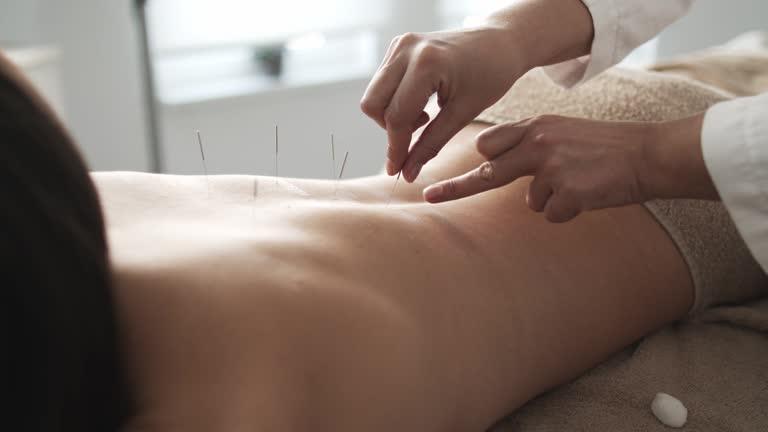
During an acupuncture session for tension relief, you will typically lie down in a comfortable position. The practitioner will insert very fine needles into specific points on your body. The needles are usually left in place for 15 to 30 minutes while you relax. Many patients find the experience deeply calming.
The Number of Sessions
The number of sessions needed depends on the severity of your tension and your individual response. Some patients may notice improvement after one session. Others may require a longer course of treatment. Your practitioner will develop a personalized plan.
Lifestyle Tips for Reducing Tension
Acupuncture can be a valuable part of a comprehensive tension management plan.
Stress Management
Stress is a major contributor to tension. Practice stress management techniques like meditation, deep breathing, or gentle yoga. Acupuncture can be a valuable part of your stress management routine.
Regular Exercise
Regular physical activity can help reduce muscle tension and stress. Find an activity you enjoy and make it a part of your routine. Exercise releases endorphins and promotes relaxation.
Good Posture
Poor posture can contribute to muscle tension. Be mindful of your posture throughout the day. Take breaks from sitting and stretch regularly. Ergonomic adjustments can also help.
Adequate Sleep
Prioritize getting enough sleep each night. Establish a relaxing bedtime routine and create a sleep-friendly environment. Sleep is essential for muscle recovery and stress management.
Relaxation Techniques
Incorporate relaxation techniques into your daily routine. This could include deep breathing, progressive muscle relaxation, or guided imagery. Acupuncture can help you become more aware of your body and promote relaxation.
Frequently Asked Questions
1. Can acupuncture treatment in Dubai help relieve tension?
Yes. Acupuncture is effective for relieving muscle tension and promoting relaxation.
2. How does acupuncture relieve tension?
Acupuncture relieves tension by relaxing muscles, calming the nervous system, reducing stress hormones, and promoting blood flow.
3. How many sessions will I need for tension relief?
The number of sessions varies depending on your individual needs. Some people notice improvement after one session. Others may need more.
4. Is acupuncture safe for tension relief?
Yes. Acupuncture is very safe when performed by a qualified practitioner using sterile, single-use needles.
5. Can acupuncture help with tension headaches?
Yes. Acupuncture can help relieve tension headaches by relaxing muscles and promoting relaxation.
6. How quickly does acupuncture work for tension?
Many people feel more relaxed immediately after a session. The cumulative effect of regular treatment can lead to sustained tension relief.
7. Can acupuncture be combined with other tension relief techniques?
Yes. Acupuncture is often combined with stress management, exercise, and other techniques for comprehensive care.
8. How often should I have acupuncture for tension relief?
Your practitioner will recommend a schedule based on your individual needs. Weekly sessions are common for tension relief.
Final Thoughts
Acupuncture treatment in Dubai offers a natural, effective way to relieve tension and promote relaxation. By relaxing muscles, calming the nervous system, and reducing stress hormones, acupuncture can help you release physical and emotional tension. Whether you're dealing with neck pain, tension headaches, or general stress, acupuncture offers a gentle, drug-free path to relief.
At Tajmeels Clinic, our experienced practitioners are dedicated to helping you find relief from tension through personalized acupuncture treatment. We take the time to understand your unique concerns and develop a treatment plan that addresses your specific needs. Your journey to natural tension relief starts with a consultation at Tajmeels Clinic.

 Bangla