


HPV Test: When Repeat Testing May Be Needed
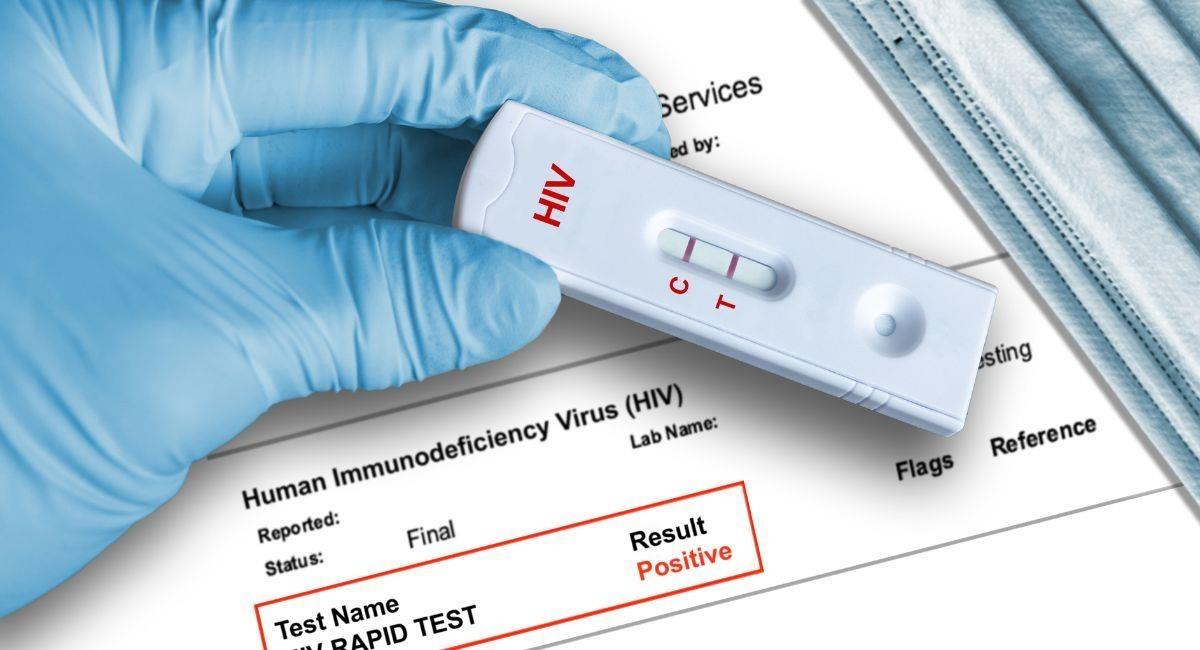
An HPV Test Dubai can help identify certain high-risk types of human papillomavirus associated with cervical cancer. While receiving a negative result can be reassuring, some people may be advised to repeat their HPV test depending on their previous results, age, screening history, and clinical circumstances.
A repeat test does not necessarily mean that something serious is wrong. Often, it is simply part of appropriate monitoring when an HPV infection has been detected or when a previous result requires additional follow-up.
STD Testing in Dubai: Why Follow-Up Matters
STD Test in Dubai can include several types of sexual health screening, but HPV testing for cervical screening has a specific purpose.
When high-risk HPV is detected, follow-up can help determine whether the infection has become undetectable or whether it has persisted. Persistent infection with certain high-risk HPV types can increase the risk of cervical cell changes.
Why Might an HPV Test Need to Be Repeated?
There are several possible reasons for repeat HPV testing. A healthcare professional may recommend another test after a positive result to monitor whether the infection persists.
Repeat testing may also be part of a routine screening programme when a person's previous results indicate that continued monitoring is appropriate.
The exact timing depends on the screening guidelines and individual circumstances.
What Does a Positive HPV Result Mean?
A positive HPV result means that the relevant high-risk HPV type or group was detected in the sample.
It does not mean that cervical cancer is present. Many HPV infections become undetectable over time as the immune system controls the infection.
However, persistent high-risk HPV can increase the risk of cervical abnormalities, which is why follow-up is important.
What If the HPV Test Is Negative?
A negative HPV result means that the high-risk HPV types targeted by the test were not detected.
If the result is negative and there are no other concerns, you may simply be advised to continue screening at the recommended interval.
However, the appropriate screening schedule depends on your age, previous results, and applicable guidelines.
Can HPV Clear Before the Repeat Test?
Yes. Many HPV infections become undetectable over time.
This means that someone who initially tests positive may later receive a negative result. Repeat testing can therefore help healthcare professionals determine whether HPV is still detectable.
However, it is not possible to predict exactly when an individual infection will become undetectable.
Does Persistent HPV Mean Cancer?
No. Persistent HPV does not automatically mean that cancer is present.
Persistent infection with certain high-risk HPV types can increase the risk of cervical precancer and cancer over time, which is why monitoring is important.
If persistent HPV is identified, your healthcare professional may recommend additional cervical assessment depending on the circumstances.
What Happens After Repeated Positive Results?
If high-risk HPV remains detectable on follow-up testing, additional assessment may be recommended.
Depending on the screening programme and individual results, this may involve cervical cell testing or an examination such as colposcopy.
The purpose is to identify whether any cervical abnormalities are present and determine whether monitoring or treatment is necessary.
Is Repeat Testing the Same for Everyone?
No. HPV follow-up is individualized.
Age, previous HPV results, cervical cell findings, vaccination status, and other clinical factors can influence the recommended approach.
For this reason, it is important to follow the specific schedule provided by your healthcare professional rather than using a general testing timeline.
Can You Have HPV Without Symptoms?
Yes. High-risk HPV often causes no noticeable symptoms.
A person may therefore feel completely healthy while HPV remains detectable.
This is why completing recommended screening and follow-up is important even when there are no symptoms.
What If You Miss Your Repeat Test?
If you were advised to repeat your HPV test but missed the appointment, contact your healthcare provider to determine what should happen next.
Do not assume that a missed appointment means you no longer need follow-up.
Keeping track of screening dates can help ensure that recommended monitoring is completed on time.
HPV Screening and Cervical Cancer Prevention
HPV-based screening can help identify people at increased risk of cervical precancer before serious disease develops.
WHO recommends HPV DNA testing as the preferred primary cervical cancer screening approach where appropriate screening programmes are available.
Following recommended repeat testing and treatment pathways can help make cervical cancer prevention more effective.
Can HPV Vaccination Replace Repeat Testing?
No. HPV vaccination can protect against several HPV types associated with cancer, but it does not eliminate the need for recommended cervical screening or follow-up.
If you have received an HPV vaccine but have been advised to repeat a screening test, you should still follow your healthcare professional's recommendation.
Final Thoughts
An HPV Test Dubai may sometimes need to be repeated after a positive result or as part of a recommended cervical screening schedule. Repeat testing helps determine whether high-risk HPV remains detectable and whether additional assessment may be necessary.
A repeat test does not automatically mean that cancer is present. If you have been advised to undergo follow-up HPV testing, completing it within the recommended timeframe can help support effective cervical health monitoring and prevention.

 Bangla