


Key Factors to Consider Before Installing a New Concrete Driveway
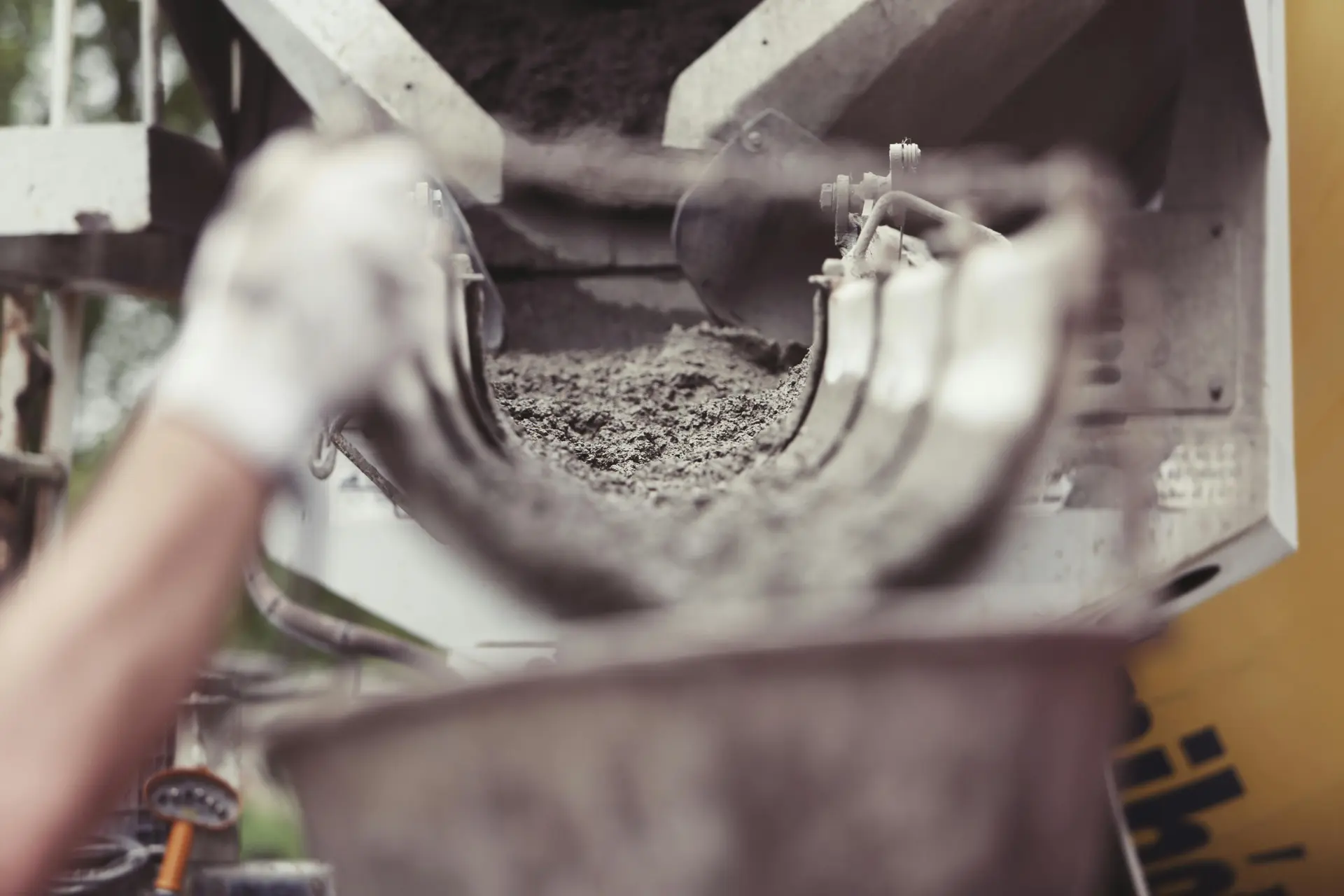
A concrete driveway is more than a practical place to park vehicles. When properly planned and installed, it can provide a durable surface that improves access to a property while adding to its overall appearance. However, a successful driveway project requires careful attention to site preparation, drainage, concrete quality, and finishing.
Start With Proper Site Planning
Before installation begins, the area should be evaluated for dimensions, slope, drainage, soil conditions, and surrounding structures. Good planning helps determine the appropriate driveway layout and reduces potential complications during construction.
The intended vehicle use should also be considered. A driveway designed primarily for passenger cars may have different requirements from one expected to regularly support heavier trucks or equipment.
Prepare the Base Correctly
A strong concrete driveway begins beneath the concrete itself. The existing ground should be properly prepared, graded, and compacted according to the project's requirements.
A suitable base can provide stability and help distribute loads. Poor preparation may contribute to settlement, cracking, or uneven surfaces over time, making this stage one of the most important parts of the installation.
Choose an Appropriate Concrete Mix
Not every concrete mix is ideal for every application. Factors such as expected traffic, climate, moisture exposure, and local conditions can influence the appropriate mixture.
Using quality materials and maintaining consistent proportions can help the finished concrete achieve the desired strength and durability.
For homeowners and contractors researching concrete driveway installation, working with an experienced concrete provider can help ensure that material selection and project requirements are properly coordinated.
Plan for Effective Drainage
Water management is an important consideration for any driveway. Standing water can affect surrounding soil and may contribute to surface deterioration over time.
The driveway should be designed with appropriate slopes and drainage considerations so that water can move away from the surface and nearby structures. Proper drainage planning can help protect both the driveway and surrounding property.
Consider Reinforcement
Depending on the project's requirements, reinforcement may be incorporated into the concrete to provide additional structural support. The appropriate reinforcement strategy depends on factors such as expected loads, soil conditions, and design specifications.
A qualified contractor can determine what approach is suitable for the particular driveway project.
Allow Proper Curing
Concrete does not reach its final performance immediately after placement. The curing process allows the material to develop strength and helps support long-term durability.
During this period, the surface should be protected according to the contractor's recommendations. Avoiding unnecessary traffic too early can help prevent damage while the concrete is gaining strength.
Choose a Suitable Finish
Concrete driveways can be finished in different ways depending on the desired appearance and practical requirements. A standard smooth finish can provide a clean look, while textured or decorative options may offer additional visual appeal.
The finish should also provide suitable traction for normal vehicle and pedestrian use, particularly in areas where wet or icy conditions may occur.
Regular Maintenance Helps Extend Service Life
Even durable concrete benefits from routine care. Keeping the surface clean, addressing small cracks when appropriate, and maintaining nearby drainage can help protect the driveway.
Sealing may also be considered depending on the concrete type, local conditions, and manufacturer's recommendations. Preventive maintenance can help reduce the impact of weather and everyday use.
Conclusion
A durable concrete driveway starts with thoughtful planning and quality installation. Proper site preparation, suitable concrete, effective drainage, appropriate reinforcement, careful finishing, and adequate curing all contribute to a stronger finished surface.
By paying attention to each stage of the project and maintaining the driveway after installation, property owners can create an attractive and dependable surface designed to serve their needs for years to come.

 Bangla