


Searching for Termite Treatment Near Me? What Property Owners in Pakistan Should Know
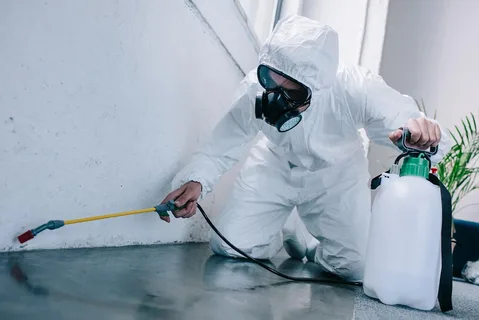
Termites are small insects, but they can create serious problems for residential and commercial properties. They often remain hidden inside wood, walls, floors, foundations, and other structural areas. Because of their concealed activity, property owners may not notice an infestation until visible damage appears.
When people search for termite treatment near me, they usually want to find a suitable solution for suspected or active termite activity. However, before choosing any treatment, it is important to understand how termites behave, what signs indicate an infestation, and which treatment methods may suit different types of properties.
Across Pakistan, termites can affect homes, apartments, offices, shops, warehouses, and newly constructed buildings. Local weather, soil conditions, moisture, construction methods, and the presence of wood can all influence termite risks. This article explains what property owners in Pakistan should know when searching for termite treatment and planning long-term termite prevention.
Why Do Property Owners Search for Termite Treatment Near Me?
Most property owners start searching for termite treatment near me after noticing possible signs of termite activity. Some discover mud tubes on walls. Others find damaged furniture, hollow wooden doors, or discarded insect wings.
A nearby termite treatment option can be useful because a local inspection may help identify the problem quickly. However, location should not be the only factor considered.
A proper termite control process should include:
- Inspection of suspected areas
- Identification of possible termite activity
- Assessment of property conditions
- Selection of a suitable treatment method
- Treatment of affected or vulnerable areas
- Safety instructions for occupants
- Advice for future termite prevention
The right approach depends on the type of property and the extent of the infestation.
Understanding the Termite Risk in Pakistan
Pakistan has diverse environmental and climate conditions. Some areas experience high temperatures, while others have seasonal rainfall and increased moisture. These conditions, along with soil and building design, can influence termite activity.
Cities such as Lahore, Karachi, Islamabad, Rawalpindi, Faisalabad, Multan, Peshawar, Gujranwala, and other parts of Pakistan contain a wide range of residential and commercial properties that may face termite risks.
Termites are attracted to cellulose-based materials. Common materials at risk include:
- Wooden doors and frames
- Furniture
- Cabinets
- Wooden flooring
- Roof timber
- Books and paper
- Cardboard
- Wooden partitions
- Construction timber
Subterranean termites can be especially difficult to detect because they may travel through soil and enter a structure through hidden routes.
Common Signs You May Need Termite Treatment
Early detection can help reduce the risk of extensive damage. Property owners should regularly inspect wooden structures and other vulnerable areas.
Mud Tubes
Subterranean termites often create mud tubes for protection while travelling between soil and food sources.
You may find these tubes on:
- Exterior walls
- Foundation areas
- Basement surfaces
- Pipes
- Utility entry points
- Walls near soil
An old mud tube does not always confirm current termite activity. A detailed inspection can help determine whether the infestation remains active.
Hollow or Weak Wood
Termites often consume wood internally. The outer surface may look normal even when significant internal damage has occurred.
Possible warning signs include:
- Hollow sounds when tapping wood
- Weak door frames
- Damaged furniture
- Thin wooden surfaces
- Crumbling timber
- Small internal tunnels
If wood breaks easily without an obvious reason, it may require inspection.
Discarded Wings
During reproductive activity, winged termites may emerge and later shed their wings.
Finding several similar-looking wings near windows, doors, or lights may indicate termite activity nearby.
Doors and Windows Become Difficult to Open
Termite damage and moisture-related changes can affect wooden frames. If doors or windows suddenly become difficult to open, inspect the surrounding wood for other signs of damage.
Damaged Paint or Wall Surfaces
Some termite problems may cause unusual changes around wooden or structural surfaces. You may notice bubbling paint, cracks, or uneven areas.
However, these signs can also result from moisture or other issues. A professional inspection helps identify the actual cause.
What Happens During a Termite Inspection?
A termite inspection is usually the first step before selecting a treatment method. The inspection helps determine where termites are active and which conditions may support their activity.
Depending on the property, an inspection may include:
- Rooms and interior walls
- Wooden doors and frames
- Cabinets and furniture
- Kitchens
- Bathrooms
- Plumbing areas
- Foundation sections
- Exterior walls
- Garden or soil areas
- Storage spaces
- Roof or attic areas, where accessible
The purpose is to identify visible signs of termites, moisture issues, damaged wood, and possible entry points.
Types of Termite Treatment Property Owners Should Know
There is no single termite treatment suitable for every infestation. The treatment approach should depend on the property structure and termite activity.
Soil Treatment
Soil treatment is often used where subterranean termites are a concern. The process focuses on relevant soil areas around or beneath a structure.
A treated zone may help manage termites travelling between underground areas and the building.
The required treatment area depends on factors such as the property's design, foundation access, and termite entry points.
Localized Termite Treatment
Localized treatment focuses on specific areas where termite activity has been identified.
For example, treatment may target a damaged wooden structure, cabinet, door frame, or another affected location.
This approach may be appropriate when termite activity appears limited. However, hidden activity should also be considered before deciding that an infestation is only local.
Wood Treatment
Wood treatment focuses on protecting or treating vulnerable wooden materials.
It may be considered for:
- Doors
- Windows
- Furniture
- Cabinets
- Timber structures
- Other exposed wooden materials
The appropriate method depends on the wood type, location, condition, and level of termite activity.
Bait-Based Termite Management
Some termite control programs use bait systems. These systems are designed to attract termite activity to monitored locations.
Their effectiveness and suitability depend on proper placement, termite behavior, environmental conditions, and regular monitoring.
Pre-Construction Termite Treatment
Pre-construction termite treatment takes place before or during the construction of a building. It aims to address termite risks while key areas such as soil and foundations are accessible.
Builders and property owners can consider termite prevention at this stage because protective measures may be easier to apply before the building is completed.
How to Evaluate Termite Treatment Near You
When searching online for termite treatment near me in Pakistan, avoid choosing an option based only on distance or price.
Instead, ask useful questions about the process.
Questions to Ask Before Treatment
- Has the property been properly inspected?
- What signs of termite activity were found?
- Which areas require treatment?
- What treatment method is recommended?
- Why is this method suitable for the property?
- What precautions should occupants follow?
- Is follow-up monitoring necessary?
- What steps can reduce the risk of future infestations?
Clear answers can help property owners understand what they are paying for and why a particular approach has been recommended.
What Factors Affect the Cost of Termite Treatment?
The cost of termite treatment in Pakistan can vary depending on the property's specific needs.
Important factors may include:
- Size of the property
- Severity of the infestation
- Number of affected areas
- Type of building
- Accessibility
- Treatment method
- Soil and foundation conditions
- Extent of visible damage
- Need for follow-up inspections
A small house with limited termite activity may require a different approach than a large commercial building, warehouse, office, or factory.
Before comparing costs, understand what the proposed treatment includes.
How Property Owners Can Help Prevent Future Termite Problems
Termite prevention should focus on reducing favorable conditions and identifying problems early.
Control Moisture
Repair leaking pipes, drainage problems, and water damage. Moisture can contribute to conditions that support termite activity and damage building materials.
Reduce Wood-to-Soil Contact
Avoid placing wooden materials directly against soil where possible. Store timber and wood waste away from the building.
Remove Unnecessary Cardboard and Wood Waste
Old cardboard, paper, and wood materials can create potential food sources for termites. Keep storage areas clean and dry.
Seal Suitable Entry Points
Inspect cracks, gaps around pipes, and openings near foundations. Appropriate repairs can reduce possible termite access routes.
Inspect Wooden Areas Regularly
Check door frames, furniture, cabinets, flooring, and storage areas for unexplained damage.
Arrange Periodic Inspections
Regular inspections can help detect termite activity before it causes significant structural damage.
Why Early Action Matters
Termites can remain hidden for long periods. Waiting until severe damage becomes visible may increase the complexity of the problem.
Early inspection offers several benefits:
- Helps identify activity sooner
- May limit further damage
- Detects moisture-related risks
- Identifies vulnerable wooden areas
- Supports long-term termite prevention
Property owners should not assume that termites are gone simply because visible signs disappear. Hidden colonies or activity may continue in inaccessible areas.
FAQ: Termite Treatment Near Me in Pakistan
The following FAQs provide quick answers to common questions about termite treatment, inspections, and prevention. They can help property owners understand what to look for before selecting a suitable termite control approach.
How do I know if I need termite treatment?
You may need an inspection if you find mud tubes, hollow wood, discarded wings, damaged timber, or other unexplained signs of termite activity.
How long does termite treatment take?
Treatment time depends on the property size, infestation level, treatment method, and accessibility. An inspection can provide a more accurate estimate.
Can termites return after treatment?
Termite activity can return if new colonies find access to the property or favorable conditions remain. Regular inspections and preventive measures can help reduce future risks.
Is pre-construction termite treatment useful?
Pre-construction termite treatment can help protect vulnerable areas before construction is completed. It is especially useful because soil and foundation areas are more accessible during building work.
What should I check when searching for termite treatment near me?
Look for a proper inspection process, a clear explanation of the treatment method, safety guidance, and recommendations for follow-up and termite prevention.
Searching for termite treatment near me should involve more than finding the closest available option. Property owners in Pakistan can make better decisions by understanding termite signs, arranging a proper inspection, learning about suitable treatment methods, and taking preventive measures after treatment.

 Bangla