

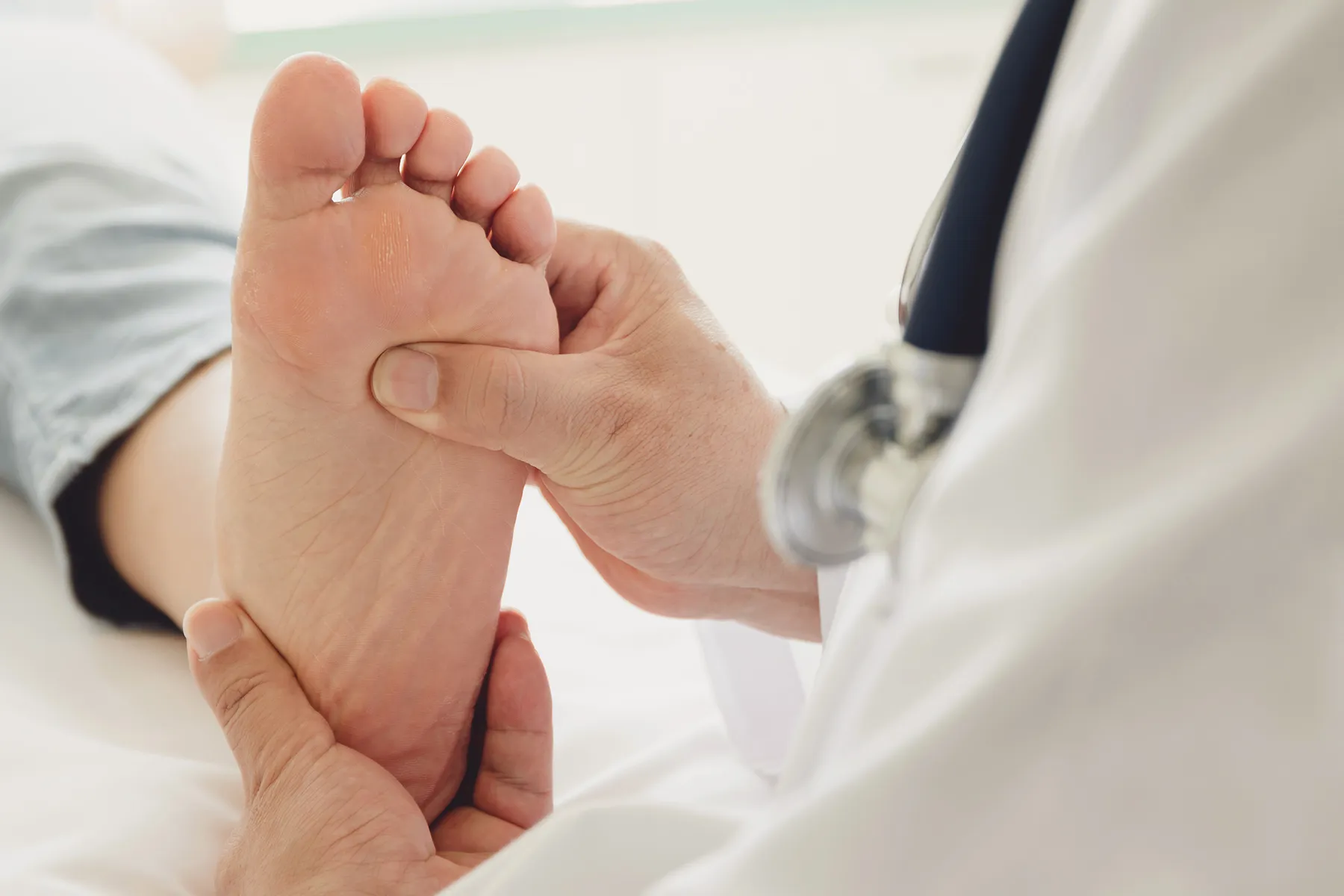

Recovering from foot surgery requires careful attention, and diabetes can make the healing process more demanding. Diabetic Foot Care At Home In Dubai can support recovery by helping patients maintain proper wound care, follow activity restrictions, monitor blood glucose, and identify potential complications early. Support from a Doctor at Home can also be helpful when mobility is limited or when changes in the surgical area need professional assessment. Following the surgeon's instructions closely and maintaining a consistent home-care routine can help create better conditions for recovery.
Why Post-Surgery Foot Care Is Important:
After surgery, the incision and surrounding tissues need time to heal. People with diabetes may have additional challenges because changes in nerve sensation and circulation can affect how injuries are noticed and how the body responds to tissue damage. Careful postoperative care can help protect the surgical site from unnecessary pressure, contamination, and trauma. Patients should follow their surgeon's specific instructions regarding dressings, weight-bearing, medications, mobility, and follow-up appointments because recovery requirements can vary depending on the procedure.
Follow Your Surgical Care Instructions:
The instructions provided by your surgical team should form the foundation of your recovery plan. Do not change dressing schedules, activity restrictions, medication routines, or weight-bearing instructions without professional guidance. If you are unsure about how to care for the incision or when an activity is safe, contact your healthcare provider rather than guessing. Keeping written instructions somewhere accessible can make it easier for patients and caregivers to follow the recovery plan consistently.
Important instructions may cover:
- Dressing changes
- Wound cleaning
- Weight-bearing restrictions
- Elevation
- Medication schedules
- Recommended exercises
- Follow-up appointments
- Warning signs requiring medical attention
Keep the Surgical Wound Clean and Protected:
Proper wound protection is essential after diabetic foot surgery. Follow the recommended wound-care instructions and keep dressings clean and appropriately secured. Do not remove or replace a dressing earlier than instructed unless a healthcare professional advises you to do so. Avoid applying creams, powders, herbal preparations, or antiseptics that have not been recommended. If the dressing becomes excessively wet, dirty, loose, or saturated, contact the healthcare team for guidance on what to do.
Monitor the Incision Every Day:
Regular observation can help identify changes that may require professional attention. Depending on the surgical instructions, inspect the area around the incision when changing the dressing or during the recommended wound-care routine. Look for increasing redness, swelling, warmth, drainage, wound separation, or changes in appearance. Do not repeatedly touch or manipulate the surgical site simply to check it. If something looks significantly different from the expected recovery pattern, contact your healthcare provider.
Watch for:
- Increasing redness
- Worsening swelling
- New or unusual drainage
- Pus
- Unpleasant odor
- Increasing warmth
- Wound separation
- Significant discoloration
- New or worsening pain
Control Blood Glucose as Recommended:
Maintaining the diabetes management plan is an important part of postoperative recovery. Follow your healthcare professional's recommendations for blood glucose monitoring, medications, meals, and other aspects of diabetes management. Illness, reduced activity, changes in appetite, and medications can sometimes affect blood glucose levels, so monitoring may be particularly important during recovery. Do not independently change diabetes medication doses based on individual readings unless your healthcare team has provided specific instructions for doing so.
Follow Weight-Bearing Restrictions:
After foot surgery, your surgeon may recommend avoiding weight on the affected foot or limiting how much weight can be placed on it. These restrictions are designed to protect healing tissues and should be followed carefully. Walking too much too soon can place unnecessary stress on the surgical site. Use crutches, walkers, wheelchairs, surgical shoes, or other prescribed equipment according to professional instructions. If you are unsure about how much weight you can safely place on the foot, ask your healthcare provider.
Elevate the Foot When Advised:
Elevation may be recommended during the early recovery period to help manage postoperative swelling. Follow the specific positioning instructions provided by your surgical team. Avoid positions that cause discomfort or interfere with circulation. If swelling suddenly increases, becomes severe, or is accompanied by significant pain, discoloration, or other concerning changes, do not assume that elevation alone is sufficient. Contact your healthcare provider for appropriate advice.
Use Mobility Aids Safely:
Mobility aids can make movement safer while the foot heals, but they should be used correctly. A caregiver can help clear pathways, ensure adequate lighting, and position commonly used items within easy reach. Avoid rushing, particularly when moving between rooms or transferring from a bed or chair. If the mobility aid causes discomfort or appears difficult to use, ask a healthcare professional whether it needs adjustment.
A safer recovery environment can include:
- Clear walking paths
- Secure flooring
- Adequate lighting
- Accessible seating
- Properly adjusted mobility aids
- Frequently used items within reach
Protect the Foot From Pressure and Injury:
The recovering foot may be vulnerable to pressure and accidental trauma. Do not place unnecessary weight on the surgical area, and follow recommendations regarding protective footwear or surgical devices. Avoid walking barefoot because reduced sensation can make injuries harder to detect. Check footwear and mobility equipment for anything that could rub against or press on the surgical site. If a particular position or device causes new redness or irritation, discuss it with your healthcare provider.
Maintain Good Foot Hygiene:
Hygiene remains important during recovery, but the surgical wound must be protected according to the instructions provided by the surgical team. Do not soak the operated foot unless specifically instructed to do so. When washing is permitted, follow the recommended method and dry surrounding skin carefully. Avoid harsh scrubbing around the surgical site. Keeping the area appropriately clean and protected can support the overall wound-care plan while minimizing unnecessary irritation.
Eat for Recovery and Overall Health:
Nutrition provides the body with energy and nutrients needed for normal tissue maintenance and recovery. Follow a balanced eating pattern that fits your diabetes management plan and any dietary recommendations provided by your healthcare professional. Include a variety of nutrient-rich foods, such as vegetables, appropriate sources of protein, whole grains when suitable, and other foods recommended for your individual needs. Avoid making major dietary changes without professional guidance, particularly if you have other medical conditions or specific nutritional requirements.
Stay Hydrated According to Medical Advice:
Adequate hydration supports general health, but fluid requirements differ among individuals. People with certain heart, kidney, or other health conditions may have specific fluid restrictions. Follow the recommendations given by your healthcare team rather than assuming that increasing fluid intake is appropriate. Keep water accessible if permitted and pay attention to signs of dehydration or other changes that should be discussed with a healthcare professional.
Avoid Smoking During Recovery:
Smoking can negatively affect circulation and may interfere with the body's ability to recover from surgery. If you smoke, discuss cessation support with your healthcare professional. Avoid exposure to tobacco smoke as much as possible. Improving circulation and supporting overall health can be particularly important when recovering from foot surgery while managing diabetes.
Attend All Follow-Up Appointments:
Postoperative appointments allow healthcare professionals to evaluate the incision, healing progress, swelling, circulation, and other aspects of recovery. Attend scheduled appointments even when the foot appears to be healing normally. Your healthcare team may adjust wound care, activity restrictions, footwear, or rehabilitation recommendations as healing progresses. If transportation or mobility is difficult, discuss available options with your healthcare provider rather than skipping necessary follow-up care.
Recognize Possible Infection Signs:
People recovering from surgery should know the warning signs that may require professional assessment. Increasing redness, swelling, warmth, drainage, pus, unpleasant odor, or worsening pain around the surgical site can be concerning. Fever or feeling generally unwell may also require prompt medical attention. Because diabetes can affect sensation, the absence of severe pain does not necessarily mean that an infection is absent.
Seek professional medical advice if you notice:
- Rapidly increasing redness
- Significant swelling
- Pus or unusual drainage
- Wound separation
- Increasing warmth
- Severe or worsening symptoms
- Fever or chills
- Significant discoloration
- A wound that appears to deteriorate
Avoid Unapproved Home Treatments:
During recovery, it may be tempting to use home remedies, massage, heat, or unfamiliar topical products. These approaches can interfere with the surgical wound or cause additional injury, particularly when sensation is reduced. Do not apply products or use treatments that have not been approved by your surgical or healthcare team. Heating pads and hot-water bottles are especially risky for individuals with reduced foot sensation because burns may occur without immediate awareness.
Make Caregiver Support Part of Recovery:
A caregiver can provide valuable assistance during the recovery period, especially when mobility is temporarily restricted. They can help with medication reminders, preparing appropriate meals, checking the environment for hazards, observing the surgical site according to instructions, and arranging follow-up appointments. Caregivers should not independently diagnose complications or change treatment plans. Their role is to support the patient's prescribed recovery plan and communicate concerning changes to the healthcare team.
Know When to Seek Urgent Help:
Some postoperative symptoms require prompt evaluation rather than routine monitoring. Severe or rapidly worsening swelling, significant discoloration, heavy drainage, a rapidly deteriorating wound, or systemic symptoms should receive appropriate medical attention. If you are concerned about the surgical site, contact your healthcare provider promptly rather than waiting for the next scheduled appointment. Early evaluation can help determine whether the change is part of normal recovery or requires additional treatment.
Final Thoughts:
Diabetic foot care after surgery requires consistency, patience, and close communication with the healthcare team. Protecting the surgical wound, following weight-bearing restrictions, monitoring changes, managing blood glucose according to medical advice, maintaining appropriate hygiene, and attending follow-up appointments can all contribute to a safer recovery. Patients should avoid unapproved home treatments and should seek professional attention when wounds worsen, swelling increases, infection signs appear, or other concerning changes develop. With appropriate Diabetic Foot Care At Home In Dubai, patients and caregivers can create a structured recovery routine while supporting the healing process and reducing avoidable complications.

