


Health Monitoring Devices: A Practical Guide to Everyday Health Tracking
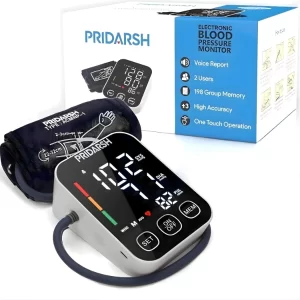
Keeping track of basic health measurements can help people better understand changes in their health and communicate useful information to healthcare professionals. Today, a wide range of health monitoring devices is available for use at home, making routine measurements more convenient.
From blood pressure monitors and thermometers to pulse oximeters and other personal monitoring equipment, different devices are designed to measure different health indicators.
If you are planning to explore Health Monitoring Devices, understanding how these devices work and what to consider before purchasing can help you make a more informed decision.
What Are Health Monitoring Devices?
Health monitoring devices are tools designed to measure or track specific health-related information. Some are intended for occasional home use, while others may be used regularly as part of an individual's healthcare routine.
Common examples include:
- Blood pressure monitors
- Digital thermometers
- Pulse oximeters
- Blood glucose monitoring equipment
- Heart-rate monitoring devices
- Weight scales
- Other personal health measurement tools
The appropriate device depends on what needs to be monitored and, when relevant, the recommendations of a healthcare professional.
Common Types of Health Monitoring Devices
Blood Pressure Monitors
Blood pressure monitors measure blood pressure and may be useful for people who have been advised to monitor their blood pressure at home.
When selecting a monitor, consider cuff size, display readability, measurement method, and whether the device has features such as memory or multiple-user support.
Using the correct cuff size is important for obtaining a meaningful measurement.
Digital Thermometers
Thermometers measure body temperature and are commonly used at home to check for fever or changes in temperature.
Digital thermometers are available in different designs and may be intended for oral, underarm, forehead, or other measurement methods. Always follow the instructions for the specific thermometer.
Pulse Oximeters
Pulse oximeters are small devices commonly placed on a fingertip to estimate blood oxygen saturation and pulse rate.
Readings can be affected by factors such as movement, cold fingers, nail products, and device positioning. If a reading appears unusual, follow the device instructions and consider repeating the measurement correctly.
A pulse oximeter should not be used as a substitute for professional medical evaluation.
Blood Glucose Monitoring Equipment
People with diabetes may use glucose-monitoring equipment as part of their prescribed care routine. Depending on the system, this may include a glucose meter, test strips, lancets, or other compatible accessories.
Always use compatible supplies and follow the manufacturer's instructions and healthcare professional's recommendations.
Why Use Health Monitoring Devices at Home?
Home monitoring can provide convenient access to certain health measurements. For people who have been advised to monitor a specific condition, keeping records may also help healthcare professionals understand patterns over time.
Potential benefits include:
Convenience: Measurements can be taken at home when appropriate.
Tracking: Regular records can help identify changes or trends.
Communication: Recorded information can be useful when discussing health with a healthcare professional.
Awareness: Monitoring can help individuals become more familiar with their usual measurements.
However, home measurements should be interpreted appropriately. A device reading does not provide a complete diagnosis of a person's health.
How to Choose a Health Monitoring Device
The right device depends on what you need to measure.
1. Identify the Measurement
First determine whether you need to measure temperature, blood pressure, oxygen saturation, glucose, pulse rate, or another health indicator.
2. Check Product Specifications
Read the manufacturer's specifications carefully. Look for information about intended use, measurement range, power requirements, cuff or sensor size, and other relevant features.
3. Consider Ease of Use
A device with a clear display and straightforward controls may be easier to use consistently.
4. Consider Accuracy and Validation
For medical monitoring devices, look for products that provide appropriate accuracy information and, where applicable, recognized validation or certification. Follow professional guidance when selecting equipment for ongoing medical monitoring.
5. Check Replacement Requirements
Some devices require replacement components, such as batteries, cuffs, sensors, or testing supplies. Consider the availability and compatibility of these items before purchasing.
For consumers exploring Health Monitoring Devices USA, KonicaMart provides an online destination for browsing medical equipment and health-related monitoring products.
Tips for Getting Better Home Measurements
Using a device correctly is just as important as selecting a suitable product.
Follow the Instructions
Every monitoring device has specific operating procedures. Read the manufacturer's instructions before first use.
Create Consistent Conditions
For measurements such as blood pressure or pulse, factors such as recent activity, posture, and stress may influence results. Following a consistent routine can make readings easier to compare.
Keep the Device Clean
Clean and maintain equipment according to the manufacturer's instructions.
Check Batteries
Low batteries can affect device operation. Replace batteries according to the manufacturer's recommendations.
Keep Records When Recommended
If your healthcare professional has asked you to track measurements, record the date, time, reading, and any other requested information.
Common Mistakes to Avoid
Even a good monitoring device can provide misleading results if used incorrectly.
Ignoring instructions: Different devices require different procedures.
Using the wrong accessories: Compatibility is essential for equipment such as glucose meters and test strips.
Taking measurements immediately after activity: Some measurements can change temporarily after exercise or physical exertion.
Using damaged equipment: Cracked displays, damaged cuffs, worn sensors, or other problems can affect usability.
Relying entirely on one reading: A single measurement may not represent the complete health picture.
If you repeatedly receive unexpected readings, consult a healthcare professional or the device manufacturer.
Storing Health Monitoring Equipment
Proper storage can help protect monitoring devices.
Keep equipment in a clean, dry location and follow the manufacturer's recommended temperature and storage conditions.
Avoid exposing devices to excessive heat, moisture, or direct sunlight unless the manufacturer specifically states that the product can tolerate those conditions.
Keep small components and batteries safely away from young children.
Health Monitoring Devices Buying Checklist
Before purchasing, consider:
|
Consideration |
What to Check |
|
Purpose |
What health measurement is required? |
|
Accuracy |
Manufacturer's accuracy information |
|
Ease of use |
Display and controls |
|
Size |
Suitable for intended user |
|
Compatibility |
Required accessories or components |
|
Power |
Battery or other power requirements |
|
Maintenance |
Cleaning and replacement needs |
|
Instructions |
Clear usage guidance |
When Should You Contact a Healthcare Professional?
Health monitoring devices are designed to support measurement, not replace professional healthcare.
Contact a qualified healthcare professional when you have concerns about persistent or unusual readings, symptoms, or changes in your health.
For urgent or severe symptoms, seek appropriate medical attention rather than relying on a home monitoring device.
Frequently Asked Questions
1. What are health monitoring devices?
Health monitoring devices are tools used to measure specific health indicators such as blood pressure, temperature, pulse rate, blood oxygen saturation, or blood glucose.
2. Can I use health monitoring devices at home?
Many health monitoring devices are designed for home use. However, users should follow the manufacturer's instructions and any guidance provided by their healthcare professional.
3. How do I choose the right health monitoring device?
Start by identifying what you need to measure. Then compare the device's specifications, intended use, ease of operation, accuracy information, size, and replacement requirements.
4. How can I improve the reliability of home measurements?
Follow the manufacturer's instructions carefully, use the correct accessories, maintain the device properly, and take measurements under consistent conditions when possible.
5. Should I trust every reading from a home monitoring device?
A device reading should be considered in context. If a result seems unusual, repeat the measurement according to the instructions and discuss persistent concerns with a healthcare professional.
6. How should health monitoring devices be stored?
Store devices according to the manufacturer's instructions, generally in a clean, dry environment away from unsuitable temperatures and moisture.
7. Where can I find health monitoring devices online?
Consumers looking for Health Monitoring Devices Online USA can explore available medical equipment at KonicaMart and compare products based on their intended use and specifications.
Final Thoughts
Health monitoring devices can make certain types of health measurement more convenient at home. Whether monitoring temperature, blood pressure, pulse, oxygen saturation, or glucose, selecting the right equipment and using it correctly are essential.
Before purchasing a device, consider its intended purpose, specifications, compatibility, ease of use, maintenance requirements, and manufacturer guidance. Most importantly, use home monitoring as a complement to professional healthcare rather than as a replacement for medical advice.
KonicaMart offers an online destination for exploring health monitoring equipment and other medical supplies for everyday healthcare needs.

 Bangla