


Brick Chimney Repair: Understanding Damage, Solutions & Chimney Repair Cost
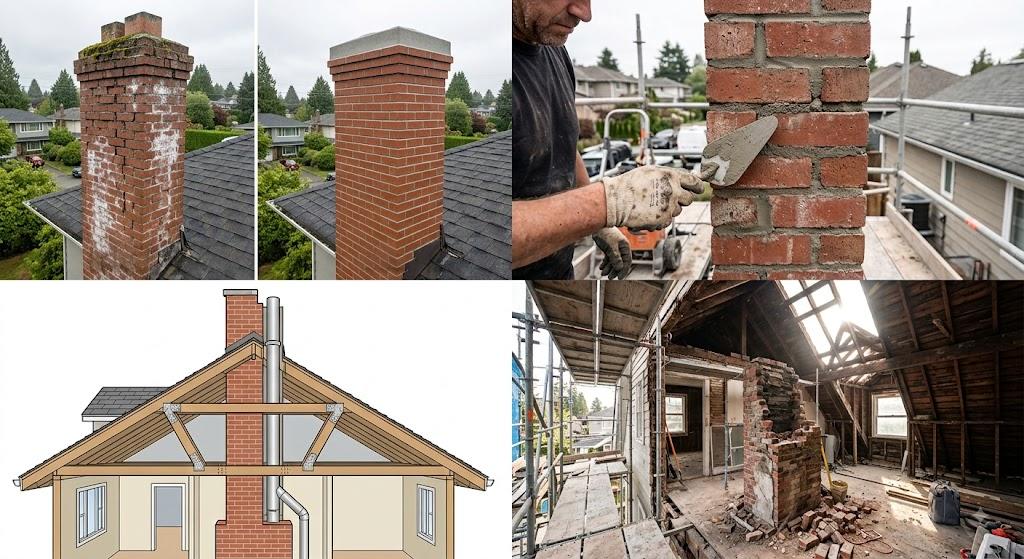
A brick chimney adds character, warmth, and value to a home, but it also faces constant exposure to rain, snow, wind, moisture, and changing temperatures. Over time, bricks and mortar can deteriorate, creating cracks, leaks, loose masonry, and structural concerns. Understanding when brick chimney repair is needed and what influences chimney repair cost can help homeowners make informed decisions before minor problems become expensive repairs.
Whether your chimney has developed cracked bricks, deteriorating mortar, or water damage, timely professional attention can help protect both the chimney and the surrounding areas of your home.
Why Brick Chimneys Develop Damage
Brick chimneys are durable, but years of exposure to harsh weather can gradually affect their condition. Moisture is one of the biggest causes of chimney deterioration. Water can enter through damaged mortar joints, cracked bricks, an aging chimney crown, or failing flashing.
Freezing temperatures can make the problem worse. When water enters small cracks and freezes, it expands and puts pressure on surrounding masonry. Repeated freeze-thaw cycles can cause bricks to crack, crumble, or loosen.
Poor construction, age, inadequate maintenance, and chimney movement can also contribute to deterioration. Regular inspections can identify these problems early and determine whether brick chimney repair is necessary.
Signs Your Brick Chimney Needs Repair
Recognizing early warning signs can help prevent more serious damage. Homeowners should pay attention to:
- Cracked or broken bricks
- Crumbling or missing mortar
- Loose sections of masonry
- White stains on brick surfaces
- Water stains around the fireplace or ceiling
- Damaged chimney crown
- Leaning or visibly unstable chimney sections
- Rust around the chimney or fireplace components
- Pieces of brick or mortar appearing around the property
Some damage may be purely cosmetic, while other signs can indicate deeper structural or moisture-related problems. A professional assessment can determine the appropriate repair approach.
What Does Brick Chimney Repair Involve?
The repair process depends on the type and extent of damage. Minor deterioration may require repointing, where damaged mortar is removed and replaced with new mortar. This helps restore the joints and reduce moisture penetration.
Damaged bricks may need to be carefully removed and replaced with suitable matching materials. If deterioration affects a larger portion of the chimney, rebuilding or partial reconstruction may be necessary.
Other repairs may include chimney crown restoration, flashing repairs, waterproofing, or chimney cap replacement. Addressing related problems is important because repairing only the visible masonry may not solve the underlying cause.
Professional brick chimney repair should focus on restoring both the appearance and functionality of the chimney while reducing the likelihood of recurring damage.
Understanding Chimney Repair Cost
One of the first questions homeowners often ask is, “How much will my chimney repair cost?” Unfortunately, there is no single price that applies to every chimney. The final cost depends on several factors, including the size of the chimney, accessibility, materials, labor requirements, and severity of the damage.
Minor mortar repairs are generally less involved than replacing numerous damaged bricks or rebuilding an entire chimney section. A chimney requiring extensive structural restoration may involve additional labor, scaffolding, materials, and safety precautions.
The location of the damage can also affect chimney repair cost. Repairs near the top of a tall chimney may require specialized access equipment, while work in difficult-to-reach areas can increase labor time.
Factors That Influence Chimney Repair Cost
Several important factors can influence the overall project price:
Extent of damage: A few damaged mortar joints require less work than widespread masonry deterioration.
Type of repair: Repointing, brick replacement, crown repair, rebuilding, and waterproofing involve different materials and labor.
Chimney size and height: Larger or taller chimneys can require more materials and additional equipment.
Accessibility: Difficult roof access or restricted work areas may increase preparation and labor requirements.
Material matching: Older homes may require carefully matched bricks to maintain the chimney's original appearance.
Underlying moisture problems: If water intrusion is causing the deterioration, additional repairs may be needed to prevent the damage from returning.
Because of these variables, homeowners should obtain a professional evaluation rather than relying on a generic estimate.
Why Delaying Repairs Can Increase Costs
Putting off brick chimney repair may seem like a way to save money, but deterioration can become more extensive over time. A small mortar crack can allow moisture into the masonry. Continued exposure can weaken surrounding bricks and create larger openings.
Eventually, localized repairs may no longer be sufficient. More extensive rebuilding could become necessary, increasing the overall chimney repair cost.
Water can also travel from the chimney into nearby roofing, insulation, ceilings, and walls. Addressing the source early can help reduce the risk of additional property damage.
Professional Repairs vs. DIY Solutions
Some homeowners may consider repairing chimney masonry themselves. However, chimney work often involves working at height and dealing with structural masonry. Incorrect mortar selection, improper brick replacement, or inadequate sealing can create additional problems.
Professional chimney contractors have the equipment and experience needed to evaluate the structure and recommend suitable repairs. They can also identify issues that may not be visible from ground level.
Investing in professional brick chimney repair can help ensure that the work addresses both visible damage and potential underlying causes.
Protect Your Chimney With Timely Maintenance
A brick chimney can last for decades when properly maintained, but ignoring deterioration can shorten its service life. Regular inspections, moisture prevention, and prompt repairs can help protect your chimney from weather-related damage.
If you notice cracked bricks, deteriorating mortar, water stains, or loose masonry, arrange an inspection before the problem worsens. Understanding the factors that affect chimney repair cost can also help you budget appropriately and compare repair options.
Ultimately, timely brick chimney repair is an investment in your home's safety, appearance, and long-term condition. Addressing problems early can prevent more extensive deterioration and help keep your chimney strong and dependable for years to come.

 Bangla