


Chlamydia Test: Can You Have It Without Symptoms?
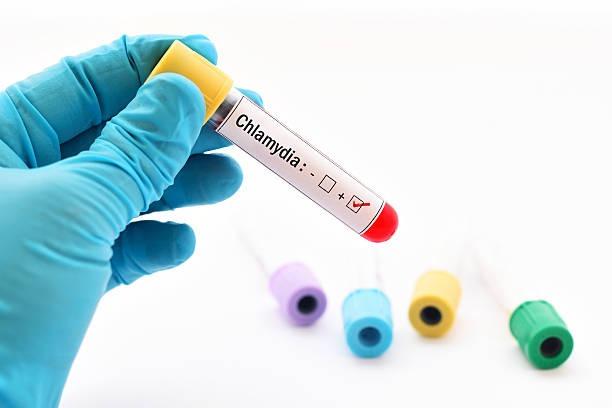
A Chlamydia Test in Dubai can be important even when you feel completely healthy because Chlamydia does not always cause noticeable symptoms. Many people with the infection may not realize that they have it, which means they can potentially pass it to sexual partners without knowing.
Understanding asymptomatic Chlamydia can help you recognize why testing may be recommended after certain types of sexual exposure and why symptoms alone should not be used to decide whether an STI test is necessary.
Can Chlamydia Exist Without Symptoms?
Yes. Chlamydia can be present without obvious symptoms. This is one of the main reasons the infection can spread between sexual partners without either person realizing that an infection is present.
When symptoms do occur, they may be mild and can sometimes be confused with other conditions. Some people may therefore ignore early signs or assume that temporary discomfort is unrelated to an STI.
Testing provides a way to identify an infection that may otherwise go unnoticed.
Why Does Asymptomatic Chlamydia Matter?
An infection without symptoms can still be transmitted to another person. Someone who feels healthy may unknowingly pass Chlamydia to a sexual partner.
Undetected Chlamydia can also remain untreated. Depending on the individual and the site of infection, untreated infection can be associated with complications, particularly when it persists.
For these reasons, appropriate screening can be an important part of sexual healthcare for people with relevant risk factors or potential exposure.
What Symptoms Can Chlamydia Cause?
Although Chlamydia may be asymptomatic, some people develop symptoms. Possible signs can include burning or discomfort during urination, unusual genital discharge, pelvic discomfort, pain during sexual activity, or testicular pain or swelling.
Women may experience changes in vaginal discharge, bleeding between periods, or pelvic discomfort. Men may notice discharge from the penis, burning during urination, or discomfort around the testicles.
These symptoms are not specific to Chlamydia. Other infections and medical conditions can cause similar problems, so testing and professional evaluation are important.
Who Should Consider Chlamydia Testing?
Testing may be appropriate for people who have had a possible sexual exposure, especially when protection was not used or when a sexual partner has been diagnosed with Chlamydia.
Healthcare professionals may also recommend screening based on a person's age, sexual health history, pregnancy status, symptoms, or other clinical factors.
If a partner tells you that they have tested positive for Chlamydia, seek medical advice even if you have no symptoms.
Can You Have Chlamydia After Unprotected Sex Without Knowing?
Yes. A person can acquire Chlamydia after sexual contact and have no immediate or noticeable symptoms.
This is why relying on how you feel after unprotected sex is not a reliable way to determine whether an infection occurred. If you are concerned about a recent exposure, discussing testing with a healthcare professional can help determine the appropriate next step.
The timing of testing also matters because testing immediately after exposure may be too early to detect an infection.
How Is Asymptomatic Chlamydia Detected?
Chlamydia is commonly detected using molecular testing such as a nucleic acid amplification test (NAAT). Depending on the exposure and body site involved, testing may use urine or a swab.
The appropriate sample is important. If a particular body site was exposed, the healthcare professional may determine whether site-specific testing is needed.
Providing accurate information about your sexual exposure can help the clinician choose the most suitable testing approach.
Does a Negative Test Always Rule Out Chlamydia?
A negative result means that Chlamydia was not detected in the collected sample. However, the result needs to be considered alongside the timing of the test, the sample collected, and the body site tested.
If testing was performed very soon after a possible exposure, a healthcare professional may recommend follow-up testing depending on the circumstances.
If you continue to have symptoms despite a negative result, additional medical assessment may also be appropriate.
Can Chlamydia Spread Without Symptoms?
Yes. Because Chlamydia can be asymptomatic, an infected person may transmit the bacteria without realizing that they have an infection.
This is one reason why testing can be important for people who have potential exposure, even when they feel healthy.
If someone tests positive, their sexual partners may need medical evaluation and, where appropriate, treatment. Following professional advice can help reduce the risk of ongoing transmission and reinfection.
What Happens If Chlamydia Is Detected?
If a test confirms Chlamydia, a healthcare professional can recommend appropriate antibiotic treatment. It is important to take prescribed medication exactly as directed.
Depending on the circumstances, recent sexual partners may also need evaluation and treatment. You should follow your healthcare provider's advice about sexual activity during treatment.
Follow-up testing may also be recommended in certain situations.
Why Should You Consider an STD Test in Dubai?
An STD Test in Dubai can provide an opportunity to screen for Chlamydia and potentially other sexually transmitted infections when appropriate.
Because Chlamydia can occur without symptoms, people should not assume that they are infection-free simply because they feel normal. A healthcare professional can assess your circumstances and determine which tests may be appropriate.
If you have had a new sexual partner, unprotected sexual contact, a partner diagnosed with an STI, or concerns about a previous exposure, consider discussing your situation with a qualified healthcare provider.
How Can You Reduce the Risk of Chlamydia?
Reducing the risk of Chlamydia involves making informed decisions about sexual health. Using condoms correctly can reduce the risk of transmission, although they may not eliminate the risk completely.
Testing when appropriate, communicating with sexual partners, and completing treatment when an infection is diagnosed can also help reduce transmission.
If you or a partner has been diagnosed with Chlamydia, follow medical advice before resuming sexual activity.
Final Thoughts
Yes, you can have Chlamydia without symptoms. Feeling healthy does not necessarily mean that you do not have the infection, which is why appropriate screening can be important after potential exposure.
A Chlamydia Test can help identify an infection that may otherwise remain unnoticed. If you are concerned about a recent exposure or have a partner who tested positive, speak with a healthcare professional about the appropriate test, timing, and follow-up.

 Bangla