


Urine Analysis Test: What Does High or Low pH Mean?
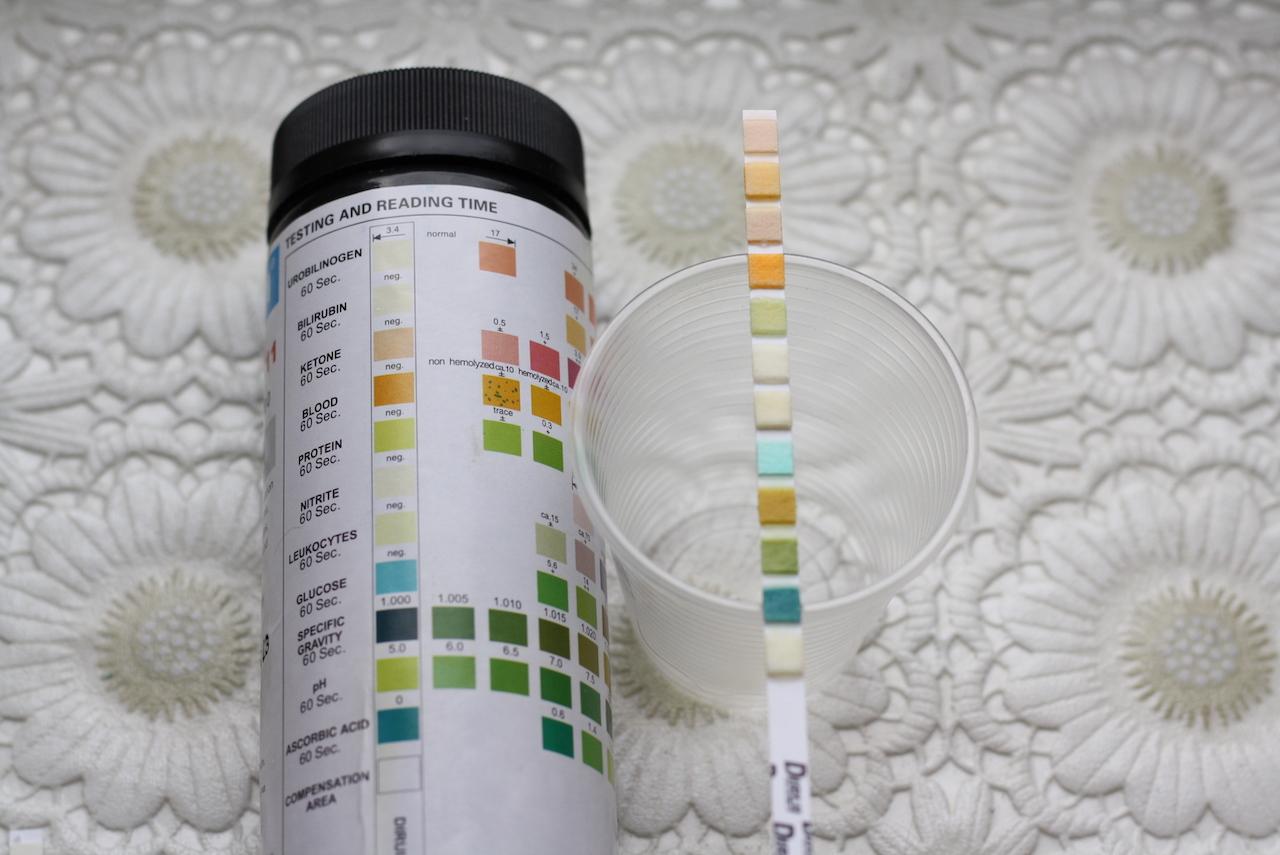
Protein in urine is one of the findings that can make a routine urine analysis report look concerning. The good news is that protein detected in a urine sample does not always mean that something is seriously wrong with the kidneys. Sometimes it is temporary. In other situations, persistent protein loss can be an early warning sign of kidney damage.
A Urine Analysis in Dubai, also called a urinalysis, helps doctors identify abnormalities in urine by examining its appearance, chemical composition, and microscopic contents. When protein is detected, healthcare professionals may use additional urine and blood tests to determine how significant the finding is and whether the kidneys are functioning normally.
Understanding the reason behind proteinuria is more important than focusing on one abnormal result. Here is what doctors typically look for and how they interpret protein in urine.
What Is Proteinuria and Why Does It Matter?
Proteinuria is the medical term used when an unusually high amount of protein is present in urine.
Your kidneys contain millions of tiny filtering units called nephrons. Within each nephron is a network of blood vessels known as the glomerulus. These structures filter waste and excess fluid from the blood while normally keeping most proteins in the bloodstream.
If this filtration barrier becomes more permeable or damaged, proteins can pass into the urine.
A small, temporary increase in urine protein can happen without permanent kidney damage. Persistent proteinuria, however, may indicate that the kidneys are being affected by conditions such as diabetes, high blood pressure, inflammation, or other kidney disorders.
How Does a Urinalysis Find Protein?
A routine urinalysis often begins with a chemical dipstick test. The dipstick is designed to react with certain substances in urine, including protein.
The result may be reported as negative, trace, or increasing levels of protein depending on the laboratory's reporting system.
A dipstick is useful as a screening tool, but it does not necessarily tell doctors exactly how much protein a person is losing throughout the day.
If protein is detected, a healthcare professional may order a more specific measurement, such as a urine albumin-to-creatinine ratio or urine protein-to-creatinine ratio.
These tests can provide a more meaningful assessment than a simple dipstick result.
Does Protein in Urine Always Mean Kidney Disease?
No. This is one of the most important points to understand.
Protein may temporarily appear in urine because of conditions that do not cause permanent kidney damage. Examples include:
-
Dehydration
-
Fever
-
Intense physical exercise
-
Acute illness
-
Physical stress on the body
For this reason, doctors may repeat urine testing before deciding whether proteinuria is persistent.
If protein continues to appear in repeated samples, further investigation may be appropriate.
When Does Protein in Urine Suggest a Kidney Problem?
Persistent proteinuria becomes more significant when it occurs repeatedly or appears alongside other abnormalities.
For example, protein in urine together with blood, abnormal urinary casts, high blood pressure, or reduced kidney function may suggest a kidney-related disorder.
Doctors may also consider risk factors such as diabetes, hypertension, cardiovascular disease, obesity, or a family history of kidney disease.
The amount and type of protein can also matter. Albumin is particularly important because increased albumin leakage can be an early marker of damage to the kidney's filtration barrier.
Albuminuria: A More Specific Kidney Marker
You may see the term albuminuria on a medical report.
Albumin is the most abundant protein in human blood. Under normal circumstances, only a small amount passes into urine.
When albumin levels in urine become elevated, it can indicate that the kidneys are allowing more albumin to cross the filtration barrier than they should.
Doctors commonly assess this using the urine albumin-to-creatinine ratio, often abbreviated as UACR or ACR.
The test compares the amount of albumin with creatinine in the urine, helping account for how concentrated the urine sample is.
Persistent albuminuria can be an important indicator of kidney damage, particularly in people who have diabetes or high blood pressure.
What Can Cause Protein in Urine?
The causes range from temporary conditions to chronic diseases.
Diabetes and Kidney Damage:
Diabetes is one of the major risk factors for chronic kidney disease.
Persistently elevated blood glucose can damage the small blood vessels and filtering structures inside the kidneys. Albumin may begin appearing in urine before a person develops obvious symptoms or significant changes in kidney filtration.
For this reason, urine albumin testing is an important part of kidney monitoring for many people with diabetes.
High Blood Pressure:
Long-term high blood pressure can place stress on the blood vessels and filtering structures of the kidneys.
Over time, uncontrolled hypertension can contribute to kidney damage and protein leakage into urine.
Monitoring blood pressure and kidney health can therefore be important for people with persistent proteinuria.
Glomerular Disorders:
Some diseases directly affect the glomeruli, the microscopic filtering units of the kidneys.
These conditions can cause significant proteinuria and may also produce blood in urine, swelling, changes in blood pressure, or reduced kidney function.
The specific cause may require specialized laboratory testing and, in selected situations, evaluation by a kidney specialist.
Urinary Tract Inflammation or Infection:
A urinary tract infection can sometimes cause temporary protein in urine, especially when inflammation is present.
A UTI may also produce white blood cells, bacteria, nitrites, or leukocyte esterase on urine testing.
When infection is suspected, doctors may recommend a urine culture to determine whether bacteria are present and identify the organism.
What Other Results Are Checked Alongside Protein?
A urine analysis provides more useful information when its findings are interpreted as a group.
Blood in Urine:
Red blood cells in urine are known as hematuria.
Blood can result from urinary tract infections, kidney stones, or other conditions. When significant protein and blood occur together, doctors may investigate whether the source could be within the kidney itself.
White Blood Cells:
White blood cells can indicate inflammation or infection.
Their presence alongside bacteria or urinary symptoms may support the possibility of a urinary tract infection.
Urinary Casts:
Casts form inside the kidney tubules and can sometimes provide valuable clues about kidney inflammation or injury.
Certain types of casts have particular clinical significance, so doctors may consider them when evaluating abnormal urine microscopy.
Urine Specific Gravity:
Specific gravity provides information about urine concentration.
Although it does not diagnose proteinuria, it can help doctors understand the overall characteristics of the urine sample and interpret other findings.
Which Blood Tests Help Evaluate Proteinuria?
Urine testing is only one part of kidney assessment.
Doctors commonly evaluate serum creatinine, a waste product that is normally removed by the kidneys. Creatinine levels can be used to calculate the estimated glomerular filtration rate (eGFR).
eGFR provides an estimate of how effectively the kidneys are filtering blood.
A person can have albumin in urine even when their eGFR is still within a relatively normal range. This is why both kidney damage markers and kidney filtration measures are important.
Depending on the situation, healthcare professionals may also monitor blood glucose, blood pressure, electrolytes, and other laboratory markers.
What Happens After a Positive Protein Test?
The next step depends on the individual's circumstances.
If protein is detected for the first time, a doctor may repeat the test to determine whether it was temporary.
A more specific urine albumin or protein measurement may then be performed. If persistent proteinuria is confirmed, the healthcare professional may investigate possible causes and assess overall kidney function.
Additional tests may be considered when there are signs of significant kidney disease, unexplained blood in urine, abnormal kidney function, or other concerning findings.
The goal is to identify the cause rather than simply treating the laboratory result.
Can Protein in Urine Be Prevented?
Not every cause of proteinuria can be prevented, but protecting kidney health can reduce the risk of kidney damage.
Managing blood pressure and blood glucose, following medical advice, avoiding unnecessary use of medications that can harm the kidneys, maintaining a healthy lifestyle, and attending recommended health screenings can all support long-term kidney health.
People who already have kidney disease or significant risk factors should follow their healthcare professional's monitoring plan.
What Symptoms Can Occur With Proteinuria?
Mild proteinuria may cause no noticeable symptoms at all.
When protein loss becomes more significant, some people may notice foamy or frothy urine. However, foamy urine can occur for several reasons and does not automatically indicate proteinuria.
Significant kidney disease may also cause swelling around the ankles, feet, hands, or eyes because the body can retain fluid.
Other possible symptoms include fatigue, changes in urination, high blood pressure, or reduced appetite. Some people with kidney disease remain symptom-free during the early stages, which is why appropriate testing is valuable.
When Should You Discuss Protein in Urine With a Doctor?
An unexpected trace amount of protein does not necessarily indicate a serious condition, but persistent or repeated protein findings should be discussed with a healthcare professional.
Medical evaluation becomes particularly important if proteinuria occurs with blood in urine, swelling, high blood pressure, abnormal creatinine, reduced eGFR, diabetes, or a known history of kidney disease.
Do not attempt to diagnose kidney disease based solely on a home urine test or a single laboratory value. A healthcare professional can interpret the findings in relation to your symptoms and medical history.
Frequently Asked Questions:
Is trace protein in urine normal?
A small amount of protein may occur temporarily, especially during dehydration, fever, or strenuous exercise. If protein continues to appear, your healthcare provider may recommend additional testing.
Can dehydration cause protein in urine?
Yes. Dehydration can make urine more concentrated and may contribute to temporary proteinuria. Persistent protein should not automatically be attributed to dehydration, however.
What is the most important urine test for kidney damage?
The urine albumin-to-creatinine ratio is an important test for detecting albuminuria. Doctors may use it together with serum creatinine and eGFR to obtain a broader picture of kidney health.
Does protein in urine mean kidney failure?
No. Proteinuria has many possible causes, and an isolated abnormal result does not mean kidney failure. Persistent proteinuria can indicate kidney damage and should be evaluated appropriately.
Can protein in urine disappear?
Yes. Temporary proteinuria can resolve when the underlying trigger, such as fever, intense exercise, or dehydration, goes away. Persistent proteinuria requires medical assessment.
Final Takeaway:
Protein in urine is a finding that deserves context, not immediate alarm. A urine analysis Lab tests can identify protein and other abnormalities, but doctors usually need additional information to understand why it is present.
Temporary proteinuria can occur during dehydration, fever, acute illness, or intense exercise. Persistent protein or albumin in urine may indicate kidney damage and can be particularly important in people with diabetes or high blood pressure.
If a urine analysis shows protein, your healthcare provider may repeat the test, measure the urine albumin-to-creatinine ratio, check serum creatinine and eGFR, and evaluate other urine findings. Looking at these results together provides a much clearer picture of kidney health and helps determine whether further investigation or treatment is needed.

 Bangla