


Choosing the Right Quilting Supplies and Quilt Fabric Bundles
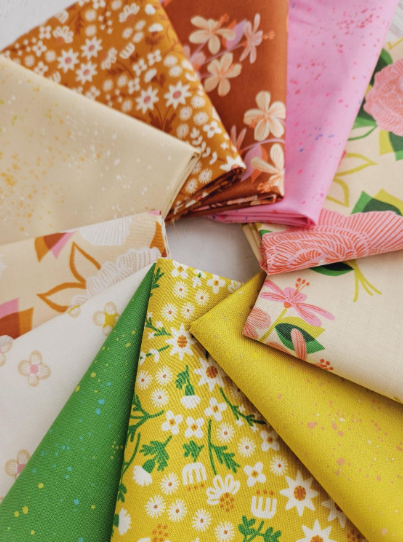
Quilting is a rewarding craft that allows creativity, patience, and practical sewing skills to come together in one project. Whether you are making a small table runner or a full-size quilt, having the right materials can make the process easier and more enjoyable. Choosing quality quilting supplies and coordinating quilt fabric bundles can also help create a finished quilt with a polished and balanced appearance.
Essential Quilting Supplies
Every quilter needs a few basic tools to get started. A quality rotary cutter, cutting mat, and quilting ruler are useful for measuring and cutting fabric accurately. Sharp fabric scissors are also important for trimming pieces and handling tasks that are not suited to a rotary cutter.
Other useful quilting supplies include sewing needles, thread, pins or clips, seam rippers, fabric markers, and an iron. Depending on the project, you may also need batting, quilt backing, binding fabric, and specialized rulers.
Keeping these tools organized can save time and make it easier to focus on the creative side of quilting.
Selecting the Right Fabric
Fabric is one of the most important parts of a quilt. Cotton is a popular choice because it is easy to sew, available in many colors and patterns, and generally suitable for a wide variety of quilting projects.
When choosing fabric, consider the weight, texture, color, and print. Fabrics that work well together can create a cohesive design, while carefully selected contrasting fabrics can make individual quilt blocks stand out.
Benefits of Quilt Fabric Bundles
Quilt fabric bundles can make fabric selection much easier. Instead of purchasing individual fabrics and trying to coordinate them yourself, a bundle usually contains several fabrics selected to complement one another.
Bundles may be organized around a particular color palette, collection, theme, or designer. This can be especially helpful when you want a coordinated look without spending a lot of time comparing individual fabrics.
For beginners, quilt fabric bundles can also provide an easy starting point for experimenting with color and pattern combinations.
Matching Colors and Patterns
Color selection can dramatically affect the overall appearance of a quilt. A bundle containing several shades of one color can create a calm and harmonious design, while a collection with contrasting colors can produce a bold and energetic result.
When working with prints, consider the scale of the patterns. Combining large, medium, and small prints can create visual balance. Solid fabrics can also provide space between busy patterns and help individual designs stand out.
Building a Quilting Toolkit
As your quilting experience grows, your collection of quilting supplies will likely grow as well. You may eventually add specialty rulers, templates, quilting gloves, design boards, storage containers, and additional cutting tools.
However, there is no need to purchase every available tool at once. Start with the basics and add equipment as your projects become more advanced.
Investing in durable tools can also be worthwhile because quality equipment may provide greater accuracy and last through many projects.
Planning Before You Cut
Before cutting fabric, take time to understand the pattern and determine how much material you need. Check the required yardage, seam allowances, block dimensions, and cutting instructions.
If you are using quilt fabric bundles, verify that the bundle contains enough fabric for your chosen project. Some patterns require specific amounts of background fabric, borders, binding, or backing that may need to be purchased separately.
Careful planning can reduce fabric waste and prevent delays during construction.
Organizing Your Fabric
Good organization makes quilting more enjoyable. Store fabrics in a way that allows you to see what you have available. You can organize them by color, collection, fabric type, or project.
Small storage containers can be useful for scraps and precut pieces. Larger pieces can be folded and stored on shelves or in drawers.
Keeping your quilting supplies organized can also help you quickly locate rulers, thread, cutting tools, and other essentials when you are ready to work.
Making the Most of Fabric Bundles
A fabric bundle can be used for much more than one quilt. Depending on the size of the collection, individual fabrics may work well for pillows, table runners, bags, wall hangings, placemats, or smaller patchwork projects.
If a bundle contains several complementary patterns, you can experiment with different arrangements before deciding on a final design.
Using quilt fabric bundles creatively can help you develop your own quilting style while maintaining a coordinated appearance.
Quality Matters
Good-quality fabric and reliable tools can make a noticeable difference in the quilting process. Fabric that maintains its shape and handles repeated sewing can make accurate piecing easier.
Likewise, sharp cutting tools and accurate rulers can help create clean pieces and consistent seams.
While premium quilting supplies are not necessary for every project, choosing dependable basics can improve both the process and the finished result.
Final Thoughts
Having the right materials can make quilting more organized, enjoyable, and creative. Essential quilting supplies provide the tools needed for accurate cutting, sewing, pressing, and finishing, while carefully selected quilt fabric bundles make it easier to create coordinated designs.
Whether you are a beginner building your first sewing toolkit or an experienced quilter exploring a new collection, thoughtful material selection can help turn your ideas into beautiful handmade projects. Start with the essentials, choose fabrics you love, and allow each project to inspire your next creation.

 Bangla