


Hepatitis A Test: What Happens During Testing?
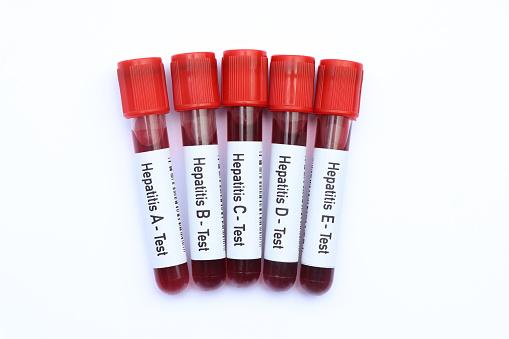
If you have symptoms of hepatitis A or believe you may have been exposed to the virus, your doctor may recommend a Hepatitis A Test in Dubai to determine whether an infection is present. Understanding what happens during testing can make the process easier and help you know what to expect before visiting a clinic or laboratory.
Hepatitis A is a viral infection that primarily affects the liver. Unlike some other forms of viral hepatitis, hepatitis A does not usually become a long-term chronic infection. However, it can cause significant symptoms and may spread from one person to another. Testing can help doctors determine whether your symptoms are related to hepatitis A and whether the infection is recent or indicates previous exposure or immunity.
Why Is a Hepatitis A Test Performed?
A Hepatitis A Test may be recommended when there are symptoms or circumstances that suggest possible infection. Doctors may consider testing if you experience unusual tiredness, loss of appetite, nausea, vomiting, fever, abdominal discomfort, dark urine, pale-colored stools, or yellowing of the skin and eyes.
Testing may also be considered after a possible exposure. Hepatitis A can spread through contaminated food or water and through close contact with an infected person. If you recently experienced a possible exposure, your healthcare provider can determine whether testing is appropriate and whether additional follow-up may be needed.
What Happens Before the Test?
Before the test, a healthcare professional may ask questions about your symptoms, recent travel, food or water exposure, contact with someone who has hepatitis A, vaccination history, and any relevant medical history.
You may also be asked when your symptoms started or when the possible exposure occurred. This information can be important because antibody levels change over the course of an infection.
In many cases, you do not need complicated preparation for a hepatitis A blood test. However, if your doctor has ordered other blood tests at the same time, they may provide specific instructions about fasting or other preparation.
How Is the Hepatitis A Test Performed?
The most common testing process involves collecting a blood sample. A trained healthcare professional usually cleans the skin on your arm and uses a sterile needle to collect a small amount of blood into a collection tube.
The procedure generally takes only a few minutes. You may feel a brief pinch when the needle enters the skin, followed by mild pressure during the collection.
After enough blood has been collected, the needle is removed and a small bandage is placed over the area. Most people can return to their normal activities shortly afterward unless their healthcare provider recommends otherwise.
Which Antibodies Are Tested?
Hepatitis A testing commonly involves checking antibodies against the hepatitis A virus. Two important markers are IgM and IgG antibodies.
Hepatitis A IgM is generally associated with a recent or current infection. When IgM antibodies are detected in the appropriate clinical context, they can help support a diagnosis of acute hepatitis A.
Hepatitis A IgG generally indicates previous exposure or immunity. IgG antibodies can remain after a previous infection and can also be present following vaccination.
Because antibody results can have different meanings, they should be interpreted together with symptoms, exposure history, vaccination history, and other laboratory findings.
Can Other Blood Tests Be Ordered?
A Hepatitis A Test may be performed alongside other blood tests when a doctor is evaluating possible liver inflammation.
For example, liver function tests may be used to assess substances such as ALT and AST, which can become elevated when the liver is affected. Bilirubin may also be checked, particularly when someone has jaundice or dark urine.
These additional tests do not necessarily diagnose hepatitis A by themselves. Instead, they can provide useful information about liver function and help the doctor understand the overall clinical picture.
Does the Test Hurt?
A hepatitis A blood test usually causes only minor discomfort. Some people experience a short-lived pinching sensation when the needle is inserted.
Afterward, there may be slight tenderness or a small bruise around the collection site. Serious complications from routine blood collection are uncommon.
If you feel nervous about needles, telling the healthcare professional beforehand can help them make the process more comfortable.
How Long Do Results Take?
The time required to receive hepatitis A test results depends on the laboratory, the specific tests ordered, and whether the sample is processed on-site or sent to another facility.
Some routine laboratory results may be available relatively quickly, while antibody testing or additional investigations can take longer. Your clinic or laboratory should provide the expected turnaround time when your sample is collected.
It is important not to interpret a result based only on the speed at which it becomes available. Your healthcare provider should explain what the result means in relation to your symptoms and exposure history.
What If the Test Is Negative?
A negative result does not always mean that hepatitis A can be completely ruled out in every situation. Testing too early in the course of an infection may produce a result that does not yet show the expected antibodies.
If you have ongoing symptoms or a significant recent exposure, your doctor may recommend additional evaluation or repeat testing depending on the circumstances.
This is why the timing of the test matters. Always tell your healthcare provider when the possible exposure occurred and when symptoms began.
What If the Test Is Positive?
If testing indicates a recent hepatitis A infection, your doctor will assess your symptoms and overall health. Additional blood tests may be recommended to evaluate liver function and monitor your condition.
Most people recover from hepatitis A with supportive care, although the illness can sometimes be more serious, particularly in people with certain underlying health problems.
A positive result may also have implications for people you have been in close contact with. Your healthcare provider can explain appropriate precautions and whether contacts should seek medical advice.
Is Fasting Required?
Fasting is not generally required specifically for a hepatitis A antibody blood test. However, you may have other laboratory tests performed during the same appointment that have different preparation requirements.
Rather than assuming that fasting is unnecessary or required, follow the instructions provided by your healthcare provider or laboratory before your appointment.
What Should You Tell Your Doctor?
Providing accurate information can help your doctor interpret your Hepatitis A Test more effectively. Tell them about recent travel, potentially contaminated food or water, contact with an infected person, vaccination, symptoms, and the approximate date of any possible exposure.
Also mention whether you have already undergone hepatitis testing or received previous hepatitis A vaccination.
Hepatitis A Test in Dubai
If you are looking for a Hepatitis A Test in Dubai, choose a reputable clinic or laboratory where testing is performed using appropriate laboratory procedures. A healthcare professional can discuss your symptoms and exposure history before recommending the most suitable tests.
If you are experiencing symptoms such as jaundice, dark urine, severe fatigue, persistent vomiting, or significant abdominal discomfort, seeking medical evaluation is particularly important.
Final Thoughts
A Hepatitis A Test is generally a straightforward process involving a blood sample and laboratory analysis of hepatitis A antibodies. Before testing, your healthcare provider may review your symptoms, vaccination history, and possible exposure. After the sample is collected, results are interpreted alongside your clinical information and, when necessary, liver function tests.
Knowing what happens during testing can help you feel more prepared and understand why accurate timing and proper medical interpretation are important.

 Bangla