


Chimney Flashing Repair: Why Inspections Matter for a Leak-Free Home
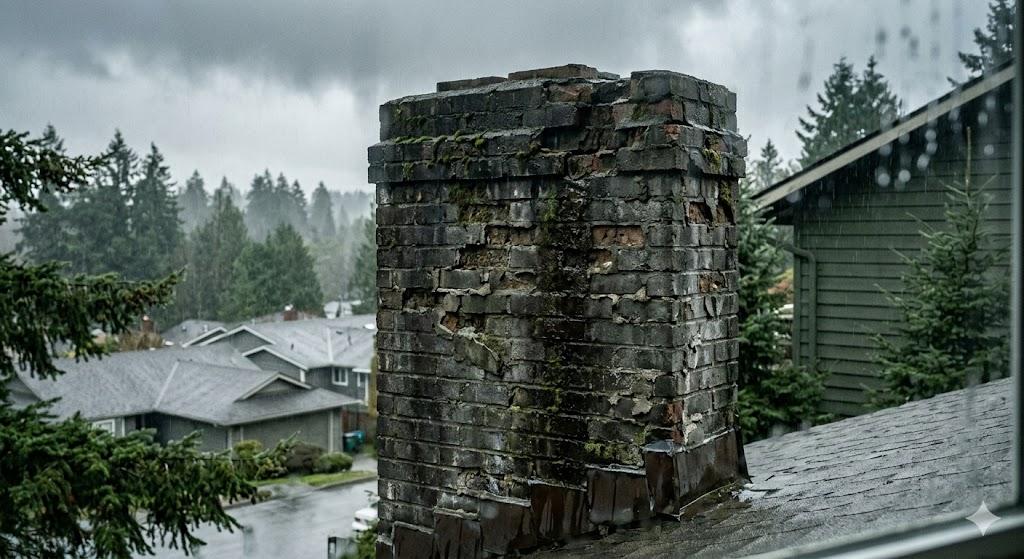
A chimney can add warmth, character, and functionality to a home, but it also creates a vulnerable point where the roof and masonry meet. One of the most important components protecting this area is chimney flashing. When flashing becomes damaged, loose, corroded, or improperly sealed, rainwater can find its way into the roof structure and surrounding areas. Regular chimney inspections and timely chimney flashing repair can help prevent leaks, protect your property, and extend the life of your chimney and roof.
What Is Chimney Flashing?
Chimney flashing is a protective system installed around the point where the chimney intersects with the roof. Its primary purpose is to direct rainwater away from the chimney and into the appropriate roof drainage areas.
Flashing typically works together with counterflashing and sealants to create a water-resistant barrier. Because the chimney and roof can expand and contract at different rates as temperatures change, the flashing system must be properly installed and maintained.
Over time, exposure to rain, snow, ice, wind, and temperature fluctuations can cause flashing materials or seals to deteriorate. Once the protective barrier becomes compromised, moisture can begin entering areas that should remain dry.
Why Chimney Inspections Are Important
Regular chimney inspections can help homeowners identify flashing problems before they lead to significant water damage. A flashing issue may not always be visible from inside the home. In some cases, water can travel beneath roofing materials or through structural components before a noticeable stain appears.
During an inspection, a professional may examine the flashing, chimney masonry, roof intersection, chimney crown, cap, mortar joints, and other components that can contribute to water intrusion.
An inspection may reveal:
- Loose or damaged flashing
- Rust or corrosion
- Cracked sealant
- Gaps around the chimney
- Damaged mortar
- Deteriorating masonry
- Signs of previous water intrusion
- Improperly installed flashing
- Roof damage near the chimney
Identifying these problems early allows homeowners to address them before they become more extensive.
Common Signs of Damaged Chimney Flashing
Flashing problems can sometimes be difficult to recognize from ground level. However, certain warning signs may indicate that the area around the chimney requires professional attention.
Water stains on ceilings or walls near the chimney are common indicators. You may also notice dampness in the attic, peeling paint, musty odors, or visible gaps around the chimney and roof.
Other signs include:
- Water entering during heavy rain
- Damaged or missing flashing
- Rust around metal flashing
- Cracked flashing sealant
- Loose roofing materials near the chimney
- Moisture around the attic
- Deteriorating chimney masonry
If these symptoms appear, scheduling professional chimney inspections can help determine where the moisture is coming from.
What Causes Chimney Flashing Damage?
Several factors can contribute to flashing deterioration. Weather exposure is one of the most common. Constant contact with rain, snow, and ice can gradually weaken flashing materials and sealants.
Temperature changes can also create stress. Roofing materials and masonry expand and contract at different rates, which can eventually create gaps or cracks.
Poor installation is another potential problem. Flashing must be correctly fitted around the chimney to direct water away from vulnerable areas. If it was improperly installed during construction or a previous repair, leaks may develop over time.
Other causes include:
- Corrosion
- Severe storms
- Physical damage
- Aging materials
- Deteriorating mortar
- Failed sealants
- Improper roof maintenance
Understanding the cause is important because simply sealing an existing gap may not provide a lasting solution if the underlying flashing system is damaged.
What Does Chimney Flashing Repair Involve?
The scope of chimney flashing repair depends on the condition of the flashing and surrounding materials. For minor problems, a professional may repair small gaps or replace deteriorated sealant.
If sections of flashing are damaged or corroded, replacement may be necessary. In more serious situations, the existing flashing system may need to be removed and properly reinstalled.
A professional repair may involve:
- Inspecting the chimney and roof intersection.
- Identifying the source of water intrusion.
- Removing damaged or deteriorated materials.
- Repairing surrounding masonry or roofing where necessary.
- Installing or repairing flashing.
- Sealing appropriate joints and transitions.
- Testing the repaired area for potential water entry.
The goal should be to create a durable water-management system rather than simply covering a visible leak.
Why Quick Fixes May Not Be Enough
Homeowners sometimes attempt to solve chimney leaks by applying sealant over visible cracks. While sealant can have a role in certain repairs, it may not resolve deeper problems.
If flashing is corroded, improperly installed, or separated from the surrounding structure, applying additional sealant may only provide temporary protection. Water could continue entering beneath the flashing and cause hidden damage.
Professional chimney flashing repair addresses the condition of the flashing system and helps identify related problems that may contribute to recurring leaks.
Protecting Your Home From Water Damage
Water intrusion around a chimney can affect more than the chimney itself. Persistent moisture may damage roofing materials, attic insulation, wood framing, ceilings, and interior finishes.
Preventative maintenance can help reduce these risks. Homeowners should keep gutters and roof drainage systems clear, monitor the chimney after severe weather, and address visible masonry or flashing problems promptly.
Regular chimney inspections can also provide an opportunity to catch developing issues before they result in extensive damage.
How Often Should Your Chimney Be Inspected?
The appropriate inspection schedule depends on factors such as chimney age, usage, construction, local weather, and previous repair history. Chimneys exposed to harsh weather may require closer monitoring.
Homeowners should also consider an inspection when purchasing an older property, after significant storms, or whenever signs of water intrusion appear.
A professional can recommend an appropriate maintenance schedule based on the chimney's condition.
Choose Professional Chimney Care
Your chimney and roof work together to protect your home from the elements. Damaged flashing can compromise that protection, allowing moisture to enter areas that are difficult and expensive to repair.
Regular chimney inspections can help identify deteriorating flashing, masonry problems, and other potential sources of water intrusion. When damage is discovered, professional chimney flashing repair can restore the protective barrier and help prevent recurring leaks.
Rather than waiting for a ceiling stain or major water damage to appear, take a proactive approach to chimney maintenance. Regular inspections, quality repairs, and proper roof care can help keep your chimney watertight, durable, and ready to protect your home through changing seasons.

 Bangla