


Glucose IV Home Visits: Convenience Without Skipping Medical Care
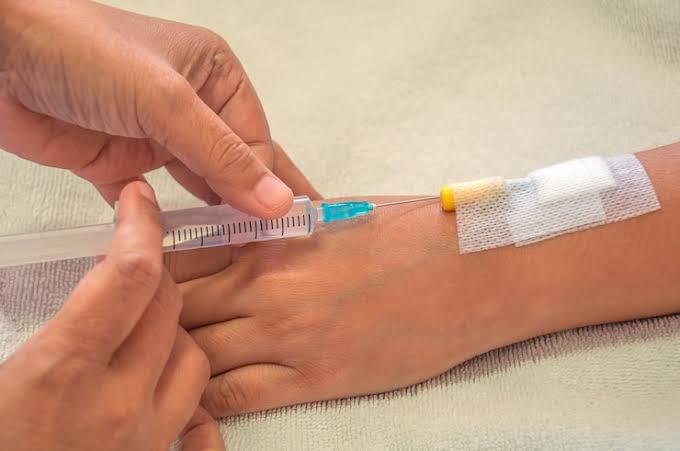
Choosing Glucose Drip at Home in Dubai can offer a convenient way to access intravenous glucose therapy when it has been medically recommended and the patient is suitable for home-based care. A Doctor at Home can review symptoms, medical history, medications, allergies, and relevant health conditions before determining whether an IV glucose treatment is appropriate. However, convenience should never mean skipping medical care. Since an IV drip delivers fluid directly into the bloodstream, professional assessment, appropriate administration, monitoring, and aftercare remain essential. Understanding what to expect from a home visit can help patients make informed decisions while keeping safety at the center of treatment.
What Are Glucose IV Home Visits?:
Glucose IV home visits involve having a qualified healthcare professional provide assessment and, when clinically appropriate, intravenous glucose therapy in the patient's home. Instead of traveling to a clinic, the patient can receive treatment in a familiar environment. The healthcare professional inserts an IV catheter into a suitable vein and administers a prescribed glucose-containing solution at an appropriate rate. The type, concentration, and volume of the solution should depend on the patient's individual medical circumstances. Home treatment may improve convenience, but it should still follow appropriate clinical procedures and should not be considered an alternative to emergency care when a serious condition is present.
Why Is Medical Assessment Essential?:
Medical assessment should take place before an IV glucose infusion because not every patient who experiences weakness, tiredness, dizziness, or dehydration symptoms requires intravenous glucose. The healthcare professional should establish the possible reason for the symptoms and determine whether home treatment is suitable. This assessment may involve reviewing current symptoms, medical history, medications, allergies, recent illness, food and fluid intake, and previous reactions to IV therapy. Depending on the patient's condition, vital signs or blood glucose may also be checked. If the assessment suggests that the patient needs diagnostic testing, emergency treatment, or closer monitoring, treatment at home may not be appropriate.
How Does Home Treatment Provide Convenience?:
The primary advantage of a home IV visit is that eligible patients do not need to travel to a clinic for treatment. This can be particularly useful for people who find travel difficult or prefer receiving care in a familiar setting. Home treatment may also reduce time spent waiting in a healthcare facility. However, the convenience comes from receiving appropriate medical care at home, not from removing professional oversight. The healthcare professional should still assess the patient, prepare the equipment, administer the IV safely, monitor the response, and provide aftercare. This approach allows convenience and responsible medical care to work together.
What Happens Before the IV Is Started?:
Before treatment begins, the healthcare professional should confirm the patient's identity, reason for treatment, symptoms, and relevant medical information. Patients should answer questions honestly and provide complete information rather than assuming that an IV must be given because an appointment has been booked. Important information may include:
- Current symptoms and their duration.
- Existing medical conditions.
- Prescription and non-prescription medications.
- Known allergies.
- Recent vomiting or diarrhea.
- Recent changes in food or fluid intake.
- Previous IV complications.
- Recent blood glucose readings when relevant.
This information helps the healthcare professional determine whether the planned treatment remains appropriate.
Why Can Blood Glucose Monitoring Matter?:
Blood glucose monitoring may be particularly relevant for patients with diabetes or symptoms that could be associated with abnormal blood sugar. Intravenous glucose enters the bloodstream directly and can affect blood glucose levels, so treatment should be based on an appropriate clinical indication. Where clinically necessary, the healthcare professional may assess blood glucose before or during the infusion. Patients who regularly monitor their blood sugar should have recent readings available when appropriate. A glucose drip should not be considered a universal solution for fatigue or weakness because these symptoms can have many different causes.
How Is the Appropriate IV Solution Selected?:
A qualified healthcare professional should select the glucose-containing solution based on the patient's medical needs rather than using a standard option for every patient. Glucose solutions can vary in concentration and formulation, and the appropriate choice depends on factors such as the reason for treatment, glucose status, hydration, medications, and relevant medical conditions. The volume and infusion rate should also be determined professionally. Patients should feel comfortable asking what solution is being used and why it has been selected. The goal should be appropriate treatment based on clinical assessment rather than simply providing the strongest or fastest infusion.
How Is the IV Inserted?:
If treatment is considered appropriate, the healthcare professional prepares the necessary equipment and identifies a suitable vein. The IV catheter is inserted using appropriate clinical technique and secured before the infusion begins. Patients may experience brief discomfort during insertion, and minor bruising can sometimes occur. The insertion site should be monitored for swelling, leakage, bleeding, or increasing discomfort. Patients should immediately tell the healthcare professional if they experience burning, significant pain, or swelling around the catheter. They should never attempt to reposition or remove an IV catheter themselves.
What Happens During the Infusion?:
During the infusion, the patient typically rests in a comfortable position while the prescribed solution is administered. The healthcare professional should remain attentive to the patient's condition and monitor the IV site throughout the procedure. Depending on the patient's circumstances, monitoring may include symptoms, vital signs, or blood glucose. Patients should communicate any unusual sensations rather than assuming they are normal. Symptoms that should be reported promptly include:
- Increasing pain or burning at the IV site.
- Swelling or fluid leakage.
- Significant redness or irritation.
- Dizziness or unusual weakness.
- Nausea or sudden discomfort.
- Difficulty breathing.
- Chest discomfort.
- Sudden confusion or changes in alertness.
Prompt reporting allows the professional to evaluate the problem and respond appropriately.
What Safety Standards Should Be Followed?:
Home IV treatment should maintain appropriate infection-control and patient-safety standards. Because the procedure involves accessing a vein, proper hand hygiene, suitable equipment, appropriate catheter insertion technique, and safe disposal of used materials are important. The healthcare professional should also have a plan for managing complications and escalating care if necessary. Patients should not attempt to perform IV therapy themselves or allow an unqualified individual to administer the treatment. A professional home visit should provide medical supervision rather than simply delivering an IV bag to the patient's home.
What Are the Potential Risks?:
Although many patients may tolerate IV treatment without significant problems, home glucose infusions can have potential risks. Local complications may include bruising, vein irritation, infiltration, swelling, discomfort, or infection. Glucose-containing fluids can also affect blood glucose levels, which is especially relevant for people with diabetes. Fluid administration may require additional consideration for individuals with certain heart or kidney conditions. Patients should be informed about these risks before treatment and should understand that an IV drip is not completely risk-free simply because it takes place at home.
Who May Need Additional Assessment?:
Some patients may require additional consideration before receiving glucose IV therapy. The healthcare professional should pay particular attention to medical history and medications in people with:
- Diabetes or glucose-regulation disorders.
- Kidney disease or reduced kidney function.
- Heart disease or fluid-retention concerns.
- Pregnancy-related medical considerations.
- Complex medication regimens.
- Previous IV reactions or complications.
- Significant allergies.
- Recent serious illness.
These factors do not necessarily rule out home treatment, but they can influence whether an infusion is appropriate and how closely the patient should be monitored.
How Are Medications Considered?:
Medication review is an important part of the assessment because certain medicines can influence blood glucose, blood pressure, kidney function, or fluid balance. Diabetes medications may be particularly relevant when glucose is being administered intravenously. Patients should provide an accurate list of all prescription medicines, over-the-counter products, and supplements. They should also mention recent medication changes and previous medication reactions. Patients should never independently stop, skip, or alter prescribed medicines simply because they are planning to receive a glucose IV treatment.
What Happens After the Infusion?:
After the prescribed infusion is complete, the healthcare professional generally removes the IV catheter and checks the insertion site. The patient should receive appropriate aftercare instructions, including information about symptoms that may indicate a complication. Increasing redness, swelling, warmth, pain, or discharge around the IV site should be monitored carefully. Depending on the reason for treatment, follow-up may also be recommended. If the patient's original symptoms continue or become worse, additional medical assessment may be needed rather than automatically arranging another glucose infusion.
When Should Home IV Treatment Be Avoided?:
Home IV therapy is not appropriate for every medical situation. Patients with severe or rapidly worsening symptoms may require emergency evaluation, diagnostic testing, continuous monitoring, or hospital-based treatment. Warning signs that should prompt urgent medical attention include:
- Severe difficulty breathing.
- Chest pain or pressure.
- Seizures.
- Fainting or loss of consciousness.
- Severe confusion.
- Major changes in alertness.
- Rapidly worsening weakness.
- Suspected severe blood glucose abnormalities.
In these situations, emergency medical care should take priority over a scheduled home IV appointment.
What Questions Should Patients Ask?:
Before agreeing to treatment, patients should understand who will provide the service, why glucose IV therapy has been recommended, and how safety will be maintained. Useful questions include:
- Who will assess and administer the IV?
- What qualifications does the healthcare professional have?
- Why is glucose IV therapy appropriate for my situation?
- What type of glucose solution will be used?
- Will blood glucose be monitored when necessary?
- How will I be monitored during the infusion?
- What complications should I report?
- What aftercare will I receive?
- When should I seek urgent medical attention?
Asking these questions can help patients evaluate whether a home IV service prioritizes appropriate medical care.
How Can Patients Prepare for a Home Visit?:
Patients can make the appointment more efficient by preparing their medication list, allergy information, relevant medical history, and recent blood glucose readings when applicable. They should describe their symptoms accurately, including when they began and whether they are improving or worsening. A clean, well-lit area with enough room for the healthcare professional to work can support a smooth procedure. Patients should wear comfortable clothing that allows access to an appropriate IV site. They should also notify the provider if their condition changes significantly before the appointment.
Why Should Convenience Not Replace Medical Care?:
Home IV therapy is designed to make suitable treatment more accessible, not to remove important medical safeguards. A glucose drip can influence the body's fluid and glucose levels, so treatment should be based on an appropriate indication and individualized assessment. Professional supervision helps identify patients who may not be suitable for home care, monitor potential complications, and recognize when further medical evaluation is required. Patients should therefore view home treatment as a different setting for professional care rather than a way to bypass assessment, monitoring, or follow-up.
Final Thoughts
Glucose Drip at Home in Dubai can offer a convenient option for patients who are medically suitable for professionally supervised home IV therapy. However, convenience should always be combined with appropriate medical assessment, qualified administration, infection-control procedures, monitoring, and aftercare. Patients should provide complete information about their health and medications, ask questions before treatment, and report unexpected symptoms promptly. Most importantly, serious or rapidly worsening symptoms should receive urgent medical attention rather than being managed through a routine home glucose IV visit.

 Bangla