

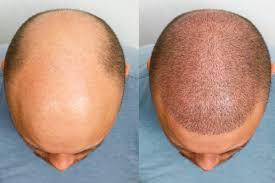

A receding hairline occurs when the hair at the front and temples gradually becomes thinner or disappears. It is frequently associated with androgenetic alopecia, commonly known as male pattern hair loss. Genetics, hormonal sensitivity, age, and other factors can influence how quickly the hairline changes.
Early recession may appear as slight thinning around the temples, while more advanced hair loss can create an M-shaped or significantly higher hairline.
Because hair loss patterns vary from person to person, identifying the underlying cause is an important first step before considering hair restoration.
Can a Hair Transplant Restore a Receding Hairline?
Yes, a Hair Transplant in Dubai can effectively restore a receding hairline in suitable candidates.
The procedure works by relocating healthy hair follicles from a donor area, usually the back or sides of the scalp, to areas affected by hair loss. Since donor follicles are generally more resistant to the hormonal effects associated with male pattern hair loss, transplanted follicles can provide long-lasting growth.
Modern hair transplantation focuses not simply on adding hair but on creating a hairline that complements the patient's facial structure, age, existing hair density, and expected future hair loss.
How Does Hair Transplantation for a Receding Hairline Work?
Two commonly discussed techniques are FUE (Follicular Unit Extraction) and FUT (Follicular Unit Transplantation).
FUE Hair Transplant
With FUE, individual follicular units are carefully extracted from the donor region and transplanted into tiny recipient sites along the hairline and thinning areas.
The technique does not require removing a strip of scalp and is widely used for patients who prefer minimal visible scarring.
FUT Hair Transplant
FUT involves removing a narrow strip of donor scalp and separating it into individual follicular units for transplantation. The donor area is then closed, leaving a linear scar.
The appropriate technique depends on factors such as donor density, hair characteristics, degree of recession, previous procedures, and individual treatment goals.
What Makes a Hairline Look Natural?
One of the most important aspects of hair transplantation is hairline design.
A natural-looking hairline is rarely a perfectly straight line. It typically contains subtle irregularities and transitional zones that help transplanted hair blend with existing hair.
Several factors may be considered during planning, including:
- Facial proportions
- Age and expected future hair loss
- Existing hair density
- Donor hair availability
- Hair texture and thickness
- Temple recession
- Direction and angle of existing hair growth
Experienced hair restoration professionals generally aim to achieve balanced density rather than simply placing as many grafts as possible.
Who Is a Good Candidate for a Receding Hairline Transplant?
Not everyone with a receding hairline needs or is immediately suitable for transplantation. A consultation and scalp assessment are important before making a decision.
A person may be considered a suitable candidate when they have:
- Stable or appropriately assessed hair loss
- Adequate donor hair
- Healthy scalp conditions
- Realistic expectations
- A clearly defined area requiring restoration
Younger patients with rapidly progressing hair loss may require particularly careful planning. Treating the hairline without considering future recession could result in an unnatural appearance later.
For this reason, a qualified professional should evaluate both the current hair loss and the likely progression pattern.
How Many Grafts Are Needed for a Receding Hairline?
There is no universal graft number for every patient. The requirement depends on the size of the area being treated, desired density, donor availability, hair characteristics, and the existing hairline.
Someone with mild temple recession may need considerably fewer grafts than someone with extensive frontal hair loss.
A professional assessment can determine the approximate number of follicular units needed while preserving the donor area for potential future needs.
What Results Can You Expect?
Hair transplant results develop gradually rather than immediately.
After transplantation, the newly placed hairs may shed temporarily. This is often part of the normal growth cycle following the procedure. New growth typically becomes noticeable over the following months, with continued improvement as the transplanted follicles mature.
The final appearance depends on factors such as follicle survival, healing, hair characteristics, surgical technique, and individual growth patterns.
Patients should therefore judge their progress according to the expected recovery timeline rather than expecting instant density.
How to Protect Your Hair Transplant Results
Following post-treatment instructions is an important part of the recovery process. Patients may receive guidance regarding scalp care, washing, physical activity, sun exposure, and other aspects of aftercare.
It is also important to understand that a transplant does not necessarily stop untreated native hair from becoming thinner. Depending on the cause and progression of hair loss, a professional may recommend additional medical or maintenance approaches.
Long-term planning can help preserve a balanced appearance as the hair naturally changes with age.
Choosing a Hair Transplant Clinic in Dubai
Selecting the right clinic is an important part of the hair restoration journey. Look for a facility that provides proper consultation, individualized treatment planning, transparent information about the procedure, appropriate patient assessment, and realistic expectations.
Tajmeels clinic provides hair restoration services in Dubai with an emphasis on personalized treatment planning. During a consultation, factors such as the pattern of hair loss, donor hair quality, scalp condition, and desired hairline can be assessed to develop an appropriate restoration strategy.
Final Thoughts
A receding hairline can often be treated effectively with a well-planned hair transplant. Modern hair restoration techniques can reposition healthy follicles into areas of recession while focusing on natural hairline design and appropriate density.
However, successful treatment is not simply about transplanting a large number of grafts. Careful candidate assessment, donor-area preservation, individualized planning, realistic expectations, and proper aftercare all contribute to a successful outcome.
If you are considering a hair transplant in Dubai for a receding hairline, a professional consultation is the best way to determine whether transplantation is suitable for your specific pattern of hair loss.
More Information
Tajmeels Clinic Dubai
WhatsApp: +971 56 203 8751
Phone: tel:+971 43739000
Social Media:
