

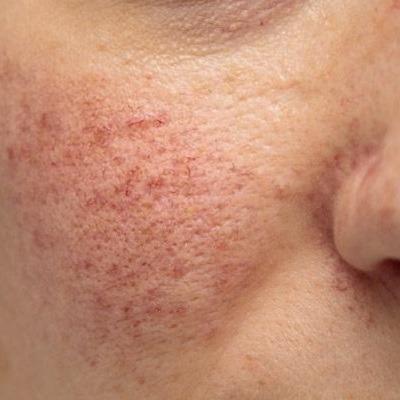

Skin problems can sometimes look surprisingly similar. Redness, itching, swelling, irritation, bumps, and changes in skin texture may occur with several different conditions. Two common causes are skin infections and skin allergies, but they are not the same and usually require different approaches to treatment.
Understanding the difference can help you recognize when professional evaluation is needed. Whether symptoms appear suddenly or keep returning, identifying the underlying cause is an important step toward appropriate Skin Disease Treatment in Dubai.
What Is a Skin Infection?
A skin infection occurs when harmful microorganisms enter or multiply in the skin. Depending on the cause, infections can be bacterial, fungal, viral, or, less commonly, parasitic.
Common examples include fungal infections such as ringworm, bacterial infections such as impetigo, and viral skin infections such as certain types of warts or herpes infections.
Common Symptoms of a Skin Infection
Symptoms can vary depending on the type of infection, but they may include:
- Red or inflamed skin
- Warmth or tenderness in the affected area
- Swelling
- Pus or fluid-filled lesions
- Crusting
- Blisters or sores
- Itching or burning
- Fever or feeling generally unwell in some cases
- A rash that gradually spreads
Some infections may start as a small irritated area and become more noticeable over time. Others can spread through contact, shared personal items, or contaminated surfaces.
What Is a Skin Allergy?
A skin allergy occurs when the immune system reacts excessively to a substance that is normally harmless. The triggering substance is called an allergen.
Common allergens include certain cosmetics, fragrances, skincare ingredients, metals such as nickel, detergents, latex, and some plants.
One of the most common forms is contact dermatitis, which can develop after direct contact with an irritating or allergenic substance.
Common Symptoms of a Skin Allergy
A skin allergy may cause:
- Intense itching
- Redness
- Dry or flaky skin
- Swelling
- Small bumps
- Hives
- Blisters
- Burning or stinging
- A rash appearing where the skin contacted the trigger
Allergic reactions may develop quickly or sometimes appear hours or days after exposure, depending on the type of reaction.
Skin Infection vs. Skin Allergy: Key Differences
Although both conditions can cause redness and itching, several clues can help distinguish them.
| Feature | Skin Infection | Skin Allergy |
|---|---|---|
| Main cause | Bacteria, fungi, viruses, or parasites | Immune reaction to an allergen |
| Itching | May occur | Often prominent |
| Pain/tenderness | More common in some infections | Usually less prominent |
| Pus/discharge | Can occur | Generally uncommon |
| Spreading | May progressively spread | Often linked to exposure pattern |
| Fever | Possible with some infections | Usually absent |
| Treatment | Depends on the infectious cause | Avoidance and allergy-focused treatment |
However, symptoms alone cannot always provide a reliable diagnosis. Some infections can resemble allergic rashes, while scratching an allergic rash can damage the skin and allow a secondary infection to develop.
Why Correct Diagnosis Matters
Choosing treatment based only on appearance can sometimes make a skin problem worse or delay appropriate care.
For example, using an inappropriate cream on a fungal infection may not address the underlying infection. Similarly, repeatedly exposing yourself to an allergen without identifying the trigger can cause recurring dermatitis.
A professional assessment may involve examining the skin, reviewing your symptoms and medical history, asking about recent products or exposures, and performing additional tests when necessary.
This evidence-based approach to skin disease diagnosis helps determine whether the problem is infectious, allergic, inflammatory, or related to another skin condition.
How Are Skin Infections Treated?
Treatment depends on the specific microorganism responsible.
Depending on the diagnosis, treatment may include:
- Antifungal medicines for fungal infections
- Antibiotics for certain bacterial infections
- Antiviral medicines for selected viral infections
- Prescription or over-the-counter topical treatments when appropriate
- Hygiene and skin-care measures to reduce further spread
It is important not to assume that every red or itchy rash requires antibiotics. Antibiotics do not treat fungal or viral infections, and unnecessary antibiotic use can contribute to resistance.
How Are Skin Allergies Treated?
Managing a skin allergy usually starts with identifying and avoiding the trigger.
Depending on the condition and severity, treatment may include:
- Removing the suspected allergen
- Gentle fragrance-free skincare
- Moisturizers to support the skin barrier
- Topical medications recommended by a healthcare professional
- Antihistamines for certain allergic symptoms
- Further allergy evaluation when appropriate
Keeping track of products, foods, environments, or activities associated with flare-ups can sometimes help identify patterns.
When Should You See a Skin Specialist?
Professional evaluation is particularly important if a rash is rapidly spreading, painful, producing pus, associated with fever, repeatedly returning, or not improving with basic care.
You should also seek urgent medical attention if a skin reaction occurs together with difficulty breathing, swelling of the lips or tongue, fainting, or other signs of a severe allergic reaction.
For persistent or unexplained symptoms, a qualified skin specialist can help determine the underlying cause and recommend an appropriate treatment plan.
Skin Disease Treatment in Dubai at Tajmeels Clinic
Choosing a clinic that takes a personalized approach can make the diagnostic process more focused. Tajmeels clinic provides aesthetic and dermatological care in Dubai, where treatment planning can be tailored according to the patient's skin concerns, symptoms, and individual needs. A professional consultation can help distinguish between conditions that may appear similar and guide patients toward appropriate care rather than relying on self-diagnosis.
Frequently Asked Questions
Can a skin infection look like an allergy?
Yes. Both can cause redness, itching, swelling, and rashes. A clinical evaluation may be needed to identify the underlying cause.
Is every itchy rash an allergy?
No. Itching can occur with infections, eczema, insect bites, inflammatory skin conditions, and other problems.
Can a skin allergy become infected?
Yes. Persistent scratching can damage the skin barrier and create an opportunity for bacteria or other microorganisms to enter.
Should I use antibiotics for a skin rash?
Not unless a healthcare professional determines that a bacterial infection is present or recommends them. Antibiotics do not treat allergic or fungal conditions.
How can I prevent recurring skin problems?
Good skin hygiene, avoiding known triggers, protecting the skin barrier, and seeking professional advice for persistent symptoms can help reduce recurring problems.
Conclusion
The difference between a skin infection and a skin allergy mainly comes down to the underlying cause: infections are caused by microorganisms, while allergies involve an immune response to a trigger. Because the symptoms can overlap, self-diagnosis is not always reliable.
If you experience persistent, spreading, painful, or recurring skin symptoms, professional assessment can help identify the cause and support an appropriate treatment strategy. With accurate diagnosis and personalized care, many skin conditions can be effectively managed and controlled.
More Information
Tajmeels Clinic Dubai
WhatsApp: +971 56 203 8751
Phone: tel:+971 43739000
Social Media:
