


The Importance of Hygiene and Infection Prevention in Home Nursing
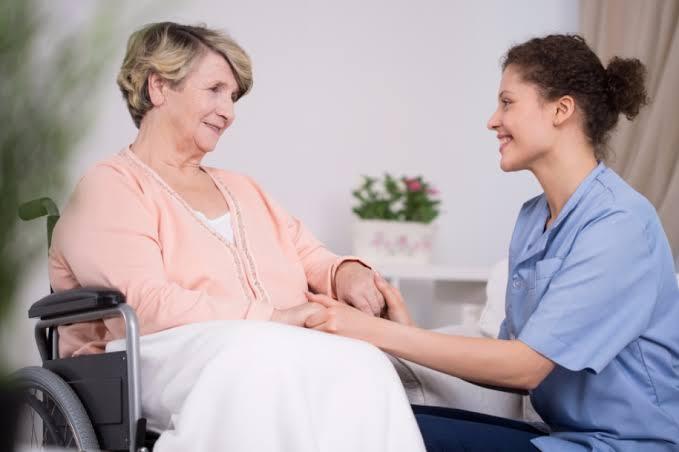
Maintaining proper hygiene is a fundamental part of safe healthcare, particularly for patients who are recovering from illness, managing chronic conditions, or receiving ongoing support at home. Home Nursing Services in Dubai can provide professional nursing assistance while incorporating appropriate hygiene and infection-prevention practices into everyday care. When a Doctor at Home consultation is required, clinical evaluation can take place in the patient's home where such services are available, while nurses continue appropriate care according to the patient's established plan. Good hygiene practices protect not only the patient but also nurses, family members, and other people who may be involved in the patient's care.
Why Hygiene Matters in Home Nursing:
Hygiene plays an essential role in maintaining a safe home healthcare environment because patients receiving nursing care may have increased vulnerability to infections. Illness, surgery, wounds, reduced mobility, or certain long-term conditions can make infection prevention especially important. Unlike a controlled clinical environment, a patient's home has everyday household activities taking place around the care area, making consistent hygiene practices essential. Professional nurses can help maintain appropriate standards during patient care by following established infection-prevention procedures and encouraging families to understand the importance of cleanliness, hand hygiene, safe waste handling, and appropriate care of medical supplies.
Understanding Infection Prevention at Home:
Infection prevention involves a combination of practices designed to reduce the spread of harmful microorganisms during healthcare activities. At home, this includes appropriate hand hygiene, use of personal protective equipment when necessary, cleaning of relevant surfaces, safe handling of medical materials, and proper disposal of waste. Nurses assess the patient's circumstances and follow procedures appropriate to the care being provided. Families also have an important role because visitors, household members, and pets can potentially introduce contaminants into the care environment. A clean and organized space can make it easier to maintain appropriate hygiene standards.
The Importance of Hand Hygiene:
Hand hygiene is one of the simplest and most important ways to reduce the transmission of infections. Nurses should perform appropriate hand hygiene before and after patient-care activities and whenever required by the specific procedure. Family caregivers should also clean their hands before providing direct care, handling medications or supplies, and after contact with potentially contaminated materials. Hand hygiene is particularly important when caring for wounds, assisting with personal hygiene, or handling medical equipment. Patients should also be encouraged to maintain their own hand hygiene as much as their condition allows.
Using Personal Protective Equipment Appropriately:
Personal protective equipment, commonly referred to as PPE, may be appropriate for certain nursing procedures or situations where there is a risk of exposure to bodily fluids or infectious material. Depending on the task, appropriate protective equipment may include gloves, masks, gowns, or eye protection. Nurses should select and use PPE according to the specific care activity and relevant infection-control procedures. Gloves should not be viewed as a replacement for hand hygiene. They need to be used appropriately and changed when necessary to avoid transferring contaminants from one activity or surface to another.
Keeping the Patient's Care Area Clean:
The patient's immediate care area should be kept clean, organized, and free from unnecessary clutter. Frequently touched surfaces and equipment may require appropriate cleaning according to the manufacturer's instructions and the patient's care requirements. Families can support a hygienic environment by:
- Keeping bedside areas organized
- Cleaning frequently touched surfaces regularly
- Keeping food and drinks away from contaminated materials
- Storing medical supplies appropriately
- Removing unnecessary clutter around the patient's bed
- Keeping clean and used items separated
- Following instructions for cleaning reusable equipment
The exact cleaning requirements depend on the patient's condition and the type of care being provided.
Safe Wound Care Practices:
Wound care requires particular attention to hygiene because damaged skin can provide an entry point for infection. When wound management is part of the nursing care plan, nurses should follow appropriate procedures for hand hygiene, dressing changes, handling supplies, and disposal of used materials. Families should avoid touching wounds unnecessarily and should follow professional instructions regarding dressing care. Changes such as increasing redness, swelling, unusual drainage, worsening pain, or other unexpected symptoms should be reported to the appropriate healthcare professional rather than treated with unapproved products.
Proper Handling of Medical Supplies:
Medical supplies should be stored in a clean, dry, and appropriate location. Items intended for single use should not be reused unless specifically designed and authorized for reuse according to applicable instructions. Families should avoid storing healthcare supplies next to household cleaning chemicals, food, or other potentially contaminating materials. Nurses can help families understand how relevant supplies should be organized and handled. Keeping supplies accessible but protected can make nursing procedures more efficient while reducing unnecessary contamination risks.
Safe Disposal of Healthcare Waste:
Certain home nursing activities can generate used dressings, gloves, syringes, or other healthcare-related waste. Such materials should be handled and disposed of according to applicable healthcare and local waste-management requirements. Families should not place potentially hazardous healthcare waste into ordinary household bins unless it is specifically appropriate under local guidance. The nursing provider should explain the correct disposal process for materials generated during care. Proper waste management protects patients, caregivers, household members, waste workers, and the wider community.
Preventing Cross-Contamination:
Cross-contamination can occur when microorganisms are transferred from one surface, object, person, or activity to another. In home nursing, this risk can be reduced by keeping clean supplies separate from used materials, performing hand hygiene at appropriate moments, changing protective equipment when required, and cleaning equipment according to instructions. Nurses should also avoid moving contaminated items unnecessarily around the home. Families can help by designating an organized area for nursing supplies and ensuring that used materials are kept separate from clean items.
Hygiene During Personal Care:
Personal hygiene is an important part of maintaining patient comfort and general well-being. Depending on the patient's condition, nurses may assist with bathing, oral hygiene, grooming, toileting, changing clothes, and other personal-care activities within their professional responsibilities. These activities should be performed respectfully while maintaining the patient's privacy and dignity. Appropriate hygiene can help patients feel more comfortable and can support healthy skin and general cleanliness. Patients should be encouraged to participate in personal-care activities whenever they can safely do so.
Preventing Infections in Bedridden Patients:
Patients who spend extended periods in bed may require additional attention to hygiene and skin care. Limited movement can make it difficult to maintain personal cleanliness and may increase the importance of appropriate repositioning and skin observation. Nurses can follow the patient's care plan to support hygiene, positioning, and skin care. Families should keep bedding clean and dry and communicate changes such as persistent redness, skin breakdown, unusual drainage, or discomfort. Early attention to skin changes can help ensure that appropriate professional advice is obtained.
Hygiene and Medication Management:
Medication-related care also requires appropriate hygiene. Nurses should follow suitable hand hygiene and handling procedures when administering or assisting with medications under an authorized care plan. Medication containers should be kept clean, dry, and stored according to their specific instructions. Families should avoid touching medication unnecessarily and should not transfer medicines between containers unless specifically instructed. Any questions about medication changes, doses, or treatment should be directed to the appropriate healthcare professional.
Cleaning and Caring for Medical Equipment:
Some patients may use equipment such as mobility aids, monitoring devices, wound-care supplies, or other healthcare equipment at home. Equipment should be cleaned and maintained according to manufacturer instructions and the healthcare team's recommendations. Improper cleaning methods can damage equipment or fail to remove contaminants effectively. Nurses can help families understand the appropriate care routine for equipment used during nursing visits. Any equipment that appears damaged, contaminated, or unsafe should be addressed promptly.
Educating Family Caregivers:
Family caregivers often provide support between professional nursing visits, making education an important part of infection prevention. Nurses can explain appropriate hygiene practices relevant to the patient's care and demonstrate safe techniques where appropriate. Families should ask questions whenever they are uncertain rather than improvising unfamiliar procedures. Key areas may include:
- Correct hand hygiene
- Safe handling of dressings
- Personal protective equipment
- Cleaning relevant equipment
- Waste disposal
- Maintaining a clean care area
- Recognizing possible infection-related changes
Good education can help families feel more confident while reducing avoidable hygiene mistakes.
Recognizing Possible Signs of Infection:
Families should know what changes may warrant professional attention. Depending on the patient's condition, possible warning signs can include increasing redness, swelling, warmth, unusual drainage, worsening pain, fever, or a general deterioration in health. These signs do not automatically confirm an infection, but they should be communicated to the appropriate healthcare professional for evaluation. Patients with complex health conditions may require individualized instructions about which symptoms require urgent attention. Families should follow the patient's care plan rather than attempting to diagnose or treat suspected infections independently.
The Role of Nurses in Infection Prevention:
Professional nurses contribute to infection prevention by incorporating appropriate hygiene measures into everyday patient care. Their responsibilities may include following hand-hygiene procedures, using protective equipment when necessary, maintaining clean care practices, handling supplies safely, documenting relevant observations, and educating patients or families. Nurses also recognize that every home environment is different. They can adapt their approach to the patient's condition and available facilities while maintaining appropriate professional standards.
Maintaining Hygiene During Home Visits:
Home nursing visits involve moving between the patient's care environment and other professional responsibilities, making consistent infection-control practices particularly important. Nurses should follow appropriate procedures when entering the home, beginning patient care, handling equipment, and completing procedures. Clean supplies should be protected from contamination, while used materials should be managed appropriately. Maintaining consistent practices during every visit can reduce unnecessary infection risks and create a more reliable care environment.
Supporting a Hygienic Home Environment:
Families can make several practical changes to support professional nursing care. The patient's care area should have adequate lighting, enough space for nursing activities, and easy access to necessary supplies. Regular household cleaning should continue, particularly in areas frequently used by the patient. Pets and household activities should be kept appropriately separate from clinical procedures when necessary. These simple measures can help nurses perform care more efficiently while supporting a cleaner environment.
Choosing a Home Nursing Provider That Prioritizes Safety:
When selecting a home nursing provider, families should ask about infection-prevention procedures and staff training. A reliable provider should have clear processes for hygiene, equipment handling, protective equipment, waste disposal, and communication about potential infections. Families can also ask how nurses document care and what procedures are followed if a patient develops concerning symptoms. Understanding these practices before services begin can help families feel more confident about the safety and quality of professional care.
Building Hygiene Into Everyday Care:
Infection prevention is most effective when it becomes part of the patient's normal care routine rather than an occasional activity. Hand hygiene, appropriate cleaning, safe supply storage, wound-care precautions, and proper waste handling should be consistently incorporated into relevant nursing tasks. Nurses and families can work together to maintain these practices while adapting them to the patient's individual needs. Consistency is particularly important for patients who receive nursing support over an extended period.
Final Thoughts
Hygiene and infection prevention are essential components of safe and effective home nursing care. Home Nursing Services in Dubai can provide professional support while incorporating appropriate infection-prevention practices into wound care, personal hygiene, medication-related tasks, health monitoring, and other nursing activities. Families also play an important role by maintaining a clean environment, following professional instructions, practicing good hand hygiene, and reporting concerning changes promptly. When nurses and families work together, consistent hygiene practices can help create a safer home environment and support the patient's comfort, dignity, and overall well-being throughout their care journey.

 Bangla