


Why Should Buyers Clarify Requirements Before Custom Relay Production?
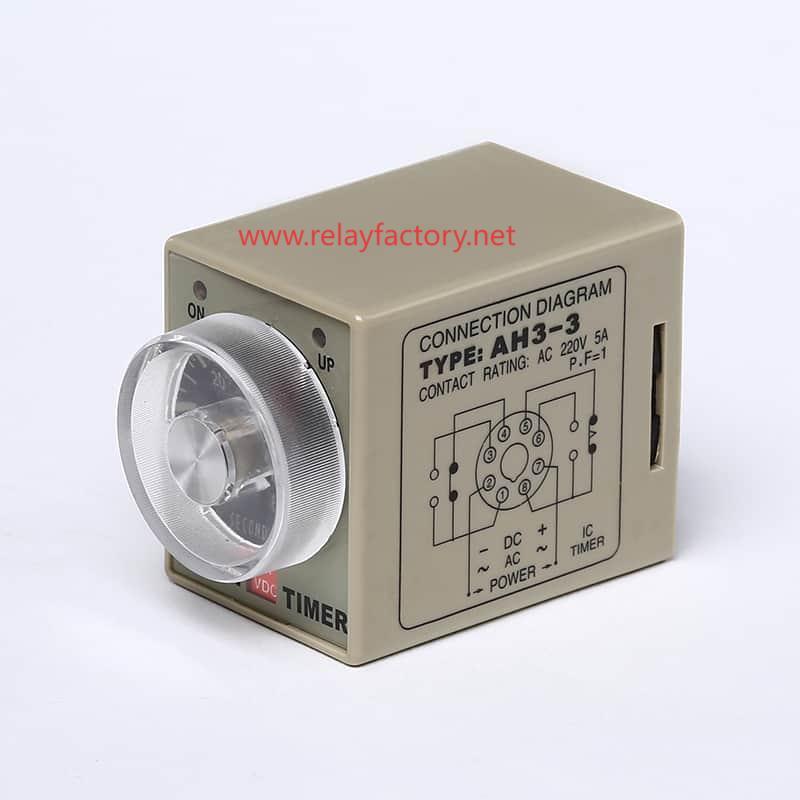
YOSHINE Custom Time Relay, buyers should clearly explain the application, electrical requirements, control sequence, installation conditions, and expected operating environment. Asking the right questions at the beginning can make communication with the manufacturer more efficient and help both sides establish practical specifications. Start With the Actual Application The first question should focus on where the component will be installed and what task it needs to perform. A device used in a lighting cabinet may have different requirements from one installed in a pump control panel or production machine. Buyers should describe the equipment, operating process, and desired switching sequence. It is also useful to explain whether the component will control one load, coordinate several circuits, or work together with sensors, switches, controllers, or other electrical components. A clear application description gives the manufacturer a better understanding of the project instead of relying only on a product name. Confirm the Electrical Parameters Electrical specifications should be discussed before customization begins. Buyers can prepare information about supply voltage, output configuration, contact rating, load type, and wiring method. It is also important to explain whether the equipment uses AC, DC, or a wider voltage range. Different electrical conditions may influence the appropriate configuration. Providing complete information at this stage can help prevent a mismatch between the control component and the existing electrical system. Explain the Required Timing Sequence Timing requirements are another important part of the discussion. Buyers should explain exactly what should happen after power is applied, when an external signal is received, or when a control input changes state. For example, a project may require delayed activation, delayed deactivation, repeated cycles, or a sequence involving multiple outputs. The buyer should describe the process in simple steps and provide approximate timing requirements. A timing diagram can also be helpful for projects with more complicated operating sequences. Even a basic diagram showing input and output actions can make technical communication easier. Ask About Available Customization Not every customization request needs to involve a completely new structure. Some projects may only require adjustments to operating parameters, terminals, housing arrangements, timing ranges, or other specifications. Buyers should ask which parts can be modified and which characteristics need to remain within an existing product platform. They can also ask whether a sample or prototype is available before larger production. This discussion helps establish realistic expectations and allows both sides to determine whether the requested configuration is practical. Check the Installation Environment Physical installation conditions should not be overlooked. Buyers should provide information about available panel space, mounting method, terminal position, enclosure requirements, and surrounding equipment. Environmental factors may also matter. Temperature, humidity, dust, vibration, and installation location can influence the selection of electrical components. For compact control cabinets, dimensions and terminal accessibility can be especially important because even a technically suitable component may be inconvenient if it does not fit the planned layout. Discuss Testing and Documentation Before placing an order, buyers should ask how customized products will be checked during production. It is useful to understand what specifications will be verified and what documentation can be supplied. Buyers may also request wiring information, operating instructions, technical drawings, or sample specifications when these materials are necessary for installation and maintenance. Clear documentation can help technicians understand the product and reduce confusion when the component enters a larger control system. Confirm Production and Communication Details Quantity, sample requirements, packaging, delivery arrangements, and communication procedures should also be discussed before an order is finalized. For customized projects, buyers should identify one clear technical contact whenever possible. This makes it easier to confirm specification changes and avoid misunderstandings during development. If the project will involve repeated orders, buyers can also discuss how specifications will be recorded for future production. Maintaining consistent technical information can simplify later purchasing decisions. Make the Request Specific Before Ordering A good customization request should contain more than a product name. Buyers can prepare a short specification sheet covering the application, voltage, output, timing sequence, mounting method, operating environment, quantity, and any special requirements. Working with an experienced manufacturer such as relayfactory can then become a more structured process because the technical team has clear information to review. Buyers can visit the company website at https://www.relayfactory.net/ to review available product categories and discuss customized requirements.

 Bangla