

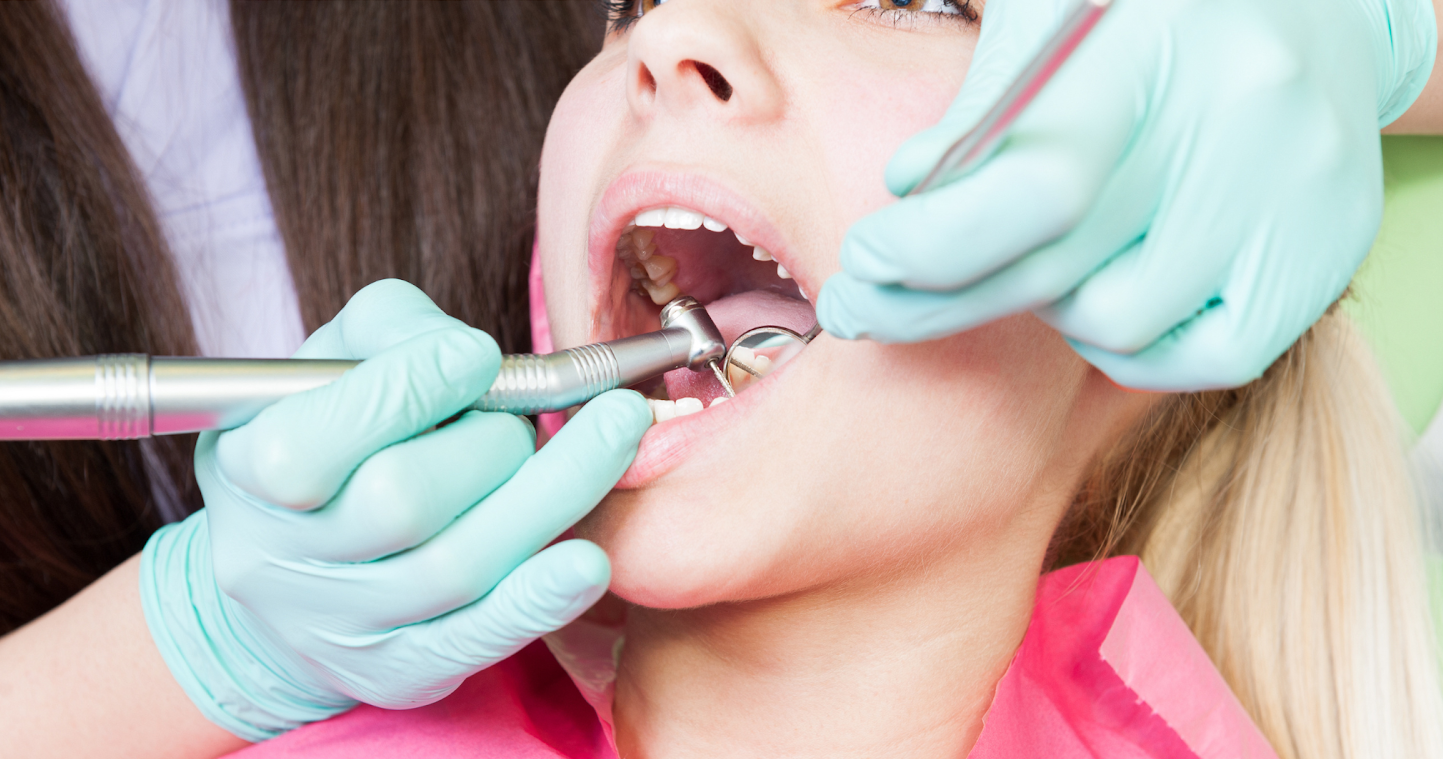

When a tooth becomes severely damaged, infected, or impossible to restore, Tooth Extraction may be recommended to protect your oral health. Although dentists generally prefer to preserve natural teeth, removal can sometimes prevent ongoing discomfort and reduce the risk of further dental complications. Understanding the benefits, possible risks, and recovery process can help you feel more prepared for treatment.
Professional assessment is important before making a decision about tooth removal. Enfield Dental Clinic Dubai can provide an examination and help patients understand their dental condition, treatment choices, and appropriate aftercare. A thorough evaluation allows the dentist to determine whether extraction is necessary or whether another procedure may be able to preserve the natural tooth.
What Is Tooth Extraction?
Tooth extraction is a dental procedure used to remove a tooth from its socket in the jaw. It may be performed when a tooth has extensive decay, severe infection, significant damage, or another condition that makes preservation difficult.
The procedure can be relatively straightforward when the tooth is visible and accessible. In more complicated situations, such as an impacted wisdom tooth, a surgical extraction may be required.
Why Dentists Try to Preserve Natural Teeth
Natural teeth help with chewing, speech, and maintaining the normal structure of the mouth. For this reason, dentists usually consider restorative treatments before recommending removal.
Depending on the condition of the tooth, possible alternatives may include fillings, crowns, or root canal treatment. If these options cannot provide a predictable result, extraction may become the more appropriate choice.
Benefits of Tooth Extraction
Removing a severely compromised tooth can provide several oral health benefits. If a tooth is causing persistent discomfort because of extensive damage or infection, removing it can eliminate the source of the problem.
Extraction may also prevent a severely damaged tooth from affecting nearby tissues. In some cases, removal can create the necessary space for orthodontic treatment or resolve problems associated with impacted wisdom teeth.
Removing a Problematic Tooth
A damaged tooth may become difficult to clean properly, allowing bacteria and plaque to accumulate around it. When the tooth cannot be restored effectively, removing it may help reduce the risk of recurring dental problems.
The benefits depend on the individual situation, so a dentist should evaluate the tooth before treatment.
When Is Tooth Removal Necessary?
Several dental conditions can lead to an extraction recommendation. Extensive decay is one of the most common reasons. If decay has destroyed too much of the tooth structure, restoration may no longer be practical.
A severe dental infection can also result in removal when the tooth cannot be successfully treated. Fractured teeth, advanced gum-related damage, and certain impacted teeth may also require extraction.
Impacted Wisdom Teeth
Wisdom teeth can sometimes fail to emerge normally because there is insufficient space in the jaw. They may remain partially covered by gum tissue or grow at an unusual angle.
An impacted wisdom tooth can contribute to swelling, discomfort, infection, or difficulty cleaning the area. Depending on the circumstances, removal may be recommended.
Possible Risks of Extraction
Tooth removal is a commonly performed dental procedure, but like any treatment, it can have potential complications. Temporary soreness, swelling, and mild bleeding can occur during the normal healing process.
More significant problems are less common but can include infection, prolonged bleeding, or dry socket. Your dentist will provide aftercare instructions designed to support normal healing and reduce potential risks.
Understanding Dry Socket
A blood clot normally forms in the extraction socket after the tooth is removed. This clot protects the underlying tissues while healing begins.
If the clot becomes displaced or breaks down too early, a condition called dry socket can develop. It can cause significant pain and delay healing.
Avoiding smoking, forceful rinsing, and activities that may disturb the extraction site can help protect the clot.
What Happens During the Procedure?
Before treatment, the dentist examines the tooth and surrounding area. X-rays may be taken to assess the roots, bone, and position of the tooth.
Local anesthesia is commonly used to numb the treatment area. You may feel pressure or movement while the dentist works, but the area should be sufficiently numb to minimize pain.
Once the tooth has been loosened appropriately, it is carefully removed from the socket. Surgical extraction may involve additional steps when a tooth is impacted or difficult to access.
Recovery After Tooth Extraction
Recovery varies depending on the complexity of the procedure and the individual patient. Some people experience only mild tenderness, while others may have more noticeable swelling after a complicated extraction.
The extraction socket needs time to heal. During this period, following your dentist's instructions is essential.
Protecting the Extraction Site
Avoid repeatedly touching the area with your fingers or tongue. Forceful rinsing can also interfere with the blood clot, particularly during the early recovery period.
Using a straw may create suction inside the mouth and potentially disturb the healing socket. Smoking should also be avoided because it can interfere with normal healing.
Your dentist will explain when you can resume your normal oral hygiene routine around the extraction site.
Eating After Tooth Removal
Soft foods can be easier to eat during the first stage of recovery. Foods that require excessive chewing may irritate the treatment area.
Choose foods that are comfortable to eat and gradually return to your usual diet as the area heals. Drinking water can help maintain hydration, but avoid using a straw during the early healing period.
Maintaining Good Nutrition
A balanced diet provides nutrients needed for normal tissue repair. Following your dentist's dietary recommendations can help make the recovery period more comfortable.
If your dentist gives you specific dietary instructions, follow those recommendations according to your procedure.
Oral Hygiene During Recovery
Keeping your mouth clean remains important after extraction. However, the extraction area should be treated gently.
Continue brushing your other teeth according to your dentist's instructions. Avoid directly disturbing the socket until your dental professional indicates that it is safe to clean the area normally.
Good oral hygiene can help control plaque and support healthy gums throughout recovery.
Replacing the Missing Tooth
If a permanent tooth has been removed, your dentist may discuss replacement options after the extraction area has healed. Depending on your needs, options may include dental implants, bridges, or removable dental appliances.
Replacing a missing tooth can help restore chewing function and may reduce unwanted movement of neighboring teeth.
Planning Long-Term Dental Care
Tooth removal should be viewed as part of an overall dental treatment plan. Once the area has healed, your dentist can help determine whether replacement is appropriate and which option best suits your oral health.
Regular dental examinations can also help protect the remaining teeth.
When to Seek Professional Help
Mild discomfort and swelling can be expected after extraction, but severe or worsening pain should not be ignored. Persistent heavy bleeding, significant swelling, fever, or other unusual symptoms should be reported to your dental professional.
Early evaluation can help identify potential complications and ensure appropriate care.
Final Thoughts
Tooth Extraction can offer important benefits when a tooth is severely damaged, infected, fractured, or otherwise unable to be restored effectively. While there are potential risks, careful treatment planning and proper aftercare can support a smoother recovery.
The most important step is to receive a professional dental evaluation before deciding on removal. With appropriate treatment, good oral hygiene, and regular follow-up care, you can protect your remaining teeth and maintain better long-term oral health.

