


Teeth Cleaning: A Simple Guide for Patients
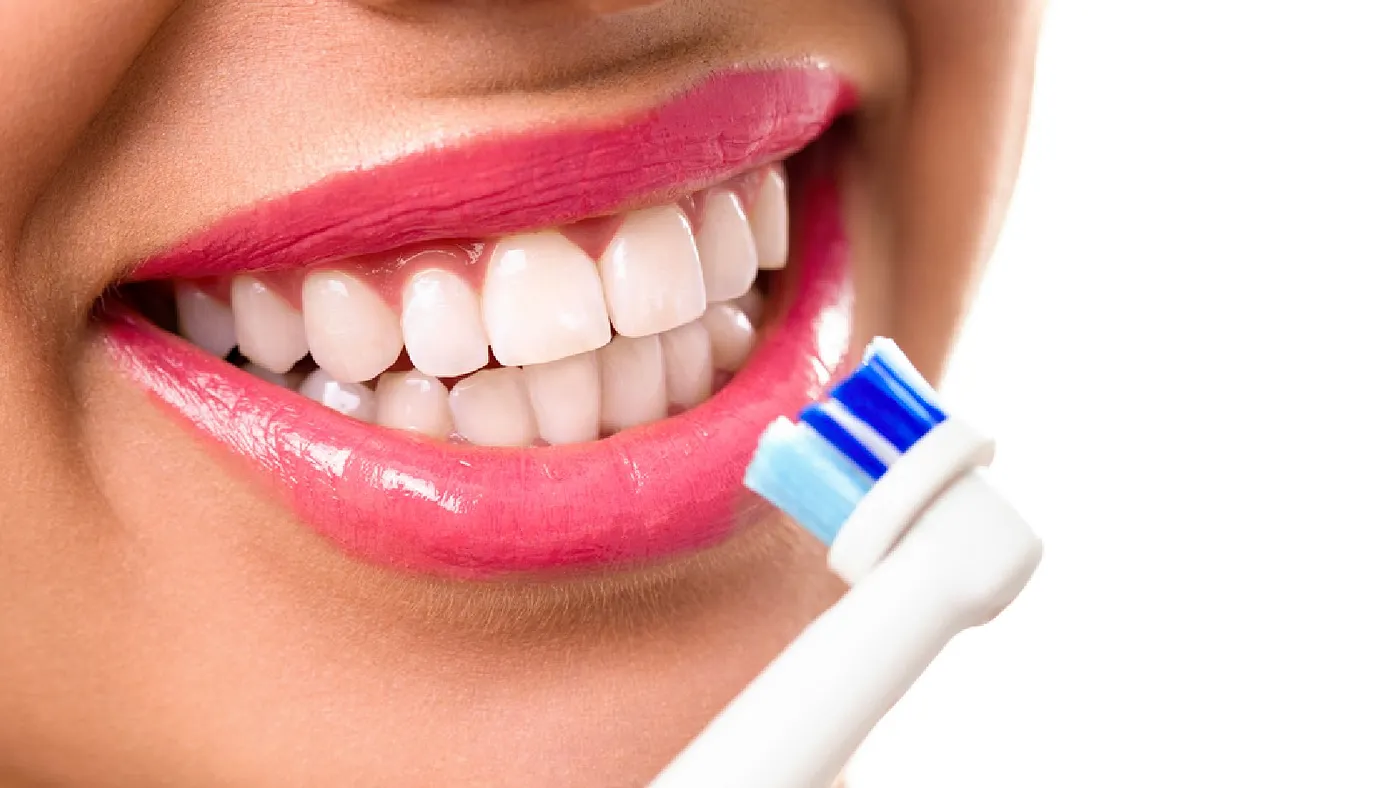
Teeth Cleaning is a simple and important part of maintaining good oral health. Even with regular brushing and flossing, plaque can remain in difficult-to-reach areas and eventually develop into tartar. Professional dental care in Dubai can help remove these deposits while giving patients an opportunity to have their teeth and gums checked.
For patients who want reliable dental care and guidance, Enfield Dental Clinic Dubai can help support regular oral hygiene and preventive dental needs. A professional appointment can address plaque and tartar buildup while providing useful advice about maintaining your smile between visits.
What Is Teeth Cleaning?
Teeth cleaning is a professional dental procedure that focuses on removing plaque, tartar, and certain surface stains from the teeth. Plaque is a soft film that forms naturally on the teeth and contains bacteria. When it is not removed properly, it can harden into tartar.
Tartar is more difficult to remove than ordinary plaque and usually requires professional dental instruments. During a cleaning appointment, a dental professional carefully removes these deposits from the teeth and areas around the gumline.
Professional cleaning works alongside your home oral hygiene routine. It does not replace brushing or flossing but provides additional care that helps maintain a cleaner mouth.
Why Do Patients Need Professional Cleaning?
Daily brushing is essential, but a toothbrush cannot always reach every surface of the teeth. Areas between teeth and around the gumline can be particularly difficult to clean.
When plaque remains in these areas, it can accumulate and eventually harden. Regular professional appointments help manage this buildup and support better oral hygiene.
Supporting Healthy Gums
Plaque and tartar around the gumline can irritate the gums. Maintaining cleaner tooth surfaces can help support healthy gum tissue and reduce the buildup that contributes to irritation.
If your gums frequently bleed, swell, or feel tender, discussing these symptoms with a dental professional is important.
Maintaining Cleaner Teeth
Professional cleaning can remove deposits and some external stains, leaving the teeth feeling smoother. This can also make it easier to maintain good oral hygiene at home.
What Happens During the Appointment?
A routine dental cleaning generally begins with an examination of the teeth and gums. Your dental professional may check for plaque, tartar, staining, gum irritation, and other visible concerns.
Once the assessment is complete, specialized instruments are used to remove hardened deposits. The dental professional works carefully around the gumline and other areas where tartar commonly develops.
After the deposits have been removed, the teeth may be polished. Polishing helps smooth the tooth surfaces and can remove some remaining surface stains.
Depending on your needs, your dentist may also discuss brushing and flossing techniques or recommend changes to your daily oral hygiene routine.
Does Teeth Cleaning Hurt?
For most patients, routine cleaning is relatively comfortable. However, some people may experience mild sensitivity or discomfort during the appointment.
Sensitivity can be more noticeable when there is significant tartar buildup, gum inflammation, or naturally sensitive teeth. Informing your dental professional about sensitivity before treatment can help them provide appropriate care.
Mild sensitivity after cleaning can sometimes occur as well. If discomfort is severe or continues for an unusual amount of time, contact your dentist for further advice.
How Long Does a Cleaning Take?
The length of an appointment can vary depending on the amount of plaque and tartar present and the condition of your teeth and gums.
A routine cleaning may be completed within a standard dental appointment, while patients with significant buildup or specific oral health concerns may need additional time.
Your dental professional can explain what to expect after examining your mouth.
Benefits of Regular Dental Cleaning
Regular professional cleaning can support several aspects of oral health. Removing accumulated tartar helps keep the tooth surfaces cleaner and makes daily oral hygiene easier.
Professional cleaning can also help manage surface staining caused by foods and beverages. Polishing may make the teeth appear brighter by removing some external discoloration.
Another benefit is fresher breath. Plaque, bacteria, and trapped food particles can contribute to unpleasant breath, so improving oral cleanliness may help reduce some sources of odor.
Most importantly, cleaning appointments provide an opportunity for dental professionals to monitor your oral health.
How to Care for Your Teeth After Cleaning
After your appointment, maintaining good oral hygiene is essential. Brush your teeth twice a day with fluoride toothpaste and clean between your teeth regularly.
Avoid brushing too aggressively. Gentle, thorough brushing is generally better than applying excessive pressure, which can irritate the gums.
If your teeth feel sensitive after cleaning, follow any recommendations provided by your dentist. Temporary sensitivity is often manageable, but persistent symptoms should be discussed with a professional.
Drinking water regularly and maintaining a balanced diet can also support your oral health.
How to Prevent Plaque Buildup
Plaque begins forming again after your teeth are cleaned, making daily care important. Brushing removes plaque from many tooth surfaces, while cleaning between the teeth helps reach areas that toothbrush bristles cannot clean effectively.
Limit frequent sugary snacks and drinks because repeated exposure to sugar can contribute to conditions that encourage tooth decay.
Cleaning your tongue can also help maintain better oral freshness. Regular dental examinations should remain part of your overall preventive care routine.
When Should You Schedule a Cleaning?
You do not necessarily need to wait until you experience dental discomfort before scheduling a cleaning. Professional appointments are designed to support preventive care as well as address existing buildup.
Visible tartar, persistent bad breath, bleeding gums, staining, or changes in gum health can all be reasons to schedule an assessment.
The ideal frequency of professional cleaning varies between patients. Your dentist can recommend a suitable schedule based on your oral health, dental history, and personal risk factors.
Final Thoughts
Regular Teeth Cleaning is an important part of maintaining healthy teeth, gums, and overall oral hygiene. Professional cleaning helps remove plaque, tartar, and certain surface stains while allowing dental professionals to monitor your oral health.
For the best results, combine professional dental care with daily brushing, cleaning between your teeth, healthy eating habits, and regular dental examinations. Consistent care can help you maintain a cleaner and healthier smile over time.

 Bangla