


Dental CBCT Scan: Benefits for Dental Care
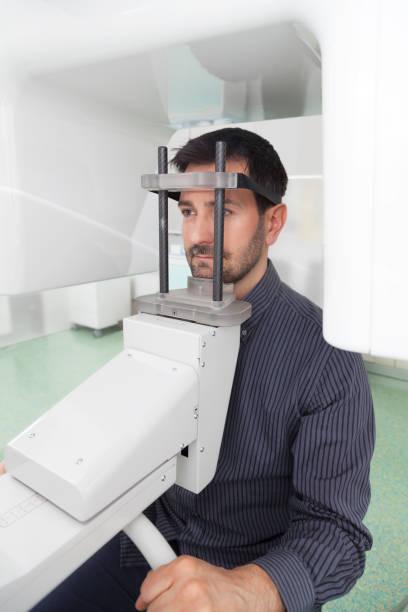
A Dental CBCT Scan in Dubai uses cone beam computed tomography to create detailed three-dimensional images of the teeth, jawbone, nerves, and surrounding oral structures. This advanced imaging technique gives dentists a more comprehensive view than many conventional dental X-rays, making it useful when additional information is needed for diagnosis or treatment planning.
A CBCT scan is not necessary for every dental visit. It is usually recommended when a dentist needs a clearer understanding of complex anatomy or a condition that cannot be fully assessed through a clinical examination and standard X-rays. By providing multiple views of the treatment area, CBCT imaging can support more informed dental decisions.
Better Understanding of Dental Anatomy
One of the major benefits of CBCT technology is its ability to show dental structures in three dimensions. Conventional X-rays can provide useful information, but they compress anatomical structures into a two-dimensional image. This can sometimes make it difficult to understand the exact position of teeth, roots, bone, or nearby anatomical structures.
With three-dimensional imaging, dentists can examine an area from different angles. This can be particularly helpful when assessing impacted teeth, unusual tooth positions, jawbone structures, or complicated root anatomy. A clearer view can contribute to a more complete diagnostic assessment.
Dental Clinic: Supporting Accurate Diagnosis
A Dental Clinic may use CBCT imaging when detailed information is required to investigate a dental problem. For example, a patient experiencing persistent discomfort may need advanced imaging when conventional X-rays do not fully explain the cause. A CBCT scan can provide additional information about the teeth, roots, bone, and surrounding structures.
This technology may also be helpful in evaluating infections, bone abnormalities, impacted wisdom teeth, and other complex dental conditions. However, the scan should be recommended based on clinical need. Dentists consider the patient's symptoms, examination findings, and existing X-rays before deciding whether advanced imaging is appropriate.
Benefits for Dental Implant Planning
Dental implants require careful planning because the implant must be positioned within suitable bone while avoiding important anatomical structures. A CBCT scan can provide detailed information about bone height, width, and volume at the proposed implant site.
The three-dimensional images can also help dentists assess the position of nearby nerves and other structures. This information may contribute to a more predictable treatment plan and help the dental team determine whether additional procedures, such as bone augmentation, may need to be considered.
By evaluating the treatment area before implant placement, dentists can better understand the patient's individual anatomy and plan the procedure accordingly.
Helpful for Complex Root Canal Cases
CBCT imaging can also support selected root canal cases, especially when the tooth has complicated anatomy. Some teeth have curved, narrow, or unusually positioned canals that may be difficult to evaluate using standard dental X-rays.
A three-dimensional scan may help identify additional canals, changes around the root, or other features that could affect treatment. It can also be useful when a patient continues to experience symptoms after previous root canal treatment and further investigation is required.
CBCT should not replace a clinical examination, but it can provide valuable supplementary information when conventional imaging is insufficient.
Supporting Oral Surgery
Before certain oral surgical procedures, detailed knowledge of the surrounding anatomy can be important. CBCT imaging may help dentists evaluate impacted teeth, jawbone structures, and the location of nerves or other anatomical landmarks.
For example, when an impacted wisdom tooth is positioned close to an important nerve, three-dimensional imaging can help the dentist understand the relationship between the tooth and surrounding structures. This information can assist with treatment planning and surgical decision-making.
More Precise Treatment Planning
Another important advantage of CBCT imaging is its ability to support personalized treatment planning. Every patient's dental anatomy is different, and detailed images can give the dental team a better understanding of the specific area being treated.
Whether the patient is considering dental implants, orthodontic treatment, oral surgery, or evaluation of a complicated dental condition, three-dimensional information can help the dentist assess the situation more comprehensively. This may also make it easier to explain the proposed procedure to the patient.
Is CBCT Imaging Safe?
Like other X-ray-based imaging techniques, CBCT involves exposure to radiation. For this reason, it should be used when the expected diagnostic benefit justifies the exposure. Dental professionals generally select imaging based on the patient's individual needs and the area that requires examination.
Patients should tell their dentist about previous imaging and any relevant circumstances before undergoing a scan. The dental professional can then determine whether CBCT or another imaging method is more appropriate.
Why Can CBCT Be Valuable for Dental Care?
Dental CBCT imaging can provide detailed information that may not be visible through a routine examination or conventional X-rays. Its ability to display teeth, roots, jawbone, nerves, and surrounding structures in three dimensions makes it particularly valuable for selected diagnostic and treatment-planning situations.
When clinically appropriate, a Dental CBCT Scan can help dentists understand complex dental anatomy, evaluate specific conditions, plan procedures, and make more informed treatment decisions. The most suitable imaging method will always depend on the patient's individual dental needs and the professional assessment of the treating dentist.

 Bangla