

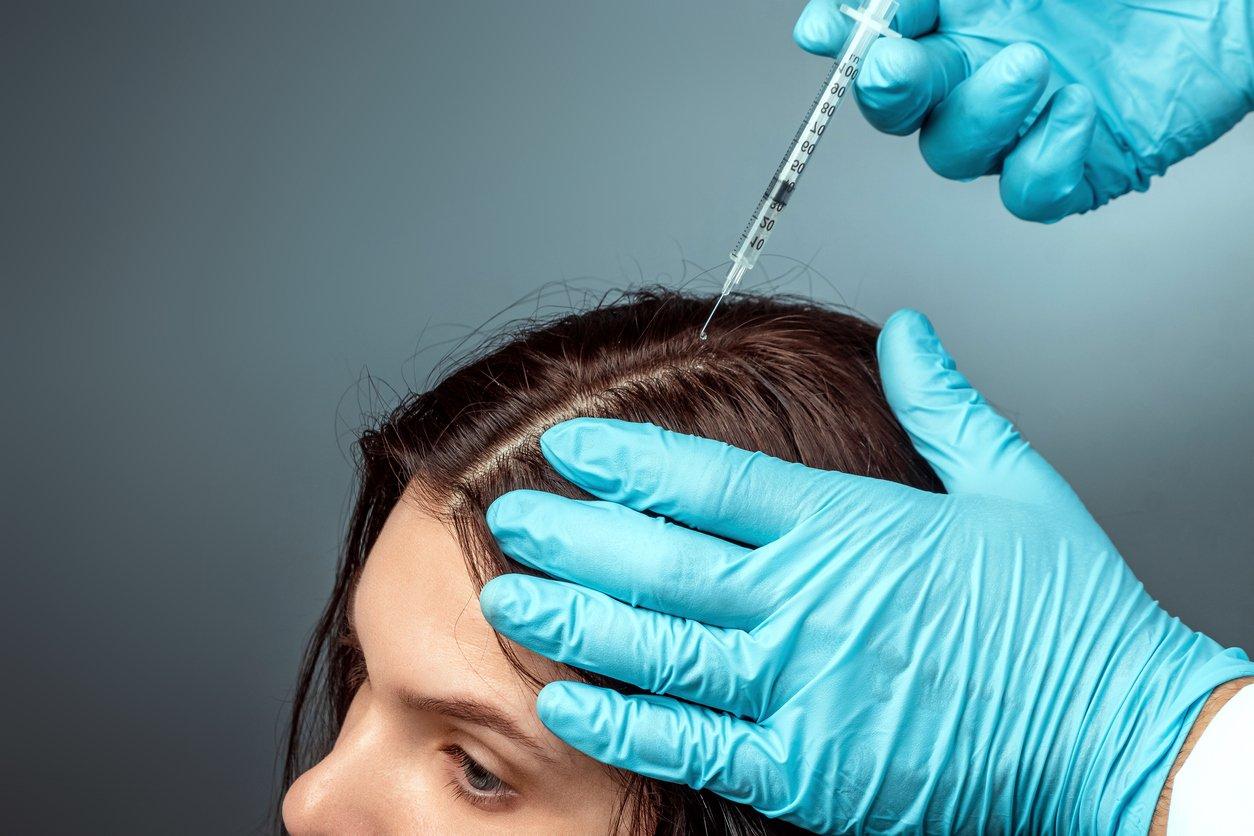

PRP hair treatment in Dubai can be part of a longer-term strategy for patients who want to maintain existing hair quality after an initial treatment response. Rather than treating PRP as a one-time procedure, maintenance planning focuses on how the scalp and follicles change over time and whether continued treatment remains clinically appropriate.
Hair maintenance is particularly relevant when the underlying tendency toward thinning has not disappeared. Supporting existing follicles may be useful, but the timing and need for additional sessions should be individualized.
What Hair Growth Maintenance Actually Means
Hair growth maintenance is not simply a schedule of repeated injections.
The objective is to preserve or monitor an existing level of hair quality, density, or follicular activity while identifying signs of renewed thinning.
This can involve several components:
- Monitoring hair caliber
- Tracking scalp visibility
- Comparing standardized photographs
- Reviewing changes in shedding
- Assessing the underlying cause of hair loss
- Deciding whether further PRP remains appropriate
A maintenance strategy should therefore respond to the patient's condition rather than follow an automatic calendar.
Why Hair Loss Can Continue After Improvement
An initial improvement does not necessarily mean that the underlying cause of hair loss has been eliminated.
Genetic pattern hair loss, for example, can continue to influence susceptible follicles over time. Hormonal changes, aging, medical factors, and lifestyle changes may also alter the condition of the scalp.
This is why maintenance requires reassessment.
If the hair remains stable, additional intervention may not be necessary at the same frequency. If progressive miniaturization becomes visible again, the treatment plan may need to be reviewed.
How PRP Fits Into Long-Term Hair Management
PRP uses a patient's own blood-derived plasma as part of a follicle-supportive treatment approach.
A small blood sample is collected and processed to concentrate platelets before the preparation is introduced into selected areas of the scalp.
The goal is not to permanently cure every type of hair loss.
Instead, PRP may be incorporated into a broader management plan for suitable patients whose follicles remain active but have experienced thinning or reduced hair quality.
This makes follow-up particularly important because the treatment objective is ongoing follicular support rather than immediate structural replacement.
Maintenance Is Different From the Initial Treatment Course
The first stage of treatment and long-term maintenance serve different purposes.
An initial course may be designed to address an existing period of thinning and establish how the patient responds. Later sessions, when appropriate, may focus on maintaining that response or addressing renewed changes.
| Treatment Stage | Main Objective | Key Consideration |
|---|---|---|
| Initial assessment | Identify cause and follicular status | Establish baseline |
| Initial treatment | Support selected affected areas | Evaluate biological response |
| Follow-up | Measure changes | Compare with baseline |
| Maintenance planning | Preserve or reassess progress | Avoid unnecessary treatment |
| Long-term review | Monitor underlying hair-loss pattern | Modify strategy when needed |
This distinction helps prevent maintenance from becoming a routine procedure without a clear clinical purpose.
When Maintenance May Be Considered
Maintenance can be discussed when a patient has previously responded appropriately and continues to have viable follicles that may benefit from further support.
Possible reasons for reassessment include:
- Gradual return of scalp visibility
- Renewed hair shedding
- Increasing hair caliber variation
- Early signs of miniaturization
- Changes in a previously improved region
- A desire to preserve an established treatment response
These observations should be interpreted in context.
A temporary period of increased shedding does not automatically mean another PRP session is required.
How Results Should Be Monitored
Maintenance decisions become more reliable when progress is documented consistently.
A patient may remember how their hair looked several months earlier, but memory is not an accurate measurement tool.
Standardized photographs can provide a more useful comparison.
Ideally, images should use similar:
- Lighting
- Camera angle
- Hair position
- Hair length
- Scalp exposure
- Distance from the camera
The same areas can then be reviewed at different stages of treatment.
Hair Caliber Can Be an Early Warning Sign
A decline in hair caliber may occur before obvious density loss.
A patient might still have substantial hair coverage but notice that individual strands feel finer or styling has become less effective.
This can be an important observation in long-term management.
A change in caliber may indicate that follicles are becoming progressively miniaturized, particularly when it occurs within a recognizable pattern.
Monitoring hair thickness alongside overall density can therefore provide a more complete picture of ongoing follicular health.
PRP Maintenance and the Hair Growth Cycle
Hair follicles do not all grow simultaneously.
Individual follicles move through different phases, which means visible changes occur gradually and unevenly.
This biological cycle is one reason maintenance cannot be judged immediately after a procedure.
The clinician may need to observe changes over several months before deciding whether the treatment has produced a meaningful response.
A maintenance strategy should respect this timeline rather than treating short-term visual changes as definitive evidence of success or failure.
How Often Is PRP Maintenance Needed
There is no universal maintenance schedule that applies to every patient.
Some individuals may be advised to return periodically based on their clinical response, while others may require less frequent reassessment.
The appropriate interval can depend on:
- Severity of the original thinning
- Underlying diagnosis
- Previous response
- Degree of follicular miniaturization
- Treatment objectives
- Long-term progression
A fixed interval should not replace clinical judgment.
The decision to repeat treatment should be based on whether there is a reasonable reason to do so.
Avoiding Unnecessary Maintenance Sessions
More treatment does not automatically mean better hair.
Repeated PRP sessions without evaluating the patient's response may add procedures without addressing the underlying issue.
A sensible maintenance plan asks:
- Did the patient respond to the previous treatment?
- Are the follicles still suitable for support?
- Has thinning remained stable?
- Is there evidence of renewed miniaturization?
- Is another treatment more appropriate at this stage?
If the answers change, the treatment strategy should change as well.
When Maintenance May Need a Different Approach
Long-term hair management sometimes reveals that PRP alone is not sufficient.
If progressive thinning continues despite treatment, the underlying diagnosis should be reassessed.
Depending on the situation, a clinician may discuss other approaches such as medication, low-level laser therapy, microneedling, mesotherapy, or hair transplantation.
These treatments have different roles.
A patient with continuing miniaturization may need a strategy aimed at the underlying biological process rather than simply repeating the same procedure.
PRP After Hair Transplantation
Maintenance planning can also be relevant after hair transplantation.
A transplant moves follicles from a donor region to a recipient area, but the patient's native hair can remain susceptible to ongoing thinning.
PRP may sometimes be incorporated into a broader post-transplant hair-management strategy for selected patients.
The purpose is not to replace transplanted follicles or guarantee permanent protection of every native hair.
Instead, treatment planning may focus on supporting the overall scalp environment and monitoring native hair that remains vulnerable to progressive loss.
Dubai Considerations for Long-Term Maintenance
Patients in Dubai may have practical lifestyle factors that affect how they organize ongoing treatment.
Outdoor heat, strong sunlight, frequent air conditioning, exercise, business travel, and busy professional schedules can all influence appointment planning and scalp-care routines.
These factors should not be confused with the biological causes of hair loss.
However, maintenance works best when it is realistic enough to fit the patient's lifestyle. A plan that is difficult to follow consistently is unlikely to be useful over the long term.
Maintenance and Lifestyle Habits
Clinical treatment is only one part of maintaining healthy-looking hair.
Depending on the individual situation, broader care may include attention to:
- Adequate nutrition
- Sleep quality
- Stress management
- Gentle hair-care practices
- Avoidance of unnecessary scalp trauma
- Management of relevant medical conditions
- Appropriate protection from environmental exposure
These measures do not replace medical treatment for genetic or clinically significant hair loss.
They can, however, support a broader approach to maintaining scalp and hair health.
How Long-Term Progress Can Be Evaluated
A useful maintenance review should compare current findings with the original baseline.
| Assessment Area | Long-Term Question |
|---|---|
| Hair density | Has overall coverage remained stable? |
| Hair caliber | Are strands becoming finer again? |
| Scalp visibility | Are previously improved areas becoming more visible? |
| Shedding | Has the shedding pattern changed? |
| Hairline | Is recession progressing? |
| Crown | Is thinning becoming more apparent? |
| Overall pattern | Is the original diagnosis still consistent? |
This type of comparison can help determine whether the existing strategy remains suitable.
What Maintenance Cannot Guarantee
No maintenance treatment can guarantee permanent protection against every form of hair loss.
Genetic predisposition, hormonal changes, aging, and other biological factors can continue to affect follicles.
PRP should therefore be viewed as one possible component of ongoing management rather than a permanent cure.
This distinction is important when setting expectations. A realistic plan accepts that treatment may need to evolve as the patient's hair changes.
Recognizing When the Strategy Should Change
One of the most important aspects of long-term maintenance is knowing when to stop repeating the same approach.
A strategy may need reassessment if:
- Hair loss becomes noticeably faster
- New areas begin thinning
- Hair caliber continues to decline
- Scalp visibility increases despite treatment
- The original diagnosis becomes uncertain
- The patient no longer sees meaningful benefit
At that point, repeating PRP automatically may not be the best decision.
A fresh assessment can determine whether another modality should be introduced or whether the treatment objective needs to change.
Building a Personalized Maintenance Plan
A practical long-term plan should establish a baseline and define what will be monitored.
The process can include:
- Document the initial scalp condition.
- Identify the underlying pattern of hair loss.
- Complete the appropriate initial treatment strategy.
- Assess the response after sufficient time.
- Compare standardized photographs and clinical findings.
- Identify any renewed thinning or miniaturization.
- Decide whether additional PRP is justified.
- Reassess the plan periodically rather than automatically repeating it.
This approach keeps treatment focused on measurable changes.
Why Long-Term Planning Matters
Hair restoration is rarely successful when it is treated as a single event.
The follicles responsible for today's hair are the same follicles that may be affected by future genetic, hormonal, or age-related changes.
Long-term planning helps patients recognize those changes early and make informed decisions before substantial follicular loss occurs.
For patients exploring professional hair restoration care in Dubai, the goal should be a strategy that can adapt as the condition of the scalp changes.
The Strategic Investment
For appropriately selected patients, PRP hair treatment in Dubai can form part of a long-term approach to maintaining existing hair quality and monitoring follicular changes. Effective maintenance is not about automatically repeating injections; it is about assessing the response, identifying renewed thinning, and adjusting treatment when the biology or clinical objective changes.
A personalized consultation at Tajmeels Clinic can help determine whether continued PRP is appropriate and how it may fit into a broader, individualized hair-restoration plan.
