

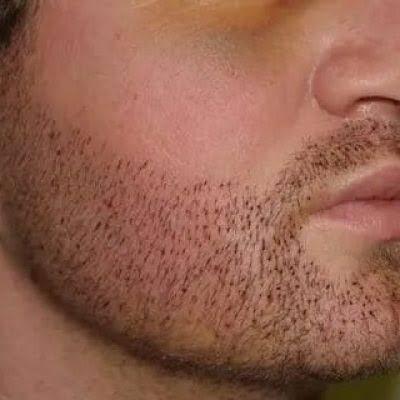

A mustache can play an important role in defining the appearance and character of the face. However, some men experience naturally thin mustache hair, uneven growth, or areas where hair is missing completely. People searching for زراعة شعر الشارب في دبي often want to know whether a mustache hair transplant can improve density and create a more balanced appearance. The procedure involves transferring healthy hair follicles to areas where mustache growth is limited, with the goal of achieving natural-looking coverage and improved fullness.
How Does a Mustache Hair Transplant Improve Density?
A mustache hair transplant can increase density by placing healthy hair follicles into areas where natural growth is sparse.
Adding Hair to Thin Areas
Follicular grafts can be positioned in areas where the mustache appears thin or uneven.
Filling Empty Sections
Small gaps within the mustache can be addressed by placing follicles strategically.
Creating More Consistent Coverage
Careful placement can help produce a more uniform appearance across the mustache.
Improving Facial Balance
A fuller mustache may complement the proportions of the upper lip and surrounding facial features.
Who May Consider a Mustache Hair Transplant?
The procedure may be considered by men experiencing different types of mustache thinning.
Naturally Sparse Growth
Some men naturally have less dense facial hair because of genetics.
Uneven Mustache Growth
Hair may grow more densely on one side than the other.
Hair Loss
Previous injury, scarring, or other factors can result in areas with reduced hair growth.
Limited Results From Natural Growth
Some individuals may seek a transplant when natural hair growth does not provide the desired density.
Can a Mustache Transplant Create Natural-Looking Density?
Natural appearance is an important goal of mustache transplantation.
Following the Natural Hair Direction
Hair follicles need to be positioned according to the natural direction of mustache growth.
Careful Graft Placement
Spacing and positioning can influence how natural the final result appears.
Matching Existing Hair
The transplanted follicles should complement the texture and characteristics of the existing mustache.
Creating Appropriate Density
The goal is not necessarily maximum density but a balanced appearance that suits the individual's facial features.
Can a Mustache Hair Transplant Fill Gaps?
Yes, one of the purposes of facial hair transplantation is to address visible gaps.
Small Gaps
Individual follicles can be placed in areas with limited growth.
Larger Empty Areas
More grafts may be required when a significant section lacks hair.
Uneven Sides
Treatment can help create greater visual balance between the two sides.
Defined Mustache Shape
Strategic placement can also help improve the appearance of the overall mustache outline.
Can a Mustache Transplant Make Thin Hair Look Fuller?
A transplant can add additional follicles to areas where existing hair is insufficient.
Increasing Coverage
Additional follicles can make sparse areas appear fuller.
Supporting Better Definition
Greater coverage can make the mustache outline more noticeable.
Blending With Existing Hair
Transplanted follicles can be positioned between existing hairs to create a more consistent appearance.
Individual Results
The final density depends on factors such as donor hair availability, graft placement, healing, and natural hair characteristics.
Where Do the Hair Follicles Come From?
Mustache transplantation generally uses hair follicles from another area of the individual's body, most commonly a suitable donor area on the scalp.
Healthy Donor Follicles
The donor area should contain sufficient healthy hair for transplantation.
Matching Hair Characteristics
The characteristics of the donor hair should be considered when planning facial hair restoration.
Individual Assessment
Not everyone has the same donor supply, so the number of available grafts varies.
Strategic Use of Grafts
Using donor follicles efficiently can help achieve the desired coverage without unnecessary harvesting.
Can the Transplanted Hair Grow Permanently?
Transplanted follicles are intended to provide long-term hair growth.
Follicle Survival
The success of transplantation depends partly on how well the follicles survive and establish themselves in their new location.
Natural Growth Cycle
After transplantation, the follicles go through their normal growth cycle.
Gradual Development
New growth does not appear immediately and generally develops over time.
Long-Term Maintenance
Once established, transplanted hair can generally be trimmed and groomed like natural mustache hair.
How Long Does It Take to See Mustache Transplant Results?
Results develop gradually rather than immediately.
Initial Healing
The treated area needs time to recover after the procedure.
Temporary Shedding
Some transplanted hairs may shed during the early stage of recovery.
New Growth
New hair growth gradually becomes more noticeable as the follicles enter their growth cycle.
Increasing Density
The appearance of fullness can continue to improve as the transplanted hairs mature.
Can a Mustache Transplant Improve Facial Appearance?
A fuller mustache may influence overall facial aesthetics.
Better Facial Definition
Facial hair can contribute to the visual structure of the lower face.
Improved Symmetry
Filling uneven areas may create a more balanced appearance.
More Defined Mustache Shape
Additional hair can help create a clearer mustache outline.
Greater Confidence
Some men may feel more comfortable with their appearance after addressing sparse facial hair.
Is Mustache Hair Transplant Suitable for Scarred Areas?
A transplant may sometimes be considered for areas affected by scars.
Previous Injuries
Facial injuries can sometimes damage hair follicles.
Surgical Scars
Certain scars may result in permanent hair loss in the mustache area.
Filling Scarred Areas
Transplanted follicles may be used to improve hair coverage over selected scars.
Individual Evaluation
Scar tissue can behave differently from normal skin, so professional assessment is important.
What Factors Affect Mustache Density After Transplantation?
Several factors can influence the final appearance.
Number of Grafts
The number of transplanted follicles affects potential coverage.
Donor Hair Quality
The quality and characteristics of the donor follicles are important.
Graft Placement
The angle, direction, and spacing of follicles can influence the final result.
Healing
Proper healing supports successful follicle establishment.
Individual Hair Growth
Every person responds differently to transplantation.
Can Men With Very Sparse Facial Hair Have a Mustache Transplant?
Men with very limited natural mustache growth may still be candidates depending on their donor supply and goals.
Limited Existing Hair
A transplant may add follicles where natural growth is minimal.
Donor Availability
Adequate donor follicles are important for achieving meaningful coverage.
Realistic Expectations
The desired density should be discussed before treatment.
Customized Planning
A personalized plan can determine how many grafts may be appropriate.
Is Mustache Hair Transplant Suitable for Everyone?
Not everyone is automatically a suitable candidate.
Medical History
Relevant medical conditions and medications should be discussed before treatment.
Donor Hair Availability
Insufficient donor hair can limit the potential outcome.
Skin Conditions
Active skin problems in the treatment area may require assessment before transplantation.
Realistic Goals
Patients should understand that results depend on individual biological factors.
How Is a Mustache Transplant Planned?
Careful planning is important because the mustache is a highly visible facial feature.
Assessing Facial Proportions
The planned mustache should complement the individual's facial structure.
Designing the Hairline
The shape and boundaries of the mustache should be discussed.
Determining Graft Numbers
The provider can estimate the number of follicles required to improve density.
Planning Hair Direction
Transplanted follicles should follow the natural growth pattern of facial hair.
Discussing Expectations
Patients should understand the expected timeline and potential limitations.
What Should You Know Before Treatment?
A consultation can help determine whether mustache transplantation is appropriate.
Discuss Your Goals
Explain whether you want more density, better symmetry, or coverage of specific gaps.
Review Your Medical History
Previous procedures, medications, and medical conditions should be disclosed.
Assess Donor Hair
The donor area should be examined to determine whether enough suitable follicles are available.
Understand Recovery
Knowing what to expect during healing can help with preparation.
Discuss Results
The expected level of density and growth timeline should be explained before treatment.
Checkpoint: Can Mustache Transplant Improve Density?
A mustache hair transplant may help improve density when:
-
Natural mustache growth is sparse
-
There are visible gaps
-
Growth is uneven
-
Previous injury caused hair loss
-
Scarring has affected facial hair
-
Additional fullness is desired
-
Suitable donor follicles are available
The final result depends on individual factors and careful treatment planning.
Personalized Mustache Hair Transplant Planning
Every mustache has a different natural pattern, so transplantation should be customized rather than approached with a standard design. The provider may assess facial proportions, existing mustache density, donor hair characteristics, skin condition, and the desired level of fullness.
The direction and angle of transplanted follicles are particularly important because facial hair grows differently from scalp hair. Strategic placement can help the transplanted hairs blend with existing growth and create a more natural-looking result.
How Can You Support the Result After Treatment?
Following professional aftercare instructions can help support recovery.
Follow Aftercare Instructions
Use the recommended care routine during the healing period.
Avoid Unnecessary Touching
Excessive touching or scratching can irritate the treated area.
Protect the Treatment Area
Follow professional guidance regarding washing, physical activity, and exposure during recovery.
Attend Follow-Up Appointments
Follow-up can help monitor healing and hair growth.
Conclusion
A mustache hair transplant can enhance mustache density by adding healthy hair follicles to areas where natural growth is sparse, uneven, or absent. It may be useful for men who want to fill visible gaps, improve symmetry, increase fullness, or restore hair in areas affected by injury or scarring. The final appearance depends on several factors, including donor hair availability, graft quality, follicle placement, natural hair characteristics, healing, and individual growth response. Because the mustache is a highly visible facial feature, careful attention to hair direction, angle, spacing, and overall facial proportions is essential.
