


Iran Medical Universities: Courses, Admission, Quality and Career Opportunities
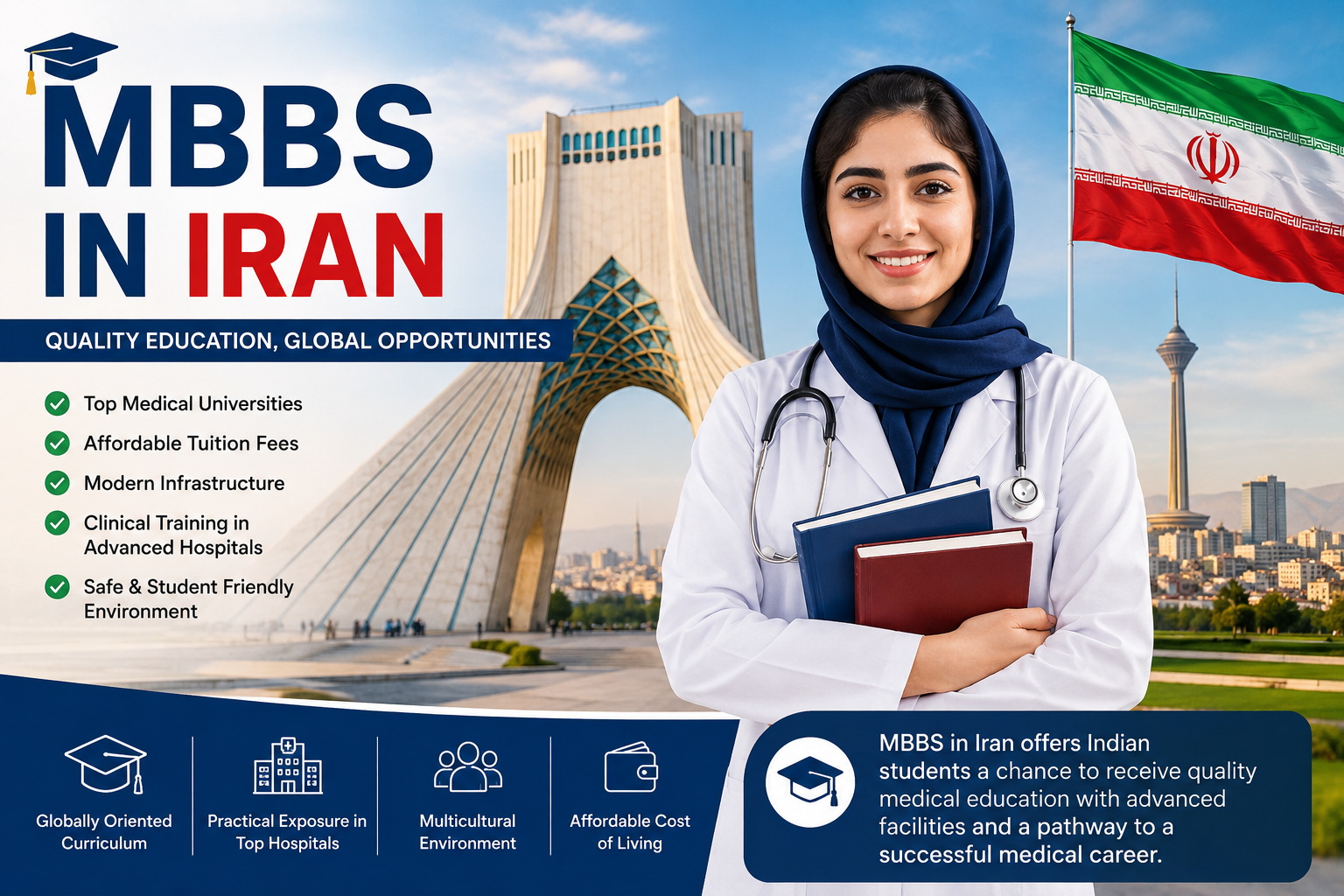
Choosing the right medical university is an important step for students planning a career in healthcare. Iran Medical Universities offer programs in medicine and other health-related fields, with an academic structure that combines classroom learning, scientific study, and clinical training. Students interested in studying medicine abroad can explore different institutions based on their academic goals, budget, course requirements, and future career plans.
Understanding Medical Education in Iran
Iran has a developed higher education system with universities offering programs across medicine, dentistry, pharmacy, nursing, and other health sciences. Medical education generally combines basic medical sciences with clinical subjects and practical training.
Students can expect to study subjects such as anatomy, physiology, biochemistry, microbiology, pathology, pharmacology, and clinical medicine as they progress through their program.
Why Study Medicine in Iran?
There are several factors that may make Study Medicine in Iran an option for international students. Universities provide opportunities to gain theoretical knowledge while progressing toward practical and clinical learning.
Students can also experience a different healthcare system and multicultural environment. Those interested in research may find opportunities to explore medical sciences, laboratory work, and healthcare-related research.
Choosing the Right Medical University
Not every university will be equally suitable for every student. When comparing institutions, students should look at several factors rather than relying only on general reputation.
Important points include:
-
University recognition and accreditation
-
Medical curriculum
-
Faculty and teaching quality
-
Clinical training facilities
-
Research opportunities
-
Language of instruction
-
Tuition fees
-
Admission requirements
-
Location and accommodation
-
Future licensing requirements
Checking these factors before applying can help students make a more informed choice.
Popular Medical Institutions in Iran
Iran has several established institutions involved in medical education. Examples include Tehran University of Medical Sciences, Iran University of Medical Sciences, Shahid Beheshti University of Medical Sciences, Shiraz University of Medical Sciences, and Mashhad University of Medical Sciences.
Students should research each institution individually because programs, admission criteria, tuition structures, language requirements, and international student policies can differ.
Academic and Clinical Training
A medical degree requires both academic understanding and practical experience. Medical students generally move from foundational sciences to clinical subjects as they progress through their studies.
Clinical training allows students to understand how medical concepts are applied in healthcare settings. Exposure to hospitals, laboratories, and clinical environments can help students develop professional knowledge and practical skills.
Admission Requirements
Admission requirements depend on the university and the student's educational background. International applicants may need to provide academic certificates, identification documents, proof of language proficiency where applicable, and other documents requested by the institution.
Students should always check the latest requirements directly with their chosen university before submitting an application.
MBBS Options for Indian Students
Students researching MBBS in Iran for Indian Students should pay particular attention to eligibility, admission rules, university recognition, and professional licensing requirements.
Indian students should also verify the applicable requirements for studying medicine abroad and understand the conditions that may apply if they plan to return to India for further training or medical practice.
Quality of Medical Education
The quality of a medical university should be assessed through multiple factors, including faculty expertise, curriculum, research activity, clinical exposure, facilities, and institutional recognition.
International rankings can provide additional context, but they should not be the only deciding factor. A university's subject-specific performance, medical facilities, clinical training, and suitability for the student's career plans are equally important.
Student Life and Living Environment
International students also need to consider life outside the classroom. Accommodation, food, transportation, healthcare, communication, and cultural adjustment can all influence the overall study experience.
Students who take time to understand local culture and connect with classmates can generally make their international education experience more comfortable and rewarding.
Career Opportunities After Medical Graduation
A medical degree can lead to several career pathways, depending on the student's qualification and professional licensing. Graduates may consider clinical practice, research, public health, healthcare administration, pharmaceutical industries, or further specialization.
Students who intend to practice medicine in another country should investigate that country's recognition and licensing process before choosing a university.
What Should Students Check Before Applying?
Before selecting one of the Iran Medical Universities, students should create a checklist covering:
-
Eligibility criteria
-
University recognition
-
Course duration
-
Curriculum
-
Tuition and living costs
-
Language requirements
-
Clinical training
-
Admission deadlines
-
Visa requirements
-
Future licensing and career options
Taking these factors into account can help students select an institution that aligns with their academic and professional objectives.
Final Thoughts
Iran Medical Universities offer students opportunities to explore medical education through academic study, research, and clinical learning. The right institution depends on individual goals, eligibility, budget, and future career plans. Students planning to Study Medicine in Iran should carefully compare university recognition, course structure, clinical facilities, costs, and licensing requirements before making their final choice.

 Bangla